Sleep Rewilding Guide

We explore how to incorporate ancestral health principles into our sleep routine to achieve maximum benefits from our sleep cycles. We look into all the ways ancestral cultures used grounding, metabolism, light, temperature, sun exposure and circadian rhythm synchronization to enjoy a kind of sleep we have been dreaming of.

Best Non-Toxic Sleeping Bag: What to Look For (and What to Avoid)

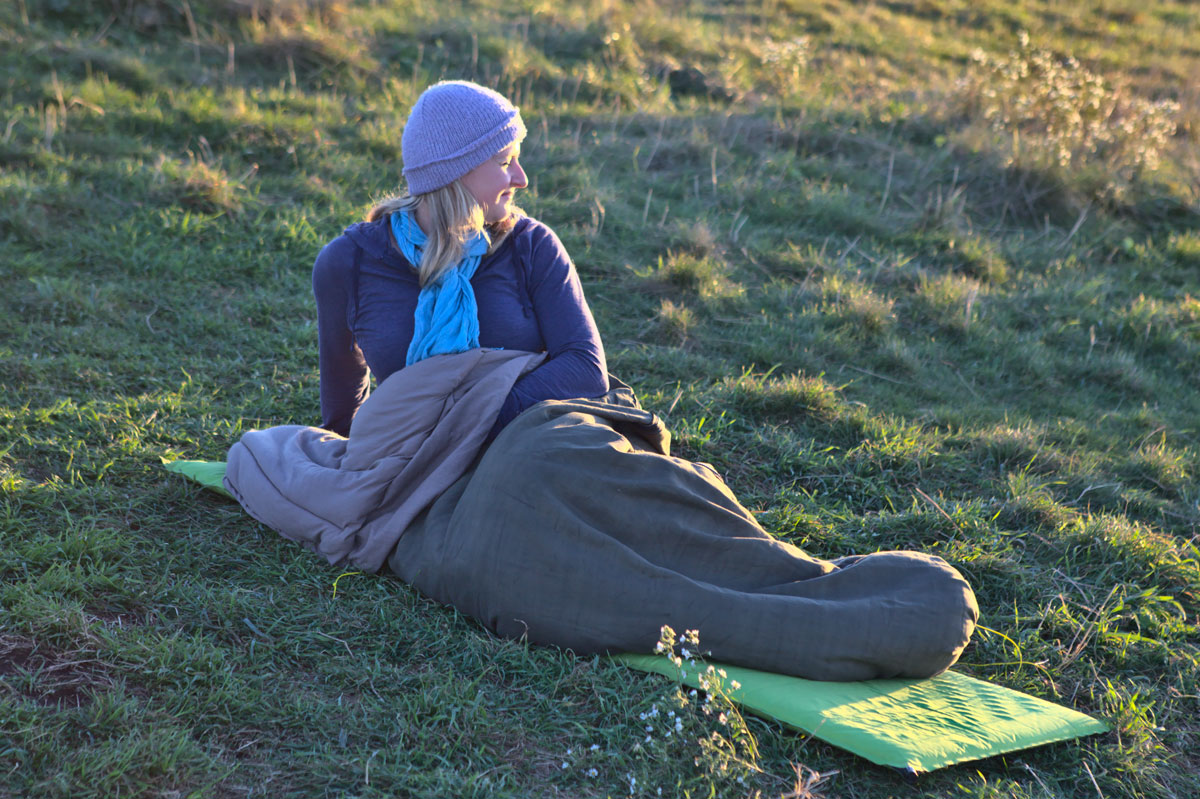
The best non toxic sleeping bag is the one whose materials you can name, all the way down. Most bags are a polyester shell with a fluorinated water-repellent finish, a polyurethane coating or laminate, polyester or down fill, and sometimes a flame-retardant treatment, and none of that appears on the hang tag. This is a

Best Non-Toxic Sleeping Bag: What to Look For (and What to Avoid) Read More »

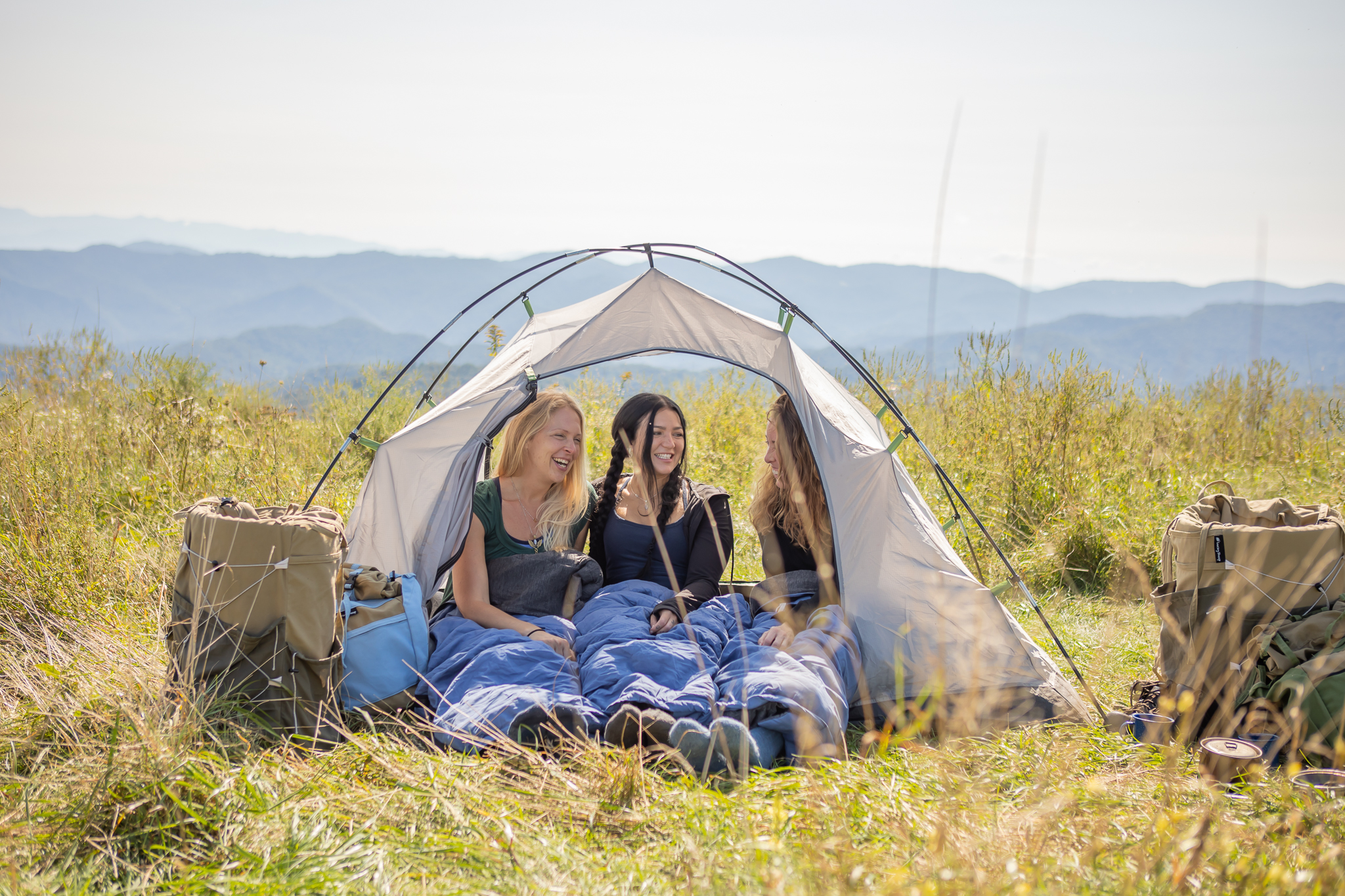
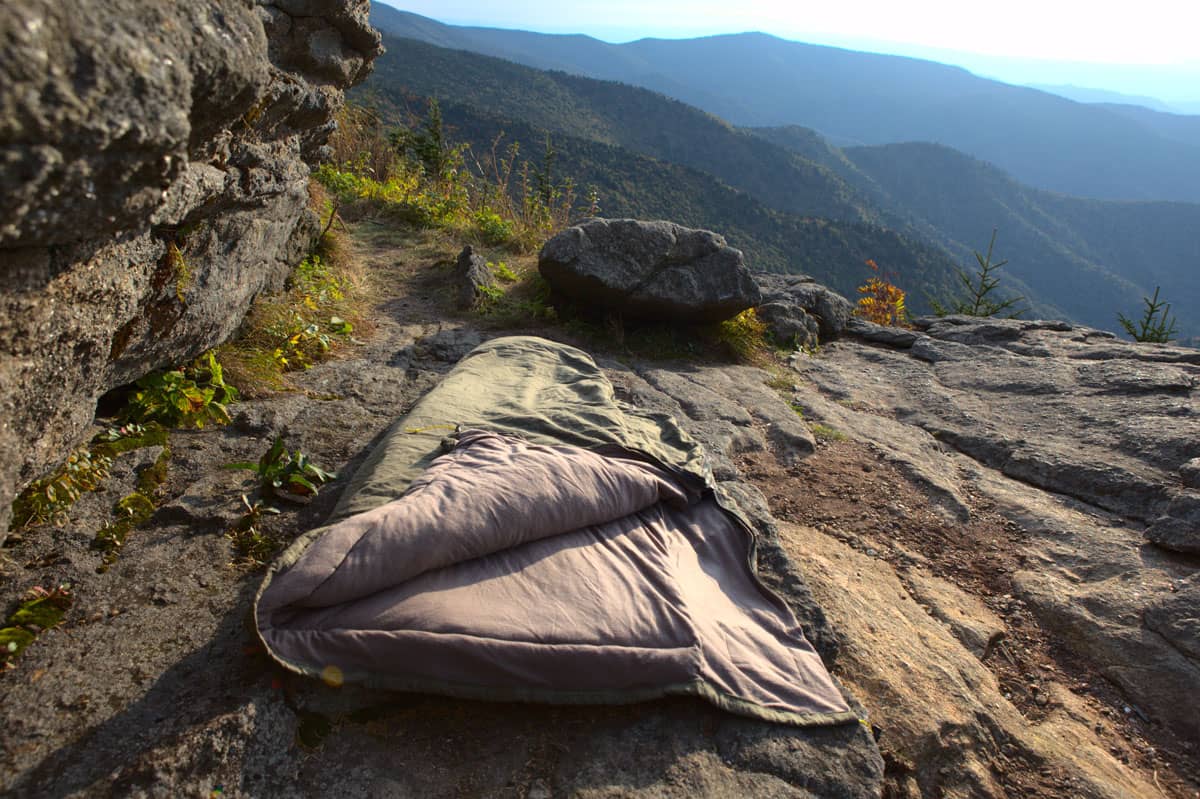
wool sleeping bag on mountain

Synthetic vs Natural Fabric Next to Skin: Static, Moisture and Sleep

Pull a fleece over your head in a dry tent and you’ll hear it crackle. Sleep in polyester and you wake up clammy and shocked by the zipper. Sleep in wool and neither happens. Readers find this article by asking whether wool conducts electricity, whether synthetic fabrics cause static, and which fabric to sleep in.

Synthetic vs Natural Fabric Next to Skin: Static, Moisture and Sleep Read More »

Shopping Cart