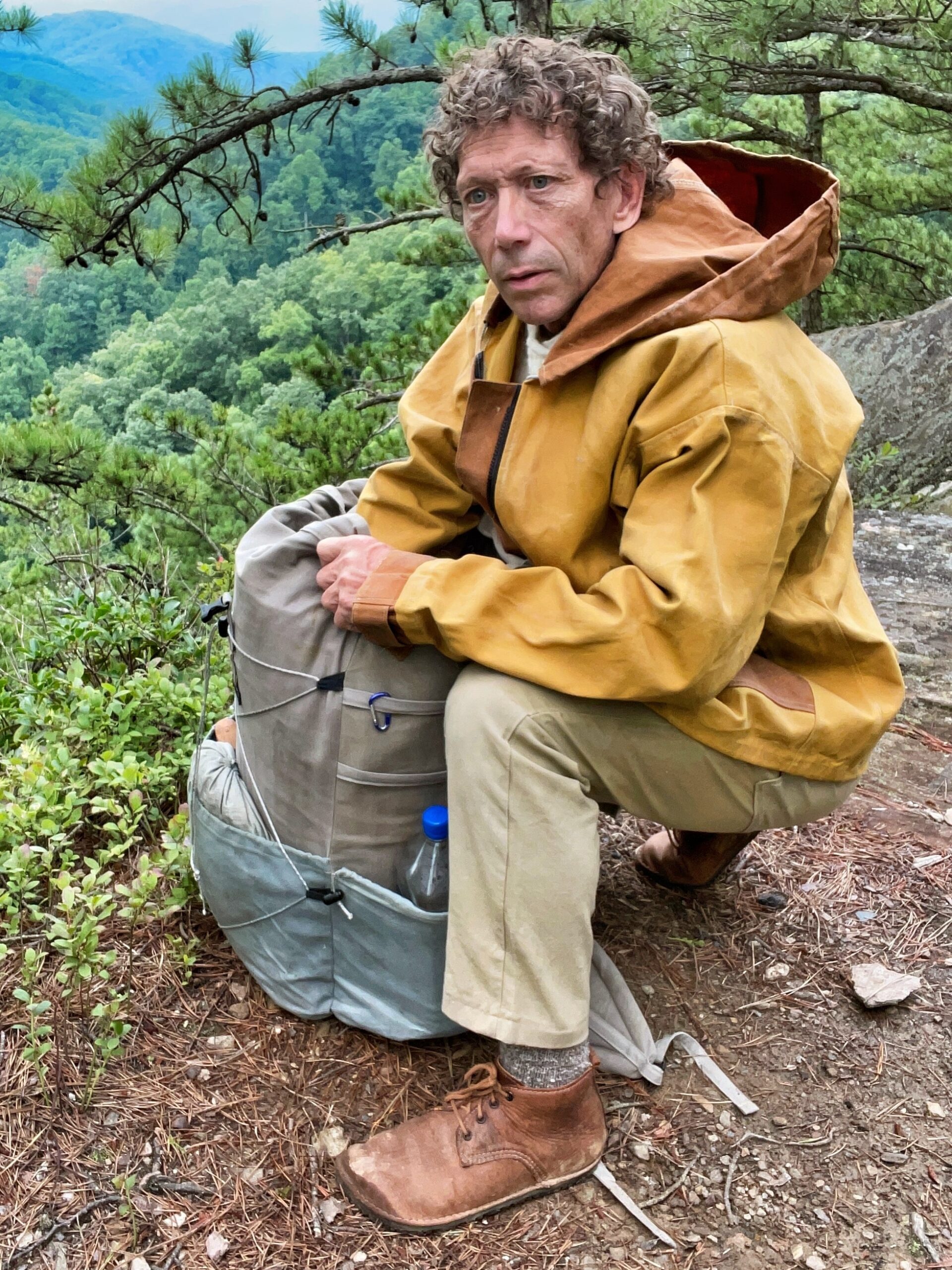





Lightweight Gear. Natural Materials.
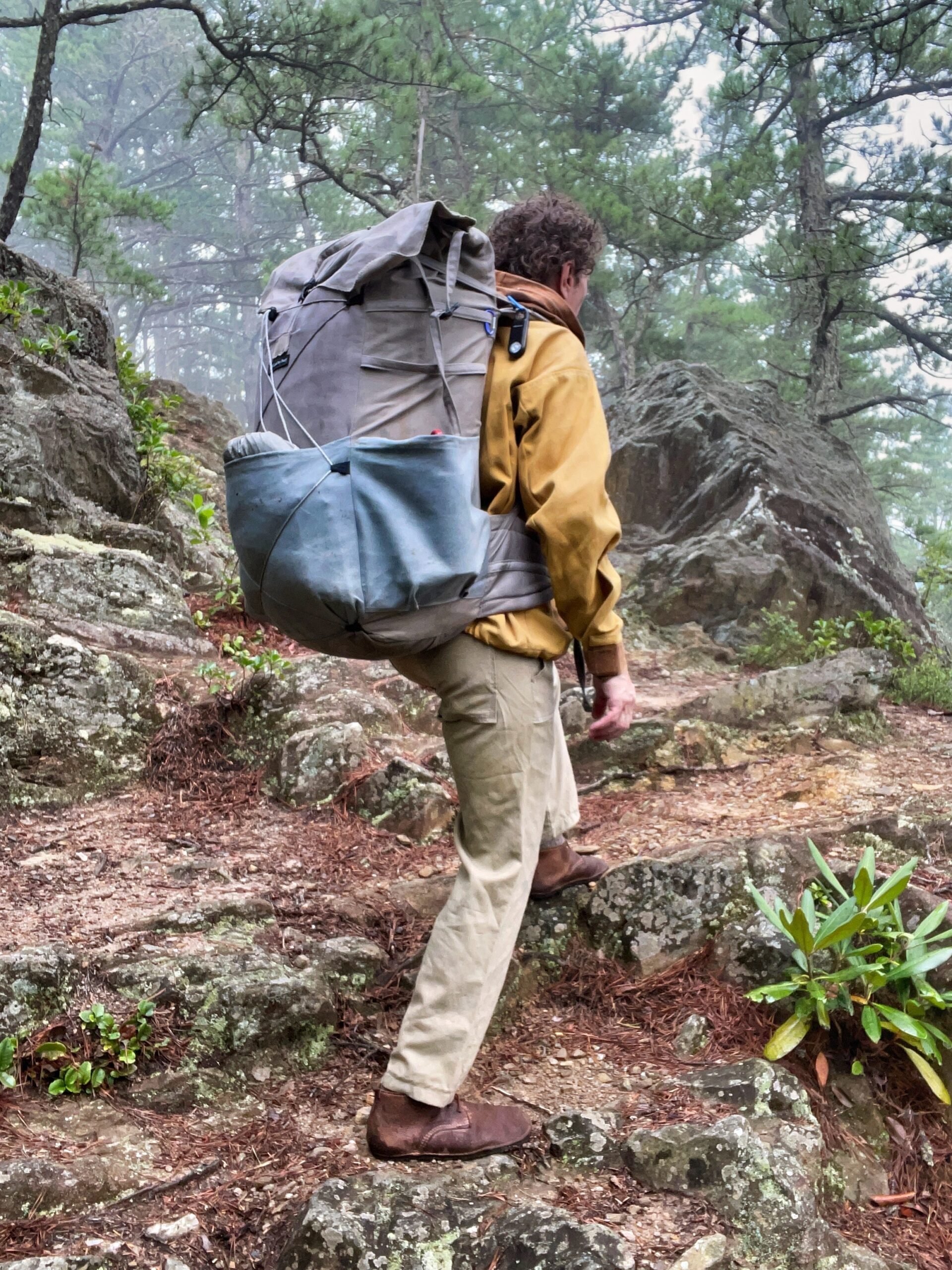
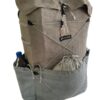
The modern outdoor industry has made lightweight gear the standard—but lightweight doesn’t have to mean plastic. This pack takes a different path.
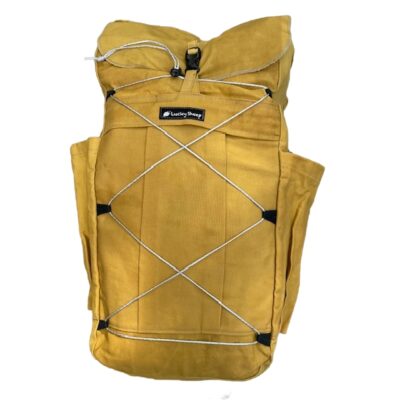
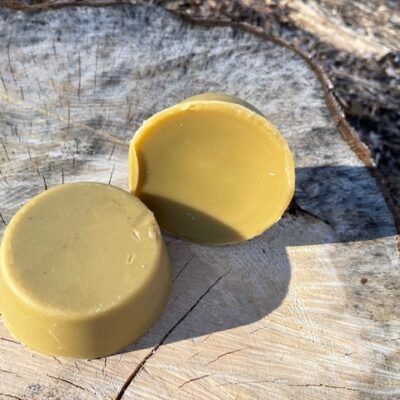
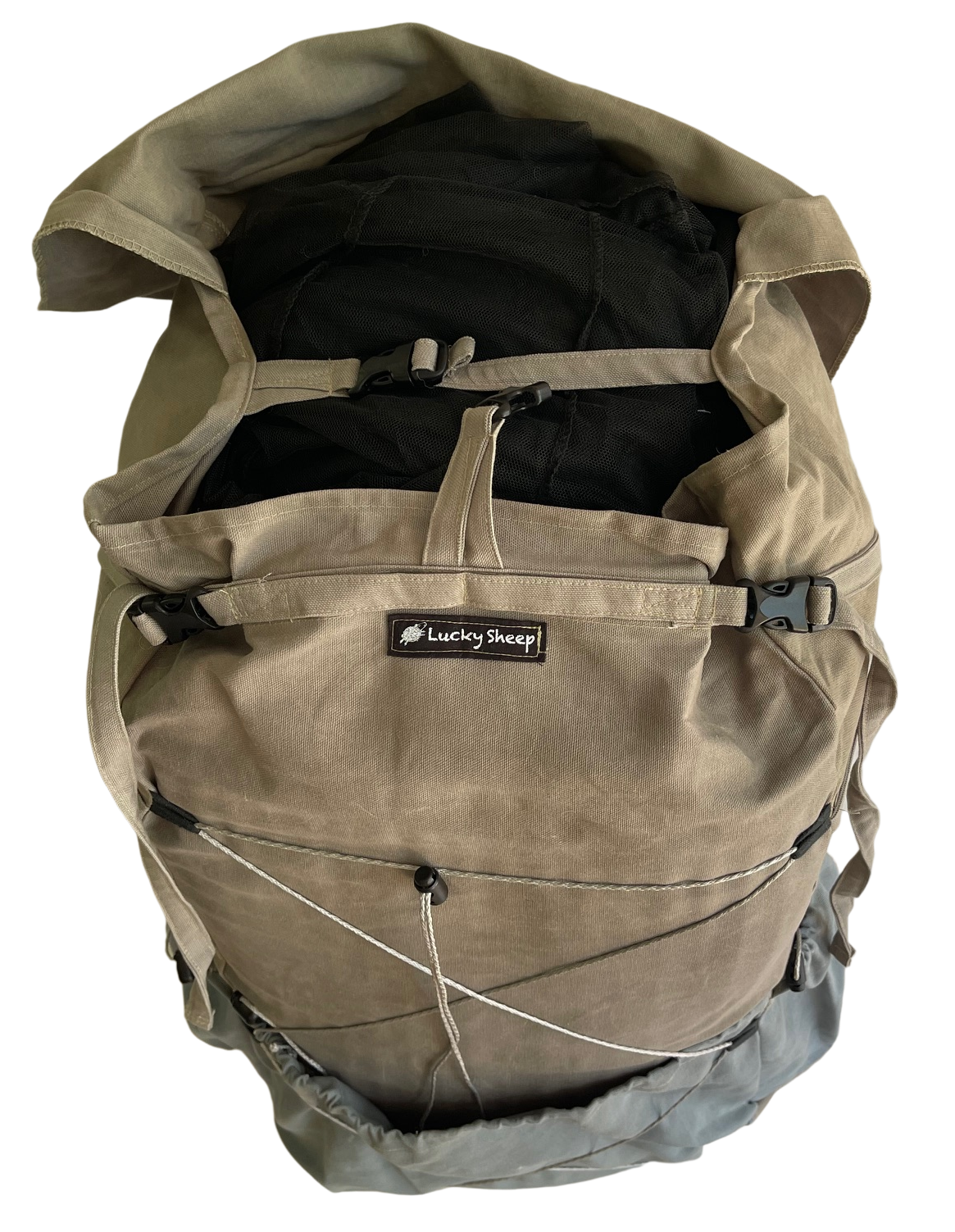
Instead of relying on petroleum-based fabrics and complex synthetic materials, we use organic cotton canvas, naturally treated with beeswax to create a durable, weather-resistant outer shell.
The result is a backpack that is:
- Lightweight – just 32 ounces
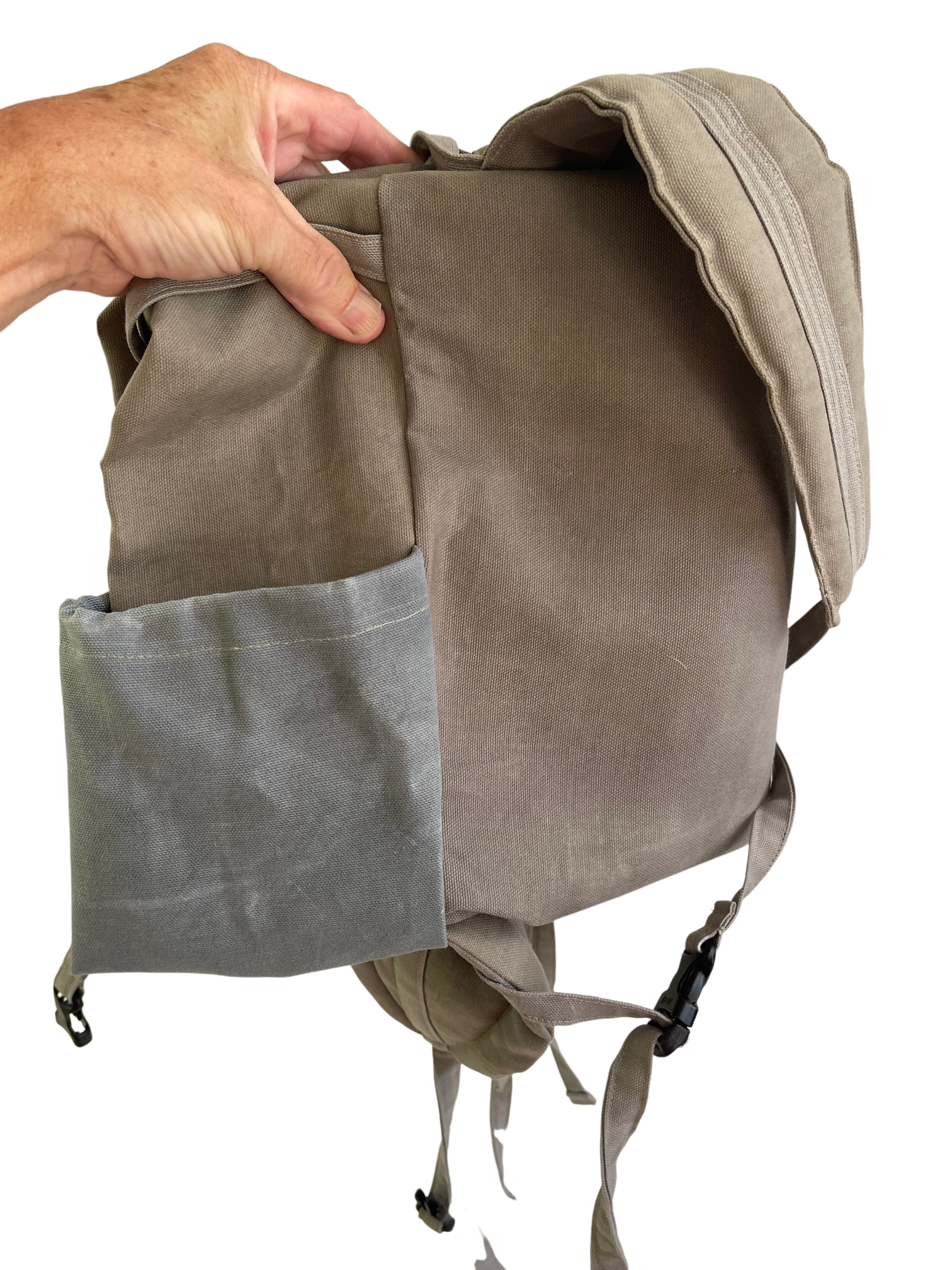
- 65-liter capacity – including exterior pockets
- PFAS-free / PFOS-free
- Made from organic cotton canvas
- Naturally beeswax treated
- Washable and biodegradable
- Quiet on the trail
- Ethically handcrafted in Burnsville, North Carolina, USA
It’s a pack for those who want to carry less—and live with less synthetic material along the way.
Built for Lightweight Adventure
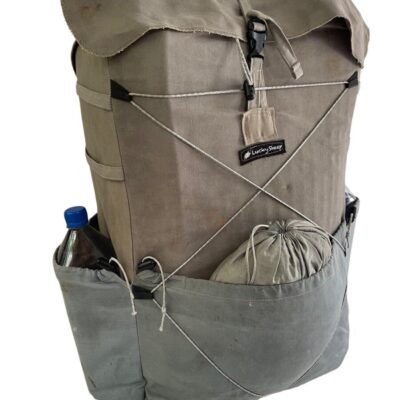
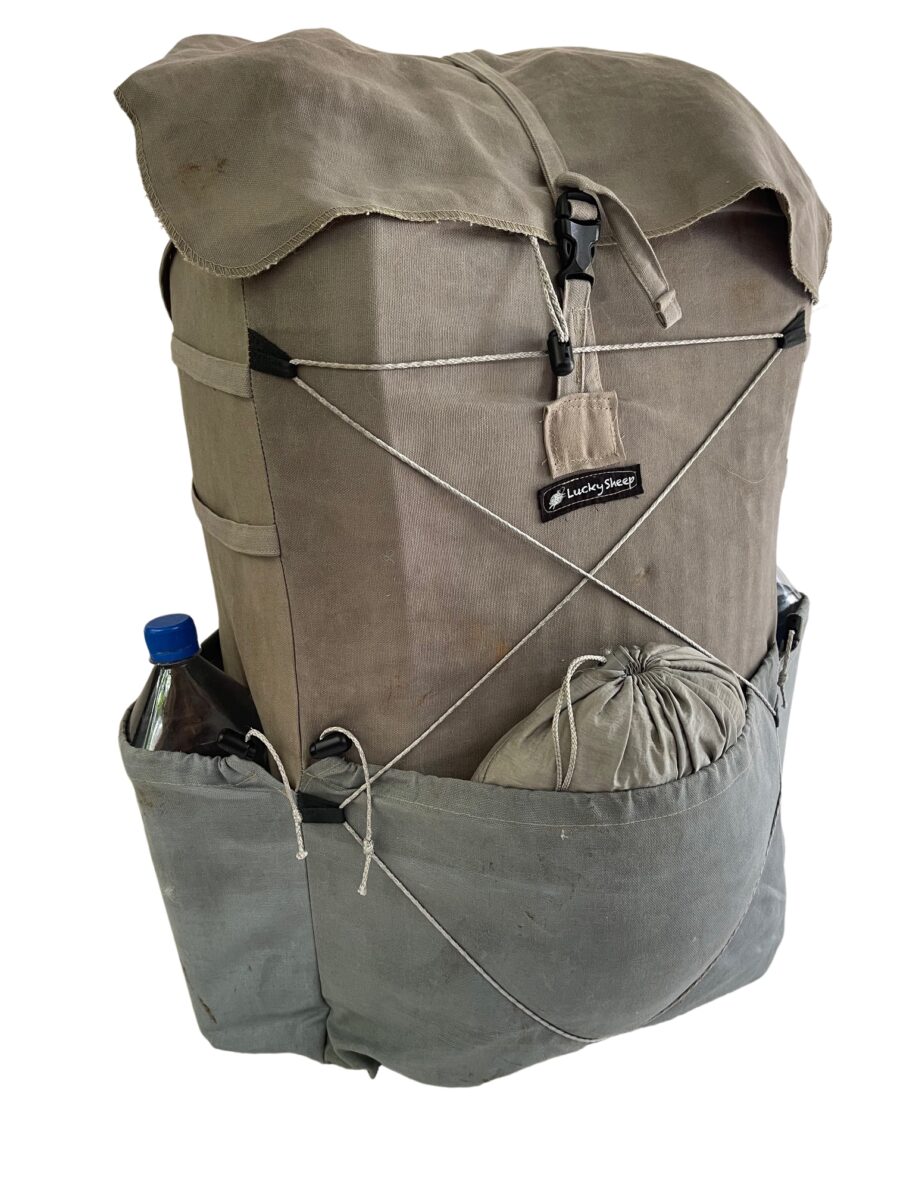
At 65 liters, this pack gives you the capacity you need for extended trips without adding unnecessary weight or complicated hardware.
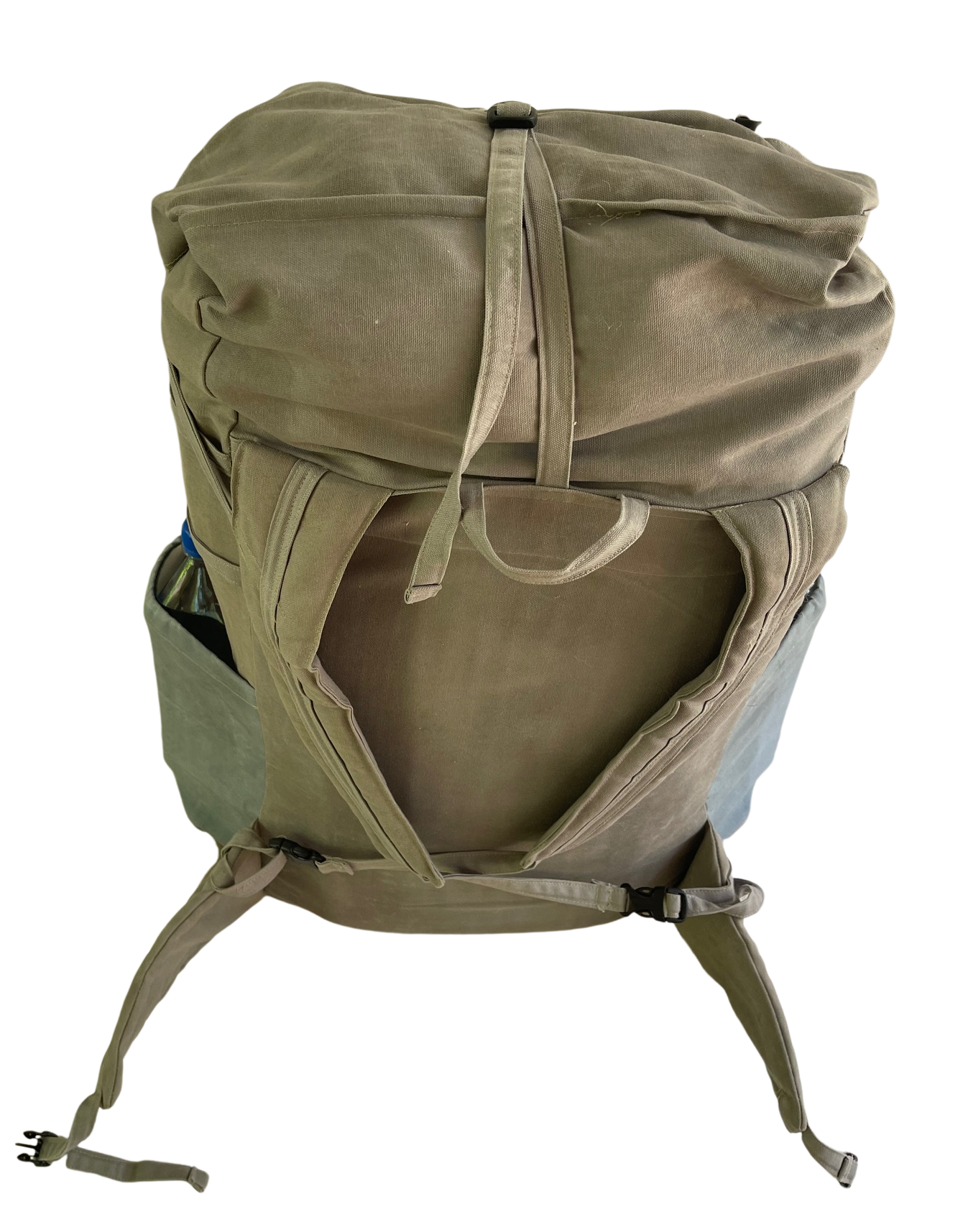
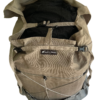
The minimalist design keeps things simple and functional. A closed-cell foam sleeping pad or ground pad wraps around the interior of the pack to create a lightweight, supportive frame while doubling as something you already need to carry.
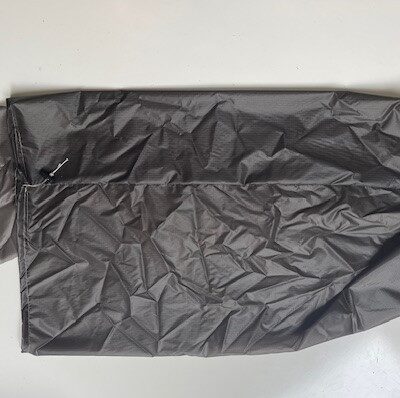
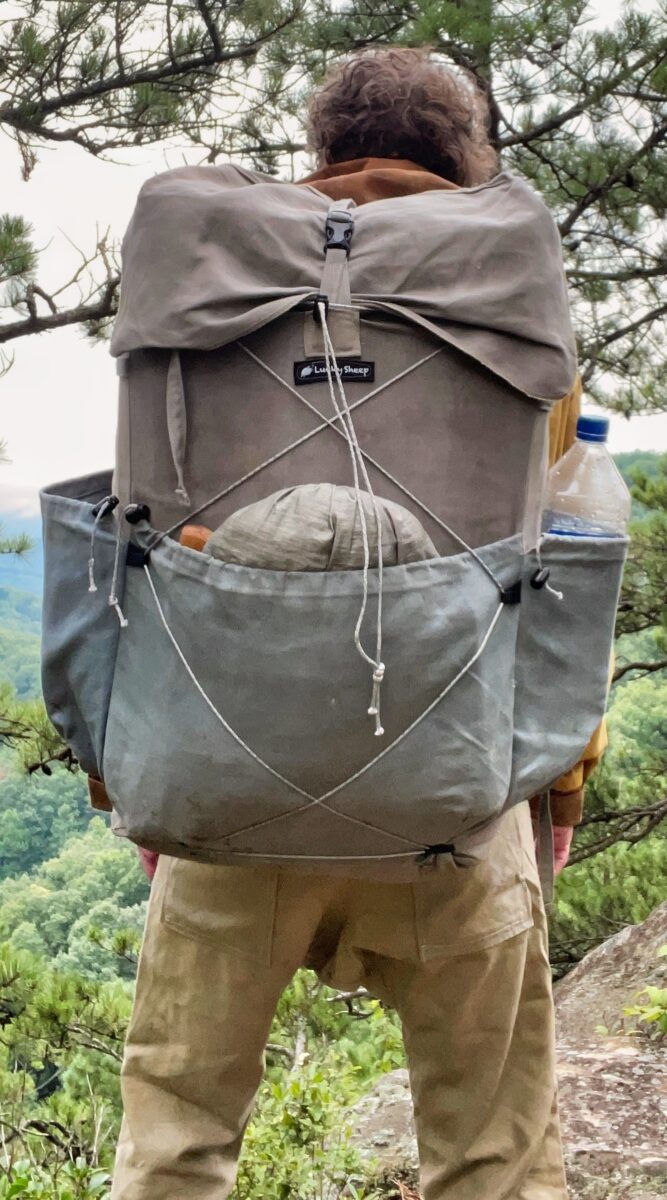
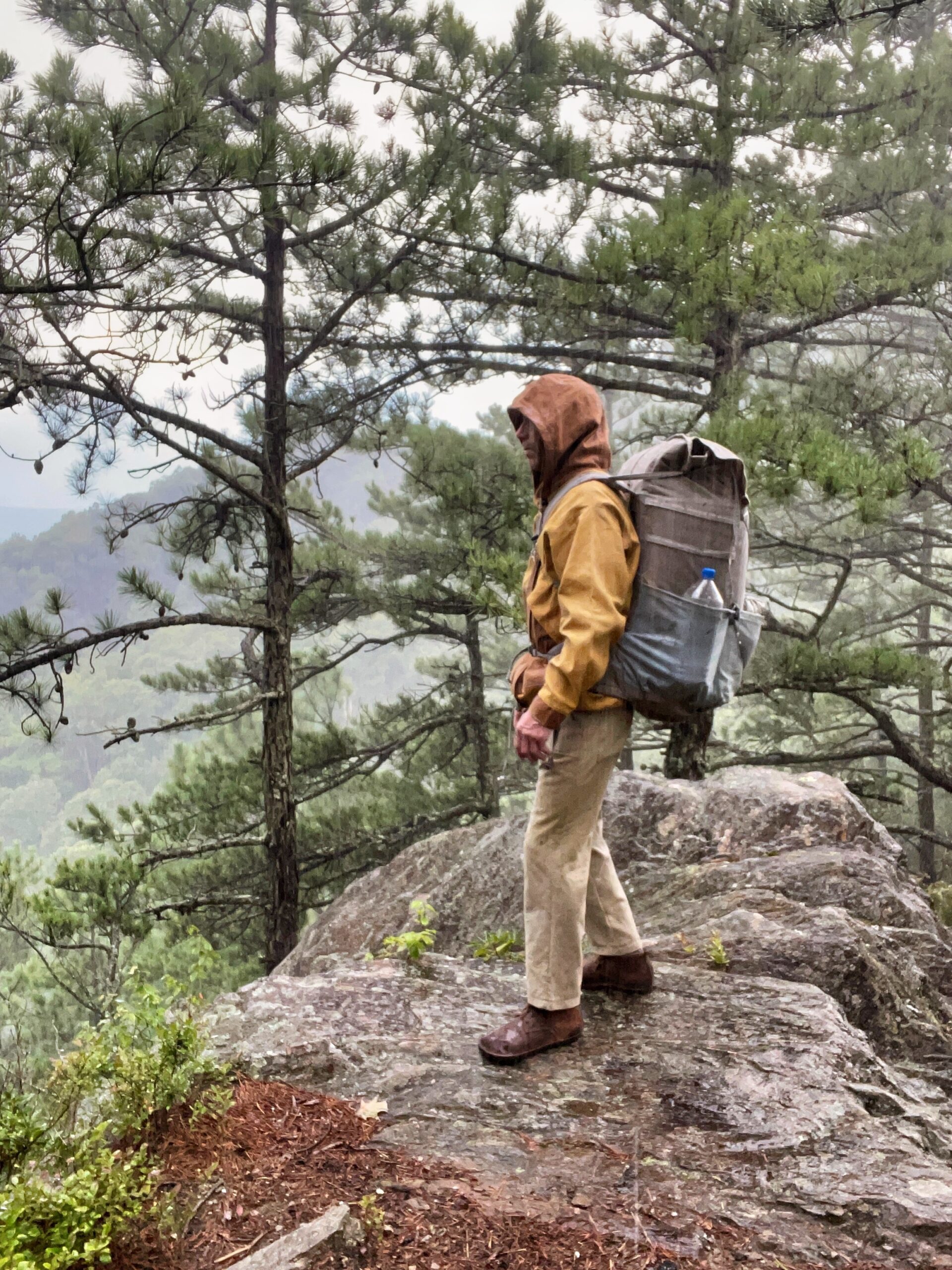
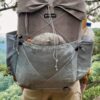
Your sleeping bag, clothing, and other soft gear fill the main compartment. Pack them in a water-resistant bag — waxed canvas is water-resistant, not waterproof, so a liner or the silnylon stuff sack keeps your sleeping bag and clothes dry in sustained rain. The exterior pockets keep frequently used or bulky items—like a tent, water bottle, or cook kit—close at hand.
The result is a simple, efficient system that lets your gear do double duty.
A Pack That Moves With You
The body-friendly design is built around the way you naturally move in the backcountry.
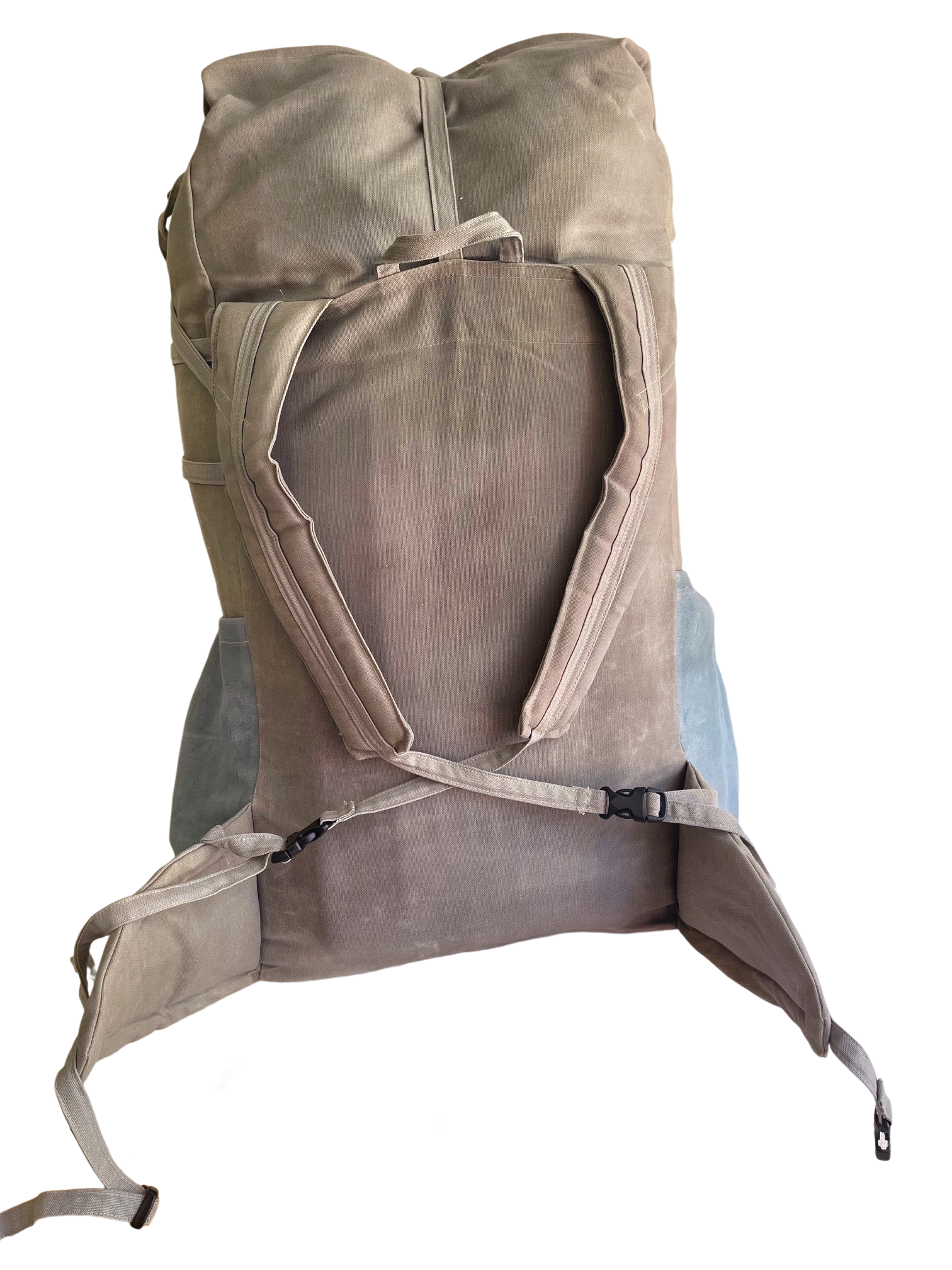
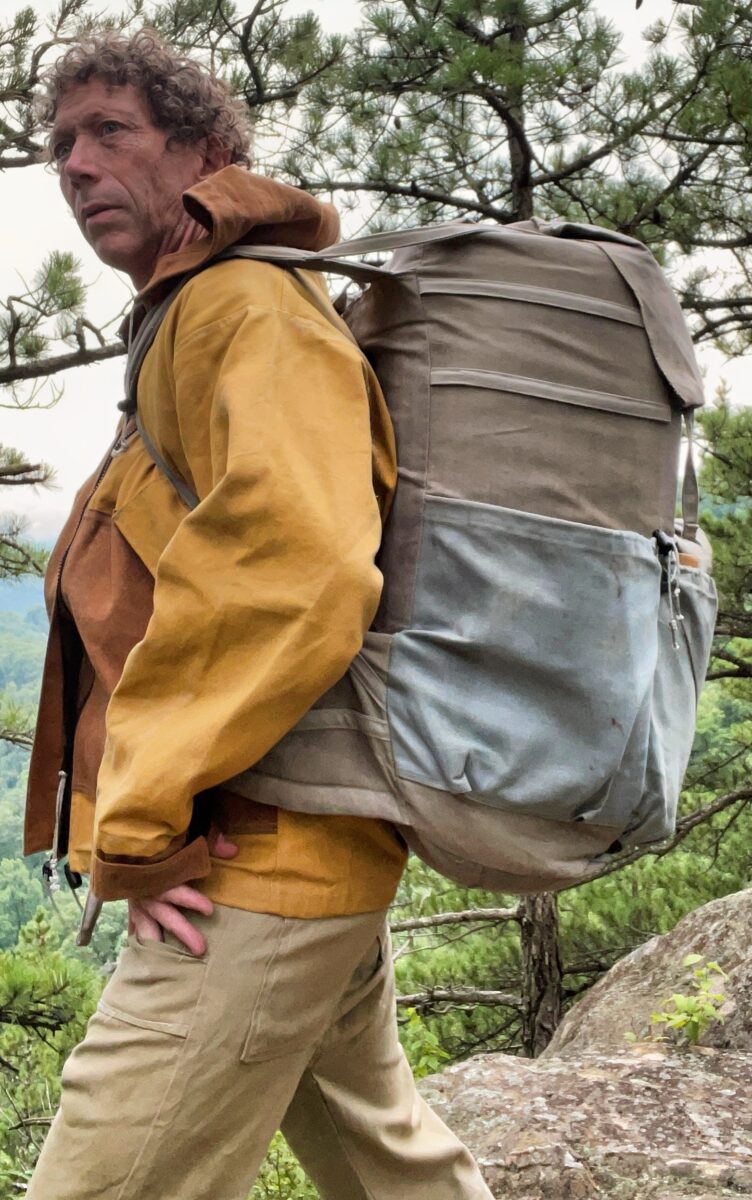
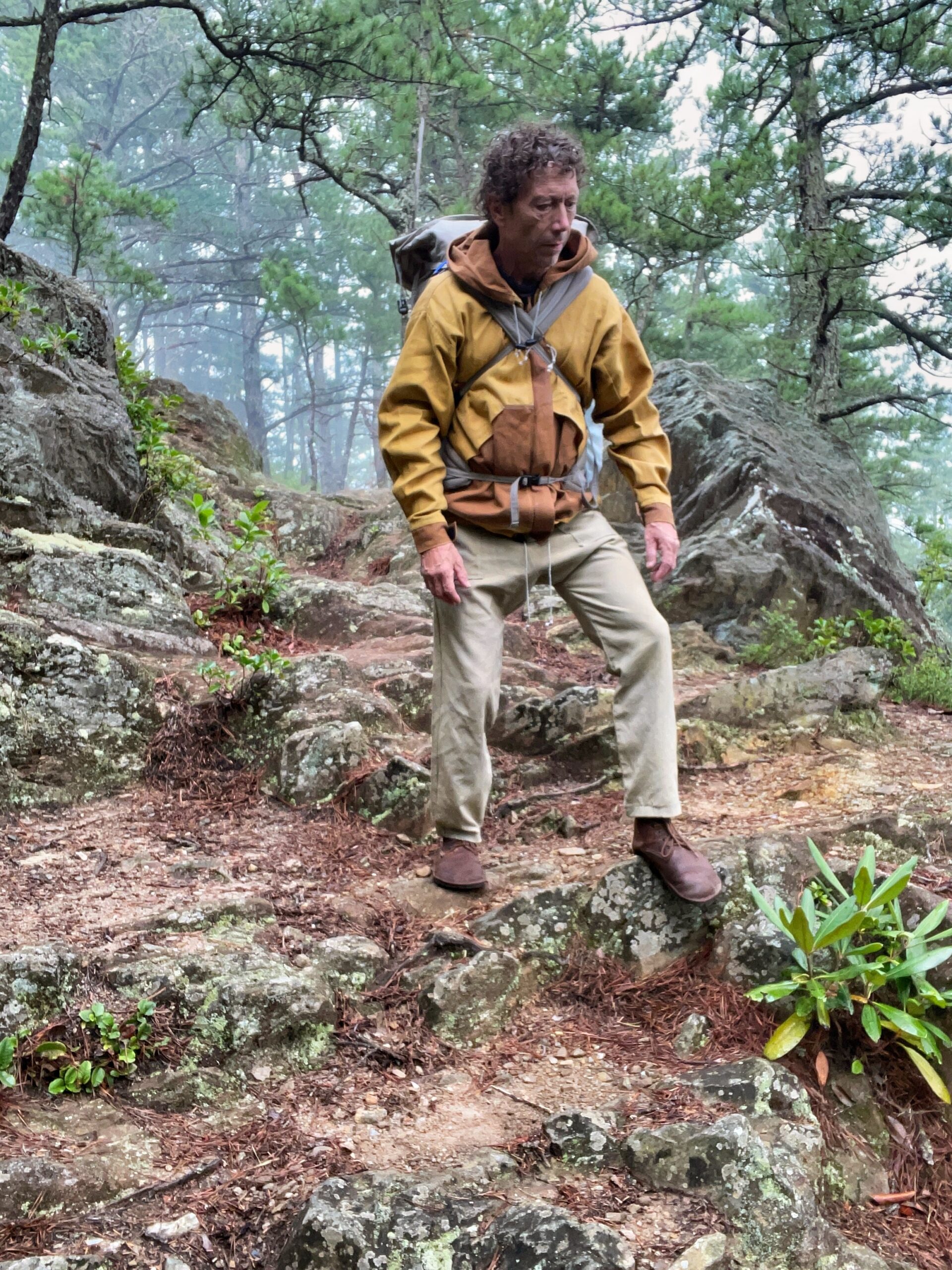
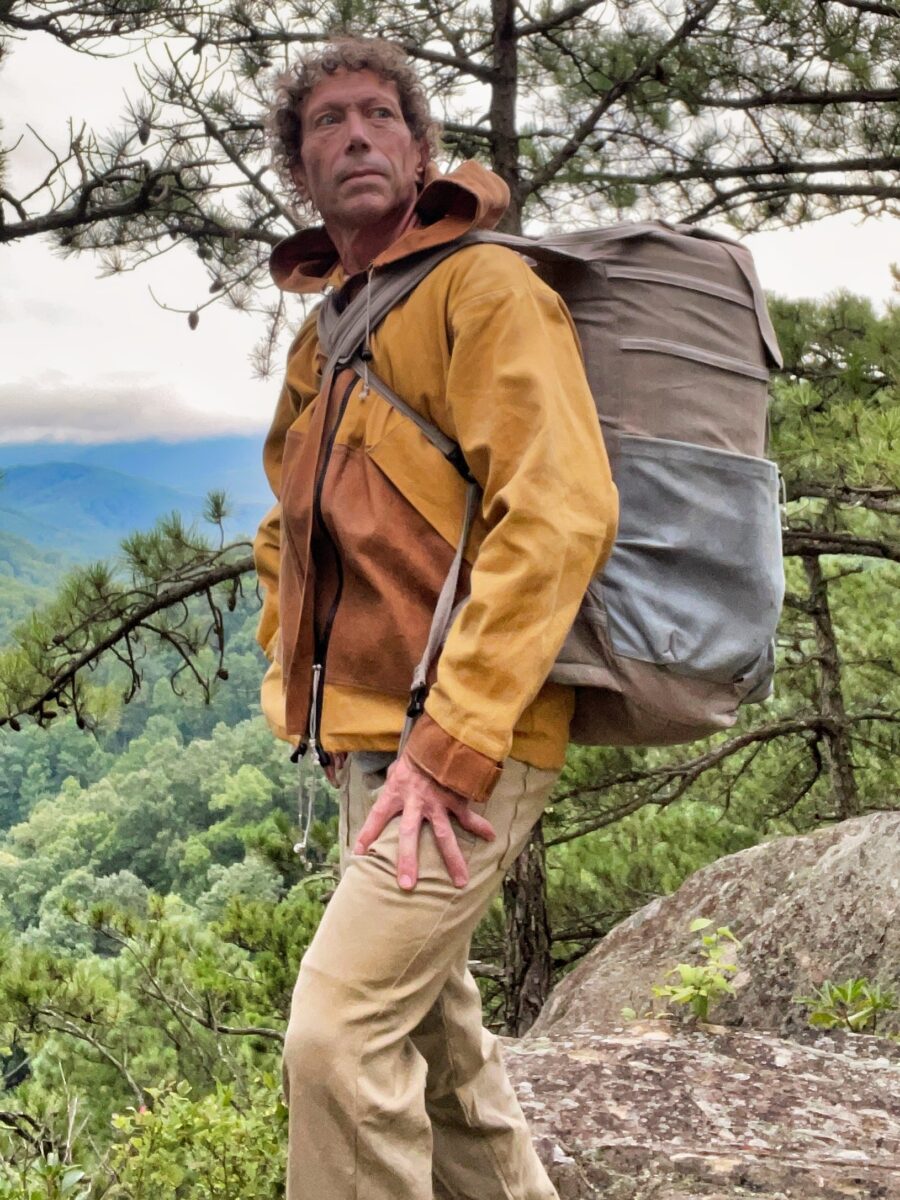
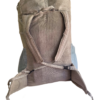
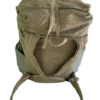
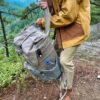
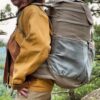
Generously padded shoulder straps and a hip belt, felted with natural wool, provide cushioning and comfort. The ergonomic cross-shoulder design helps the pack conform to your body, while adjustable synch and load-lifter straps allow you to fine-tune the fit.
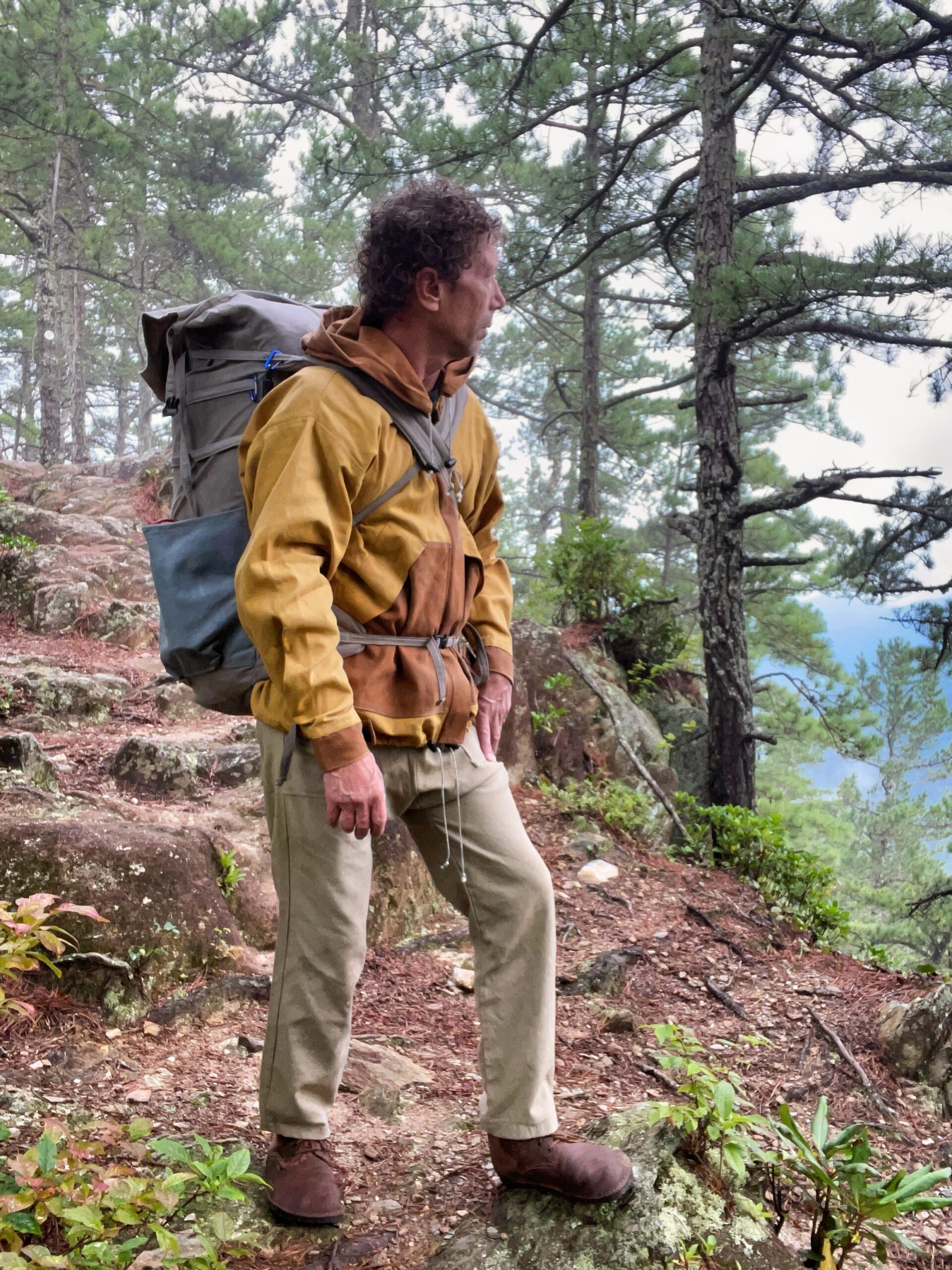
When properly fitted, the pack sits close to your body, helping distribute the load and maintain balance as you move over uneven terrain. Choose from Small, Medium, or Large based on your torso length for the best fit.
Natural Materials. Real-World Performance.
There is something different about carrying gear made from materials that come from the living world. Organic cotton. Wool. Beeswax. Materials you can understand.
Materials that don’t require a chemistry degree to explain.
The Canvas Backpack is part of a larger vision for outdoor gear—one where we can embrace the benefits of lightweight design without automatically turning to plastic.
Like our wool sleeping bags and our Wool Felt Adventure Vest, this pack is designed around the idea that natural materials can perform exceptionally well in the outdoors.
You don’t have to leave your values at the trailhead. You can go lighter. You can go farther.
And you can stay natural. Go Light. Stay Natural.
Designed to Move With Your Body
A backpack should carry your gear. It shouldn’t dictate how your body moves.
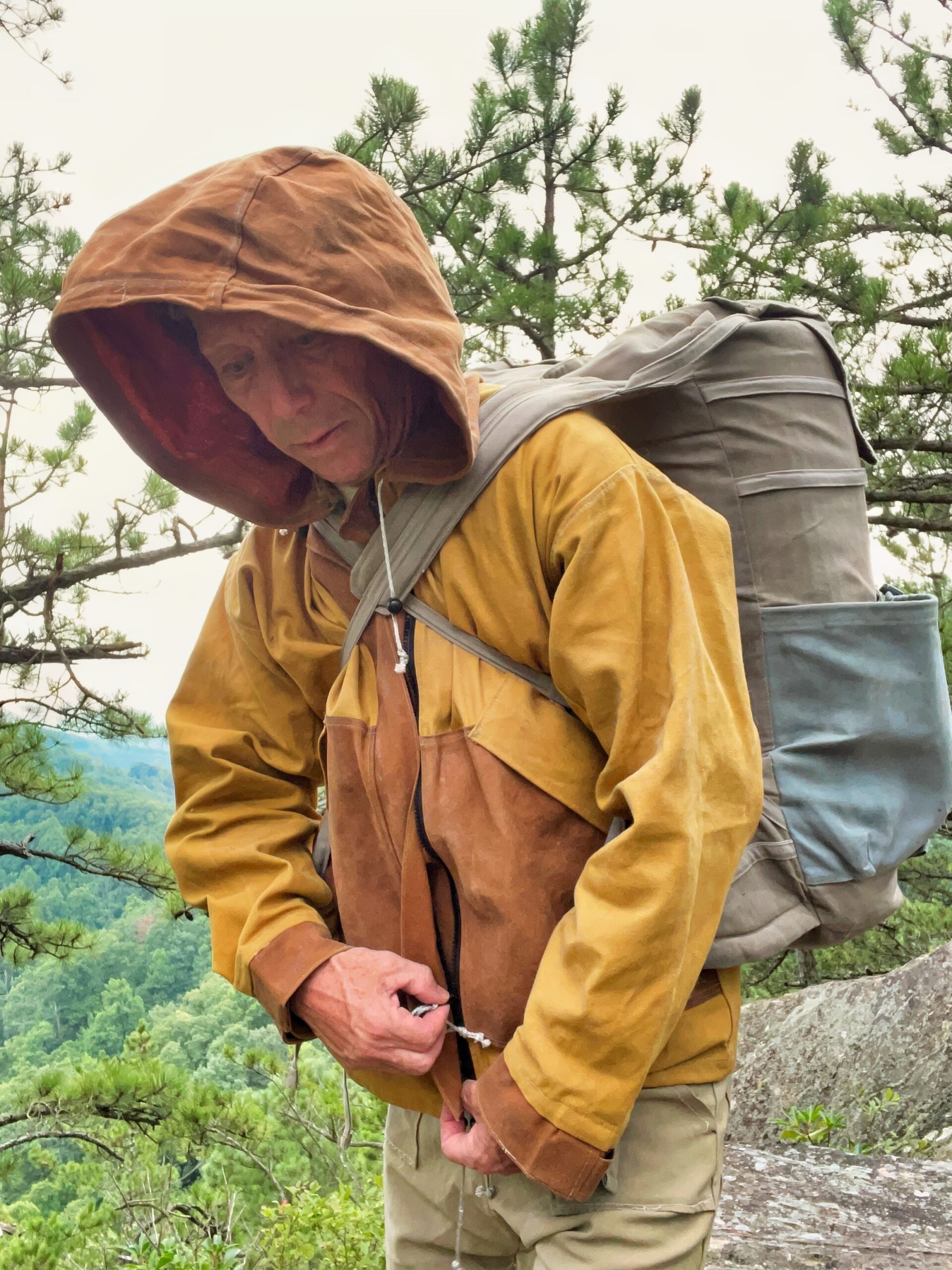
That’s why we developed a revolutionary cross-body strapping system for our 65-liter backpack—one designed around the natural movement of the human body.
Traditional backpack straps anchor the load to both shoulders, creating a relatively rigid connection between your torso and the pack. With every swing of your arms, the straps move against your shoulders, potentially creating pressure points and hot spots that become increasingly noticeable after many miles on the trail.
And here’s something that seems obvious once you think about it: your arms work best when your shoulders are free to move. Crazy as it may sound, there may be a better way to carry a backpack.
Our cross-body strapping system allows your arms to move freely, without being restricted by conventional shoulder straps. Instead of concentrating the load primarily on the shoulders, the design brings more of the weight toward the chest and the central torso—the more stable part of your body’s core.
Your shoulders are joints designed for mobility. Your torso is the stable center from which your arms and legs move. When you walk, your arms swing. Your shoulders rotate. Your torso naturally twists and shifts with every step. Our cross-body system works with that movement.
By distributing the connection across the body rather than relying solely on conventional shoulder straps, the pack allows greater freedom of movement through the shoulders and upper torso. As you hike, climb, bend, and reach, the pack moves more fluidly with you instead of feeling like a rigid weight strapped to your back.
The result is a pack that feels less like something you’re carrying on your body—and more like something you’re carrying with your body.
This movement-friendly approach is central to our philosophy at Lucky Sheep. We believe outdoor gear should support the way humans are meant to move: freely, naturally, and with as little unnecessary restriction as possible.
We didn’t set out to make another 65-liter backpack. We set out to rethink what a backpack could be. A pack designed for movement.
A pack designed for the human body.
A pack designed to go where you go.
Smart Internal Framing for Balanced Carry
This pack uses a minimalist, low-impact frame system
- Start with a closed-cell foam pad, wrapped around the interior circumference. This creates a lightweight, supportive internal frame.
- Pack your sleeping bag, extra clothing, and soft gear inside the main compartment.
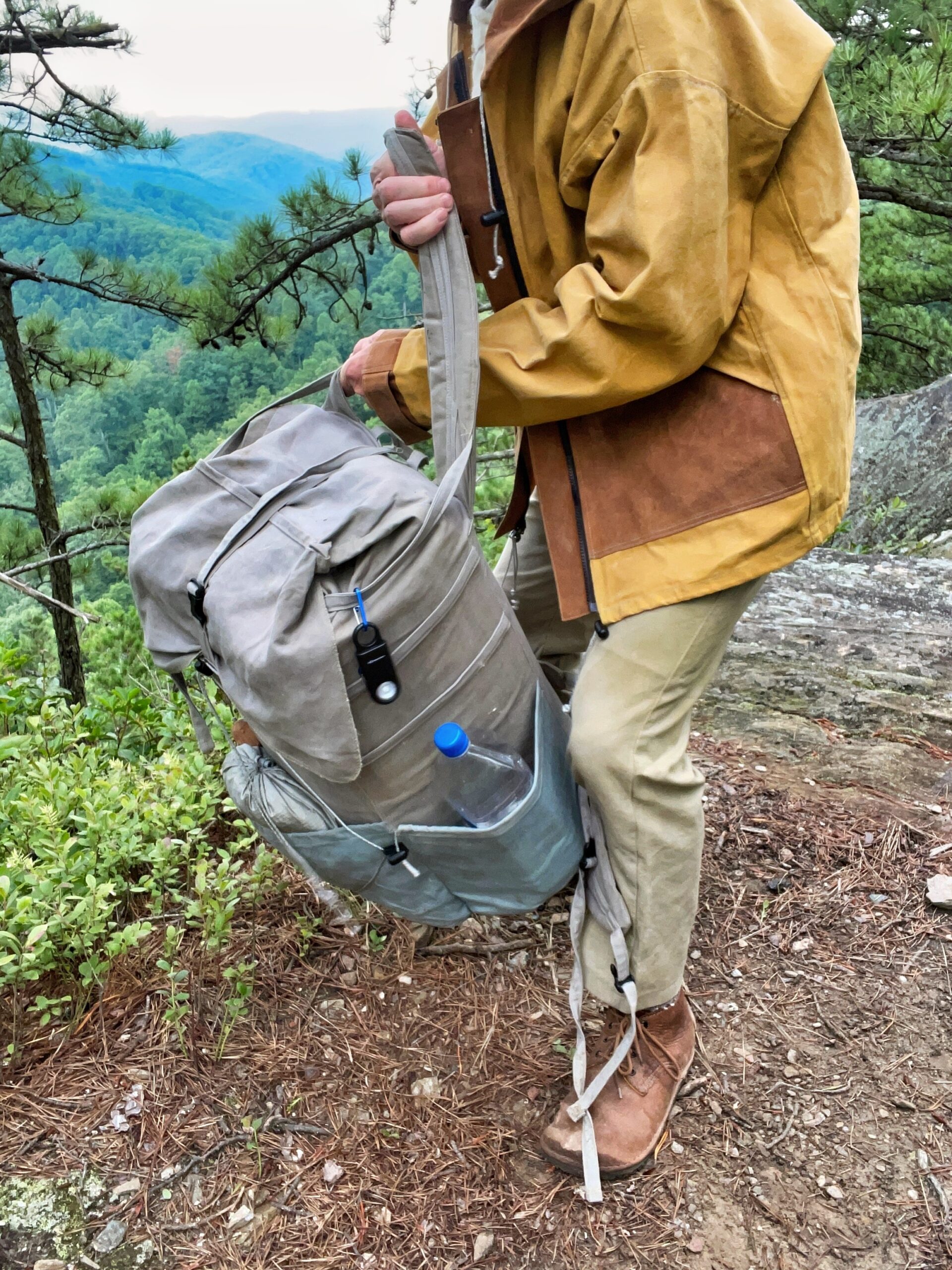
- Use the three exterior pockets for wet or bulky items like a tent, water bottle, or cook gear.
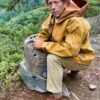
See how the pack works while in action.
How to Fit & Adjust Your Expedition Pack
A proper fit makes all the difference on the trail—whether you’re thru-hiking, backpacking, or out on a multi-day expedition. Follow these steps for an efficient and comfortable carry:
- Measure your torso length to select the correct pack size.
- Cinch the main compartment to tighten the load.
- Adjust the shoulder straps and hip belt, pulling down evenly.
- Tighten the top load-lifter straps to pull the pack closer to your body.
A customized fit ensures your pack hugs your body, reducing fatigue and improving stability.
How to Choose the Right Lucky Sheep Canvas Backpack Size
1. Understand Why Fit Matters
A proper backpack fit improves comfort, reduces fatigue, and stabilizes load balance—especially on trails and multi-day trips. The key measurement for fit isn’t your height but your torso length.
2. Measure Your Torso Length
Follow this simple process:
- Stand up straight.
- Locate the bony bump at the base of your neck (C7 vertebra).
- Using a tape measure, run it down along your spine to the top of your hip bones.
- The distance between these points is your torso length.
This measurement tells you which pack size category will fit you best.
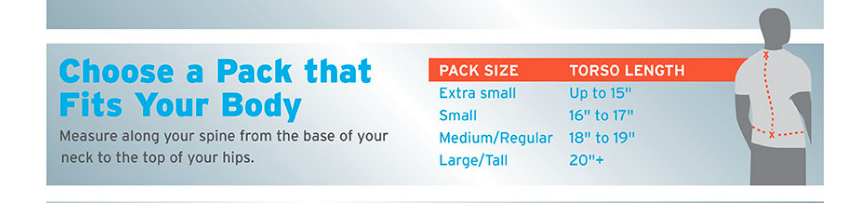
3. Compare Your Torso Length to Our Size Chart
Match your torso length to the corresponding pack size below:
- Small: 16″ to 17″ torso length
- Medium: 18″ to 19″ torso length
- Large: 20″ and up torso length
These categories help you choose the size of the backpack frame that will sit correctly on your back and hips. 4. Try It On and Adjust Straps
Once you have your pack:
- Tighten the shoulder straps so the pack rides close to your upper back.
- Adjust the hip belt so it sits snugly on your hip bones; this transfers most of the load to your hips.
- Use the load lifter straps to bring the pack body closer to your torso for stability.
A correctly sized and adjusted pack should feel balanced, not pulling you backward or pinching your shoulders.
5. Pack and Walk a Bit
Load the backpack with a typical kit (sleeping bag, food, water) and walk around. Pain points or sway indicate straps need fine-tuning—or that a different size might fit better. Trials with actual gear are the most reliable test of comfort.
3 Proven Techniques to Put On Your Pack
Watch our how-to video for a full demonstration, or follow the step-by-step instructions below:
1) Tree Leaning Technique (Beginner-Friendly)
Lean your pack upright against a tree.
- Back up to it until it rests against your spine.
- Reach one arm back, grab the shoulder strap, and pull it across your chest.
- Clip it to its opposite attachment.
- Repeat for the other side, then adjust the lower straps and hip belt.
- Fine-tune as you walk to balance the load evenly.
2) Sit-Down Technique (Great for Heavy Loads)
- Sit with your pack upright behind you.
- Attach one shoulder strap to its opposite buckle, then the other.
- Lean forward and stand up with the pack.
- Clip the hip belt and cinch all straps snugly.
3) Pull-Up Technique (Advanced & Efficient)
- Grab both shoulder straps and swing the pack onto your back as you lean forward.
- Balance the load while securing one strap at a time.
- Tighten all straps and fasten the hip belt for a secure fit.
How to Take Off the Pack
Choose the method that best suits your environment and load:
- Lean-Back Method:
Lean against a tree to support the pack. Unclip straps and lower it gently. - Sit-Down Method:
Sit down with the pack, unclip all straps, and slide it off. - Twist-Off Method:
Unclip the straps while keeping hold of the upper ones, twist around, and lower the pack carefully.
Washing Instructions
This rugged organic cotton canvas backpack is machine washable.
- Turn the pack inside out, secure all straps, and wash on cold cycle.
- Avoid hot water and high heat to preserve the wax coating.
- Line dry.
This video gives a thorough explanation on how to size and adjust your pack to get the most efficient use: