Non Toxic Clothing Guide

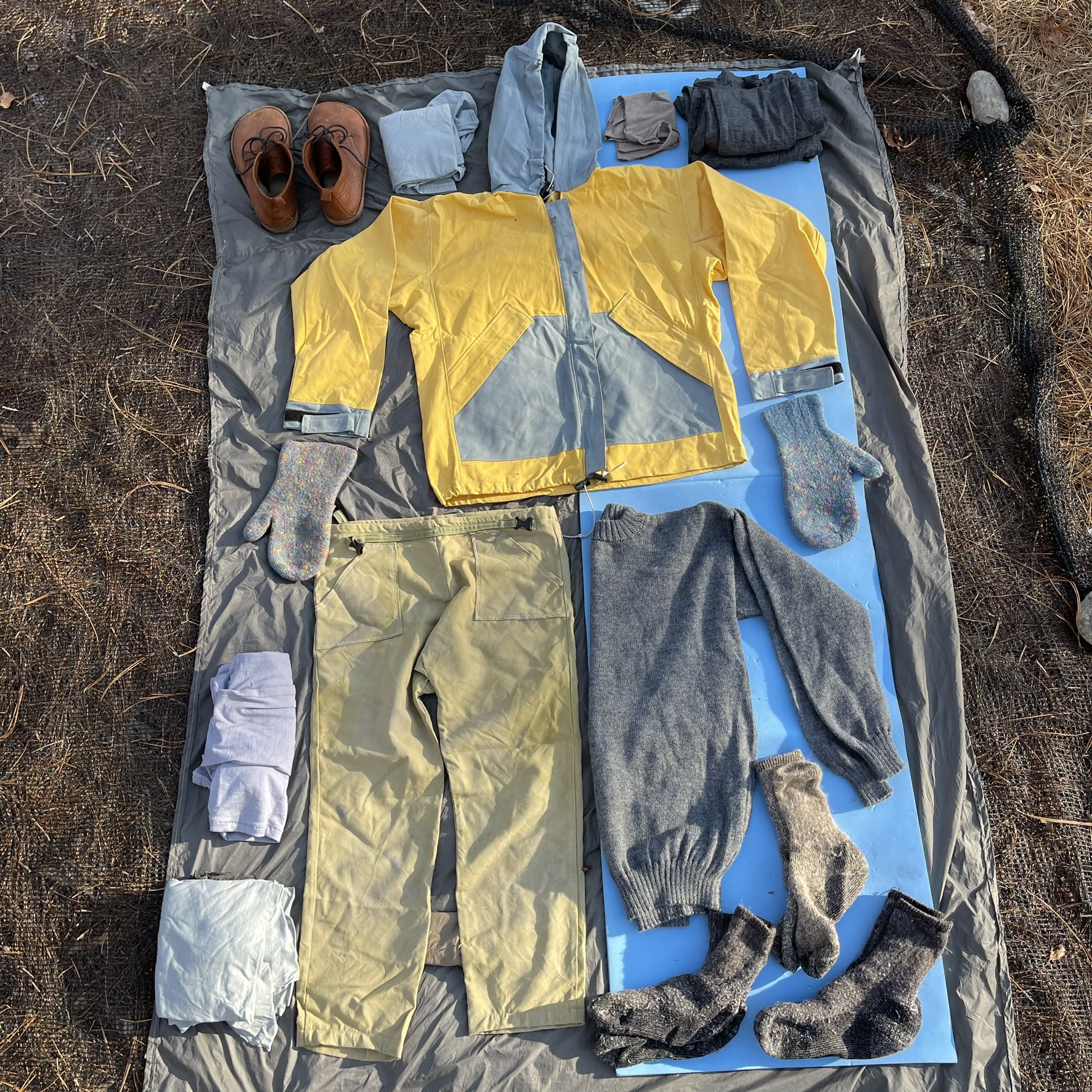
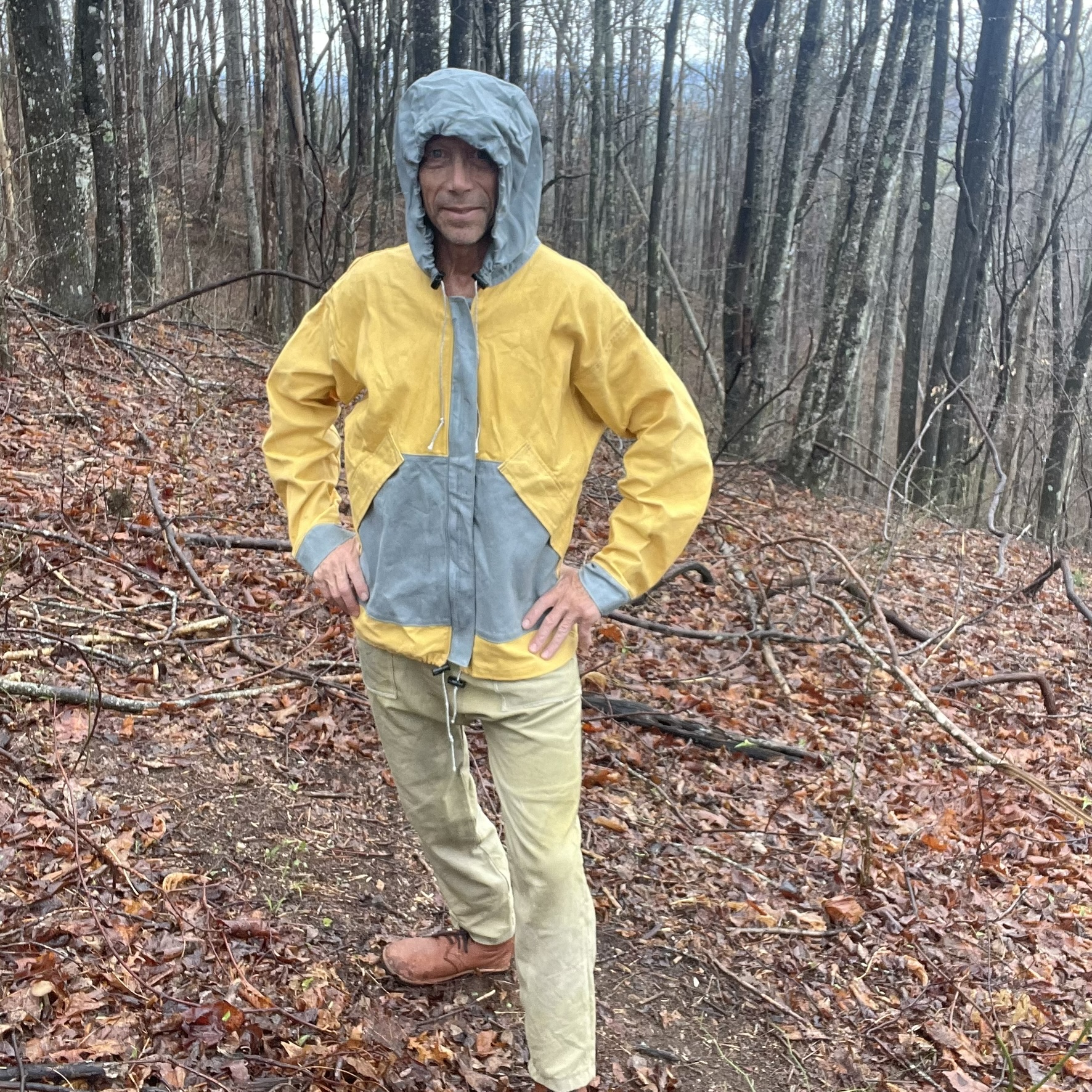
Learn how to build your non toxic clothing system using natural fibers like wool and waxed cotton. We walk you through the why and how of incorporating natural fibers into your outdoor wardrobe, laying a foundation of principles and action steps for you to step into nature on the right foot.

Non-Toxic Camping Gear Guide: PFAS, Flame Retardants and What to Buy Instead

Non toxic camping gear is a phrase that gets used loosely, so this guide is specific. It covers the four classes of chemistry that actually show up in tents, sleeping bags, pads, packs and rain shells: PFAS water repellents, flame retardants, polyurethane coatings and foams, and shedding synthetic fibre. For each one it says what

Non-Toxic Camping Gear Guide: PFAS, Flame Retardants and What to Buy Instead Read More »

Best Non-Toxic Sleeping Bag: What to Look For (and What to Avoid)

The best non toxic sleeping bag is the one whose materials you can name, all the way down. Most bags are a polyester shell with a fluorinated water-repellent finish, a polyurethane coating or laminate, polyester or down fill, and sometimes a flame-retardant treatment, and none of that appears on the hang tag. This is a

Best Non-Toxic Sleeping Bag: What to Look For (and What to Avoid) Read More »

Natural Fiber Outdoor Clothing Part One

Why Natural Fibers Outperform Synthetic Gear Introduction Natural fiber outdoor clothing offers superior breathability, moisture regulation, and comfort compared with synthetic gear. Unlike synthetic materials that can trap moisture and heat, natural fibers like wool work with the body’s physiology. This supports thermo-regulation and creates a healthier micro-climate next to the skin. This alignment makes

Natural Fiber Outdoor Clothing Part One Read More »

Natural Fiber Outdoor Clothing – Part Two

How to Build a Natural Fiber Outdoor Wardrobe That Actually Works Introduction A natural fiber outdoor wardrobe works best when clothing is treated as a system rather than individual garments. By using breathable materials like wool and waxed cotton, the body can regulate moisture and temperature more effectively, supporting comfort, adaptability, and long-term outdoor vitality

Natural Fiber Outdoor Clothing – Part Two Read More »

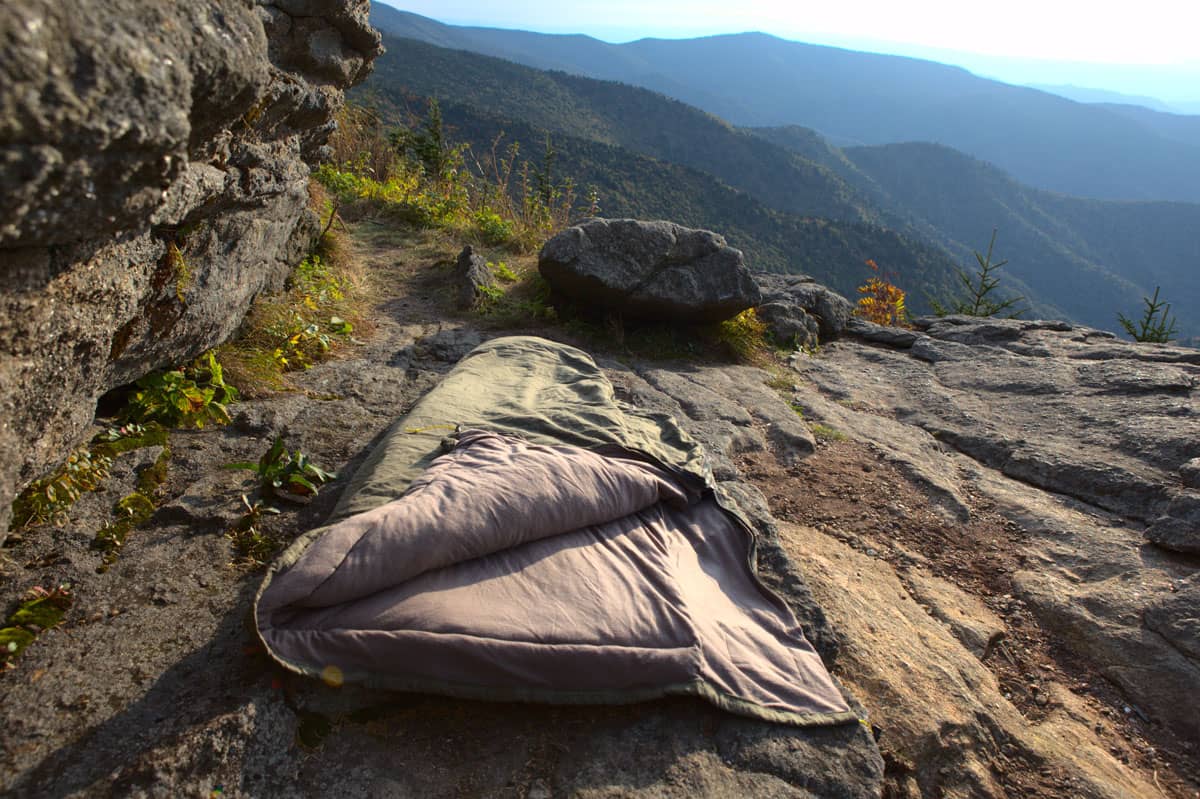
wool sleeping bag on mountain

Synthetic vs Natural Fabric Next to Skin: Static, Moisture and Sleep

Pull a fleece over your head in a dry tent and you’ll hear it crackle. Sleep in polyester and you wake up clammy and shocked by the zipper. Sleep in wool and neither happens. Readers find this article by asking whether wool conducts electricity, whether synthetic fabrics cause static, and which fabric to sleep in.

Synthetic vs Natural Fabric Next to Skin: Static, Moisture and Sleep Read More »

Recycled Plastic, Not What It’s Cracked Up to Be

As synthetic fibers and plastic pollution continue to wreck havoc on the planet, many of us are looking for sustainable alternatives. This is the very reason Lucky Sheep Outdoor Gear was started! Some people believe recycled plastic textiles are eco-friendly. This article looks at just how eco-friendly is it, and what are the wiser alternatives.

Recycled Plastic, Not What It’s Cracked Up to Be Read More »

Waxed Canvas Rain Jacket vs Gore-Tex: Breathability, Wetting-Out and Re-Waxing

A waxed canvas rain jacket and a Gore-Tex style membrane shell solve the same problem two different ways, and each fails differently. A membrane is fully waterproof until its water-repellent finish wears off and the face fabric soaks through; after that it stops breathing and you get wet from the inside. Waxed canvas is water-resistant

Waxed Canvas Rain Jacket vs Gore-Tex: Breathability, Wetting-Out and Re-Waxing Read More »

Shopping Cart