Sleep Rewilding Guide

We explore how to incorporate ancestral health principles into our sleep routine to achieve maximum benefits from our sleep cycles. We look into all the ways ancestral cultures used grounding, metabolism, light, temperature, sun exposure and circadian rhythm synchronization to enjoy a kind of sleep we have been dreaming of.

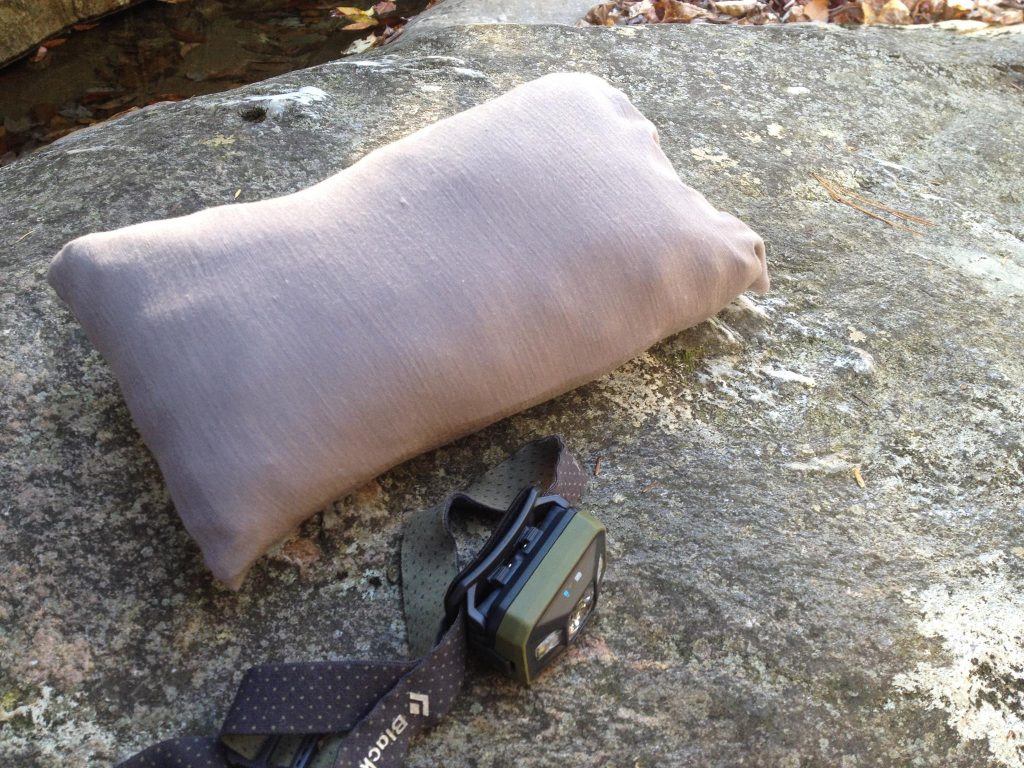
Camping Pillow: Wool vs Inflatable vs a Sack of Clothes

A camping pillow is the piece of the sleep system most people leave at home and then spend the night wishing they had not. On a firm pad the neck needs real support, and the three usual answers—an inflatable, a wool-filled camp pillow, or a stuff sack of clothes—behave very differently at 2 a.m. Here

Camping Pillow: Wool vs Inflatable vs a Sack of Clothes Read More »

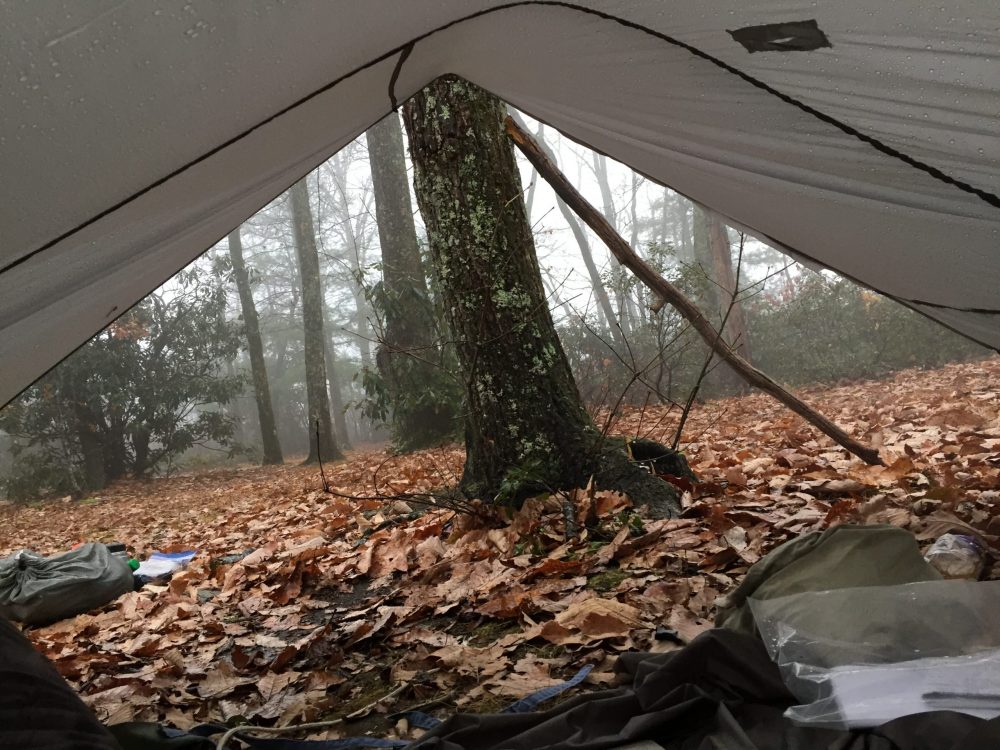
Why Damp Weather Feels Colder (and Why Wool Still Insulates Wet)

Why does damp weather feel colder? Forty degrees and raining will chill you faster than twenty degrees and clear—anyone who has spent a November night in the Southern Appalachians knows it in their bones. The plain answer is that damp air and damp clothing take more of your body’s heat to warm than dry air

Why Damp Weather Feels Colder (and Why Wool Still Insulates Wet) Read More »

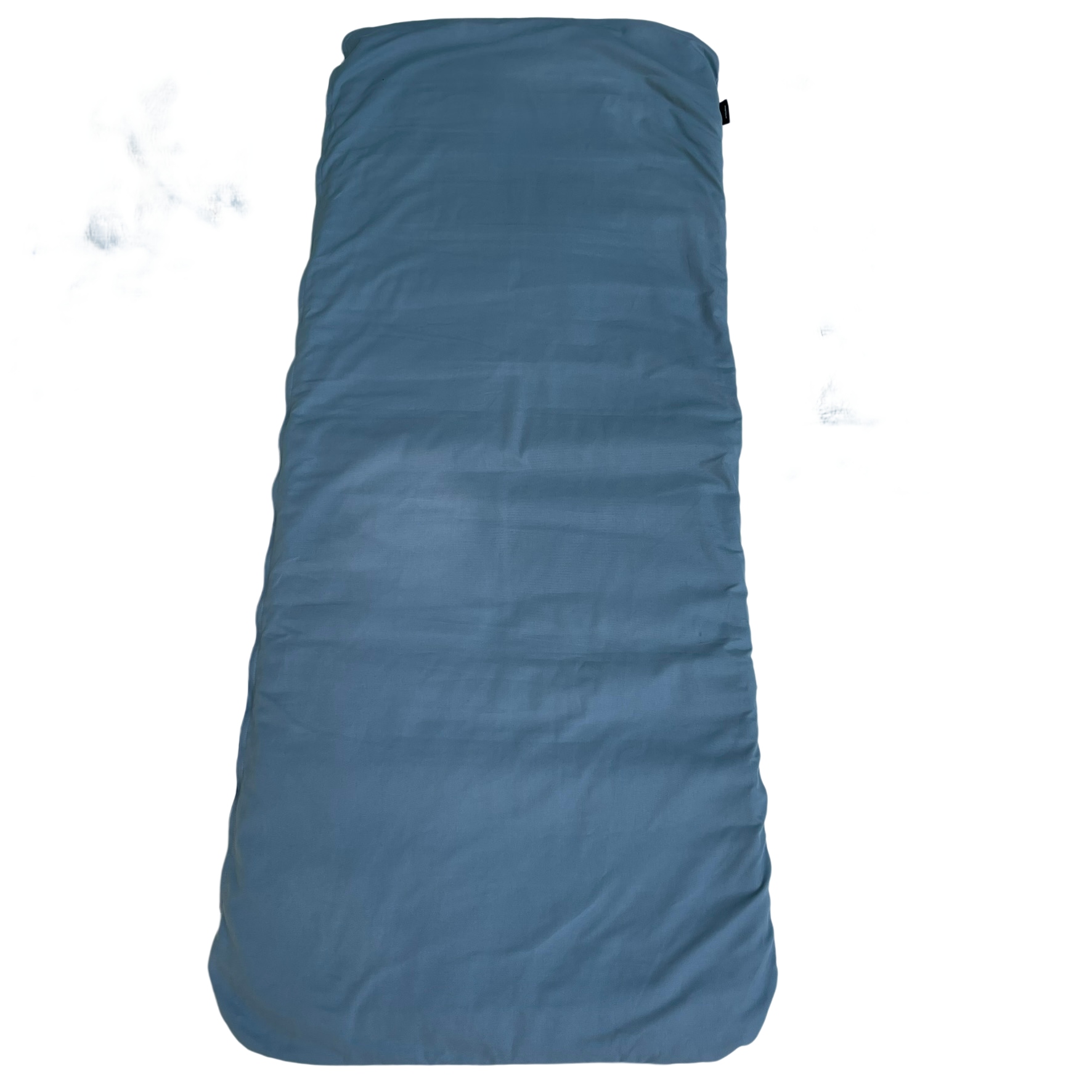
Sleeping Bag Temperature Ratings Explained (ISO 23537 and Wool)

A “20°F” bag is not a promise that you will be comfortable at 20°F. Depending on who printed it, that number may be a lab figure for a standard woman lying relaxed, a lab figure for a standard man curled up and coping, or a number the maker picked. This is sleeping bag temperature ratings

Sleeping Bag Temperature Ratings Explained (ISO 23537 and Wool) Read More »

Shopping Cart