
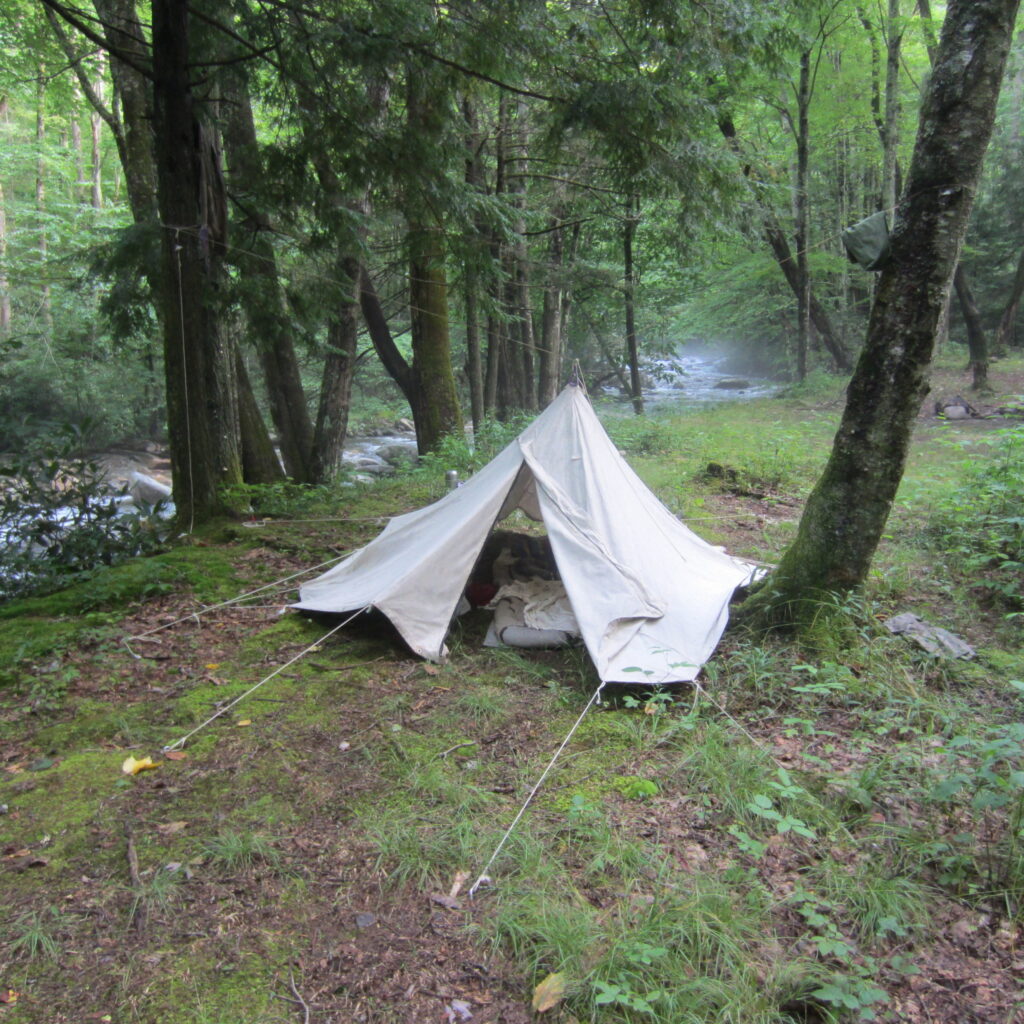
Why the Earth May Help Our Cells Work Better
There is something that happens when your bare feet touch the ground.
Not as a wellness trick.
Not as a practice to optimize.
Simply as a return.
The body softens. The nervous system settles. Breathing deepens almost without asking. Many people feel this instinctively when they step onto warm sand, mossy forest soil, or cool grass at the edge of a river.
Rewilding begins in moments like this.
It is easy to think of rewilding as something external—sleeping outdoors, cooking over a fire, walking deeper into forests and mountains. But something quieter is also happening beneath the surface.
Our cells are remembering the environment they evolved in.
The Tiny Fire Keepers in Every Cell
Inside nearly every cell of the body live mitochondria—tiny structures that generate the energy that allows us to move, heal, think, and adapt.
These small engines transform oxygen and nutrients into ATP, the basic fuel of life.
But energy production always comes with a companion: small amounts of reactive molecules often called oxidative stress. In healthy amounts they are part of normal signaling in the body. In excess they can contribute to inflammation, fatigue, and the gradual wear we associate with aging.
Balance is everything.
And that balance may depend more on our relationship with the natural world than modern life assumes.
The Electrical Relationship We Once Lived In
For most of human history, our bodies were never separated from the Earth.
We walked barefoot or in simple leather.
We slept close to the ground.
We gathered, hunted, and traveled with our skin frequently touching soil, water, and stone.
In other words, we lived in constant electrical relationship with the planet.
Only recently—within the last few generations—did thick rubber soles, synthetic materials, and insulated indoor living begin to separate us from that connection.
Modern science is just beginning to explore what that shift might mean.
What Researchers Recently Observed
A laboratory study by Cecilia Giulivi and Richard Kotz looked closely at mitochondria under different electrical conditions.
Instead of studying people outdoors, they examined mitochondria in controlled laboratory environments. Some samples were electrically grounded—connected to the Earth’s electrical potential—while others were not.
The differences were modest but consistent.
Mitochondria that were grounded:
- Produced slightly more cellular energy
- Generated less oxidative stress
- Showed signs of operating in a more stable electrical state
The research is early and does not claim that grounding cures illness or replaces medical care. But it does point toward something that many people sense intuitively when they spend time outside:
The body functions differently when it is in direct relationship with the Earth.
A Perspective From Rewilding
From the standpoint of rewilding, this idea is not surprising.
The human body was not designed in isolation from landscapes. It developed within them.
Sunlight regulates hormones.
Moving over uneven terrain strengthens joints and balance.
Forest air carries microbial signals that interact with the immune system.
And perhaps, as this research suggests, contact with the Earth itself may also support the delicate electrical balance inside our cells.
This isn’t about adding another practice to an already busy life.
It is about remembering what was once ordinary.
Returning to the Ground
Rewilding often happens through simple acts that require no equipment and no expertise.
Walking barefoot across soil or sand.
Resting against a tree.
Sitting quietly on warm stone beside a river.
Lying on the ground while watching the evening sky appear.
These are not dramatic interventions. They are small moments of reconnection.
But the body recognizes them immediately.
For readers curious about the growing body of scientific research around grounding, organizations such as the Earthing Institute collect and review peer-reviewed studies exploring these physiological effects.
Still, the deepest knowledge rarely comes from reading alone.
It comes from experience.
Letting the Body Remember
Rewilding does not ask us to become something new.
It invites us to remember what we already are—creatures shaped by wind, water, soil, sunlight, and the quiet electrical field of the living Earth.
Sometimes the most meaningful shift begins with something very small.
Shoes off. Walking, breathing, and sleeping outside.
Feet on the ground.
And a moment long enough for the body to recognize home again.