
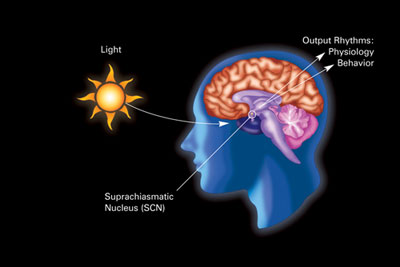
Natural sleep optimization is the process of improving sleep quality by restoring circadian rhythms and aligning light, darkness, and environmental signals with human biology. When these signals are consistent, mitochondrial function improves, melatonin is released on time, and sleep becomes deeper and more restorative.
Natural sleep improvement focuses on restoring the environmental signals that regulate energy, hormones, and cellular repair. At the center of this process are mitochondria, circadian timing, and the body’s redox balance. When these systems are aligned, sleep becomes deeper, more efficient, and naturally restorative.
The Body as an Electrochemical System
We often say, “I need to recharge my battery.” Biologically speaking, this metaphor is accurate. The human body functions as an integrated electrochemical system. Life depends on the controlled movement of electrons to power metabolism, regulate cellular signaling, and maintain tissue integrity.
This balance can be described using redox potential (reduction–oxidation potential). Redox potential reflects the relationship between electron availability and electron loss within biological systems. A higher, more favorable redox state indicates greater electron availability, improved mitochondrial efficiency, and increased resilience to oxidative stress.
When redox balance is maintained, physiology trends toward stable energy, reduced inflammation, efficient recovery, and high-quality sleep.
Redox Balance, Oxidative Stress, and Inflammation
Oxidation refers to the loss of electrons, while reduction refers to the gain of electrons. In excess, oxidation damages proteins, lipids, DNA, and—most critically—cell signaling pathways. Chronic oxidative stress disrupts communication between cells and appears clinically as inflammation, fatigue, hormonal imbalance, and poor sleep quality.
A body with a higher redox potential has greater access to free electrons and can direct them efficiently where needed, particularly within the mitochondria. This is why environments and behaviors that support redox balance are foundational to natural sleep optimization.
From Isolated Cells to Circadian Systems Biology
Traditional biology often describes the body as a collection of independent cells operating in relative isolation. Modern systems biology and circadian science present a different view: the body functions as a unified, electrically coordinated system.
Cells communicate through biochemical, electrical, and redox-based signaling. When environmental inputs—light, temperature, and electromagnetic conditions—are aligned with biology, this communication is coherent. When those inputs are distorted by artificial lighting, constant screen exposure, and non-native electromagnetic fields, signaling degrades. The result is physiological noise, perceived as stress, inflammation, and disrupted sleep.
Mitochondrial Health and Sleep
Mitochondria are commonly described as the powerhouses of the cell, but their role extends far beyond energy production. They regulate metabolism, redox balance, circadian signaling, and cellular repair.
Mitochondria respond directly to environmental cues, especially light and darkness. When these cues are consistent and natural, mitochondrial signaling supports efficient ATP production and robust melatonin release at night. When disrupted, sleep becomes shallow, fragmented, or delayed.
Optimizing sleep therefore begins with supporting mitochondrial health through circadian alignment.
Circadian Rhythms: The Master Regulator of Sleep
Circadian rhythms are 24-hour biological cycles that regulate sleep, hormones, metabolism, and body temperature. These rhythms are synchronized primarily by light exposure, but also by temperature changes and Earth’s natural electromagnetic environment.
Modern lifestyles—characterized by indoor living, artificial lighting, and constant connectivity—conflict with these ancient timing mechanisms. Natural sleep optimization requires restoring these signals so the body can accurately distinguish day from night.
1. Anchor Your Day With Morning Sunlight
One of the most effective ways to improve sleep naturally is to prioritize morning light exposure. Wake near sunrise and get natural sunlight into your eyes and onto your skin as early as possible.
Morning light suppresses melatonin at the correct time and programs its release later that evening. Rather than forcing sleep at night, focus on fixing your wake time. When circadian timing is correct, sleep onset becomes effortless.
2. Reduce Artificial Light at Night
Artificial lighting—especially blue-enriched LEDs and fluorescent bulbs—disrupts circadian rhythms and suppresses melatonin. Evening exposure to these light sources signals “daytime” to the brain, delaying sleep.
Use low-level red-spectrum lighting after sunset or wear blue-light–blocking eyewear. Eliminate all unnecessary light from the sleeping environment. Even small sources of blue light can meaningfully impair sleep quality.
3. Maximize Safe Sun Exposure During the Day
Daytime sunlight is a primary regulator of circadian rhythms and mitochondrial function. Expose as much skin as practical—without burning—to natural sunlight.
Specialized photoreceptors such as melanopsin, found in the eyes and skin, detect blue light during the day and help regulate the biological clock. Strong daytime signaling ensures robust nighttime melatonin production, supporting deep and restorative sleep.
4. Align Screen Light With Circadian Time
When screen use is unavoidable, adjust display settings or software to reduce blue light exposure in the evening. These tools shift color temperature based on time of day, partially mimicking natural light cycles.
While not a substitute for sunlight or darkness, circadian-aware screen settings are preferable to unfiltered exposure.
5. Rethink Sunglasses and Sunscreen Use
Excessive use of sunglasses and sunscreen blocks light frequencies essential for circadian signaling. Humans evolved under full-spectrum sunlight, and no other mammals require artificial eye shielding to maintain biological timing.
Instead of eliminating light exposure, allow gradual adaptation. Use hats for glare management and consider pinhole-style eyewear that reduces glare without blocking light entry. Light is biological information, not merely something to avoid.
6. Restore Contact With Earth’s Magnetism
Time spent on the ground—through barefoot walking, sitting, or sleeping outdoors—supports redox balance and circadian regulation. Earth’s electromagnetic environment, including the Schumann resonance (~7.83 Hz), aligns closely with relaxed alpha brainwave states.
Grounding allows electrons to enter the body through a different mechanism than sunlight, supporting mitochondrial function and nervous system regulation.
7. Reduce EMF Exposure and Increase Natural Inputs
Walk barefoot regularly. Open windows when possible. Reduce nighttime exposure to non-native electromagnetic fields by limiting wireless devices and unnecessary electrical circuits near sleeping areas.
Natural environments, especially forests, provide additional benefits through exposure to phytoncides—volatile compounds released by trees. These compounds are associated with reduced stress hormones, improved immune function, enhanced mood, and better sleep quality.
Periodic camping or extended time in low-EMF natural settings remains one of the most reliable ways to reset circadian rhythms.
Conclusion: Sleep as an Environmental Practice
Optimizing sleep naturally is not about supplements or sleep hacks. It is about restoring alignment between human biology and the environment it evolved within. By prioritizing circadian rhythms, supporting mitochondrial health, and maintaining redox balance through light, grounding, and natural timing, sleep becomes a predictable and restorative biological outcome rather than a nightly struggle.