



un Exposure During the Day
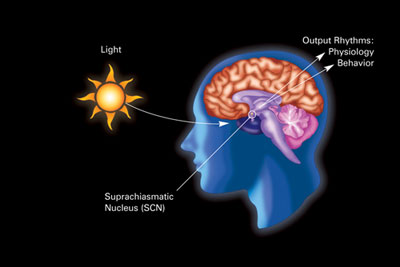
Daytime sunlight is a primary regulator of circadian rhythms and mitochondrial function. Expose as much skin as practical—without burning—to natural sunlight.
Specialized photoreceptors such as melanopsin, found in the eyes and skin, detect blue light during the day and help regulate the biological clock. Strong daytime signaling ensures robust nighttime melatonin production, supporting deep and restorative sleep.
4. Align Screen Light With Circadian Time
When screen use is unavoidable, adjust display settings or software to reduce blue light exposure in the evening. These tools shift color temperature based on time of day, partially mimicking natural light cycles.
While not a substitute for sunlight or darkness, circadian-aware screen settings are preferable to unfiltered exposure. Download the app: IRIS here for the best blue light filter and eye protection software.
5. Rethink Sunglasses and Sunscreen Use
Excessive use of sunglasses and sunscreen blocks light frequencies essential for circadian signaling. Humans evolved under full-spectrum sunlight, and no other mammals require artificial eye shielding to maintain biological timing.
Instead of eliminating light exposure, allow gradual adaptation. Use hats for glare management and consider pinhole-style eyewear that reduces glare without blocking light entry. Light is biological information, not merely something to avoid.
6. Restore Contact With Earth’s Magnetism
Time spent on the ground—through barefoot walking, sitting, or sleeping outdoors—supports redox balance and circadian regulation. Earth’s electromagnetic environment, including the Schumann resonance (~7.83 Hz), aligns closely with relaxed alpha brainwave states.
Grounding allows electrons to enter the body through a different mechanism than sunlight, supporting mitochondrial function and nervous system regulation.
7. Reduce EMF Exposure and Increase Natural Inputs
Walk barefoot regularly. Open windows when possible. Reduce nighttime exposure to non-native electromagnetic fields by limiting wireless devices and unnecessary electrical circuits near sleeping areas.
Natural environments, especially forests, provide additional benefits through exposure to phytoncides—volatile compounds released by trees. These compounds are associated with reduced stress hormones, improved immune function, enhanced mood, and better sleep quality.
Periodic camping or extended time in low-EMF natural settings remains one of the most reliable ways to reset circadian rhythms.
Conclusion: Sleep as an Environmental Practice
Optimizing sleep naturally is not about supplements or sleep hacks. It is about restoring alignment between human biology and the environment it evolved within. By prioritizing circadian rhythms, supporting mitochondrial health, and maintaining redox balance through light, grounding, and natural timing, sleep becomes a predictable and restorative biological outcome rather than a nightly struggle.
Recommended products
-

Book: A Rewilder’s Guide to Outdoor Adventure
$24.00 -
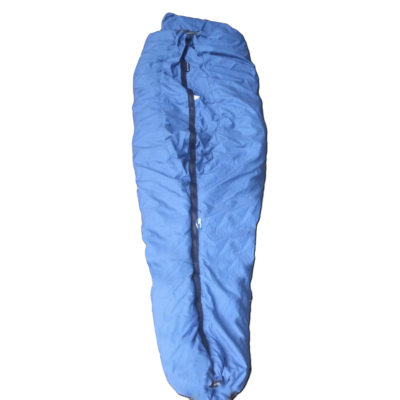
Wool Sleeping Bag – Lightweight – The ReWilder
Price range: $557.00 through $872.00 -

Organic Wool Sleeping Pad
Price range: $150.00 through $1,100.00 -

Dust Cover Sleep Sack
Price range: $340.00 through $380.00 -

Camp Pillow
$40.00