



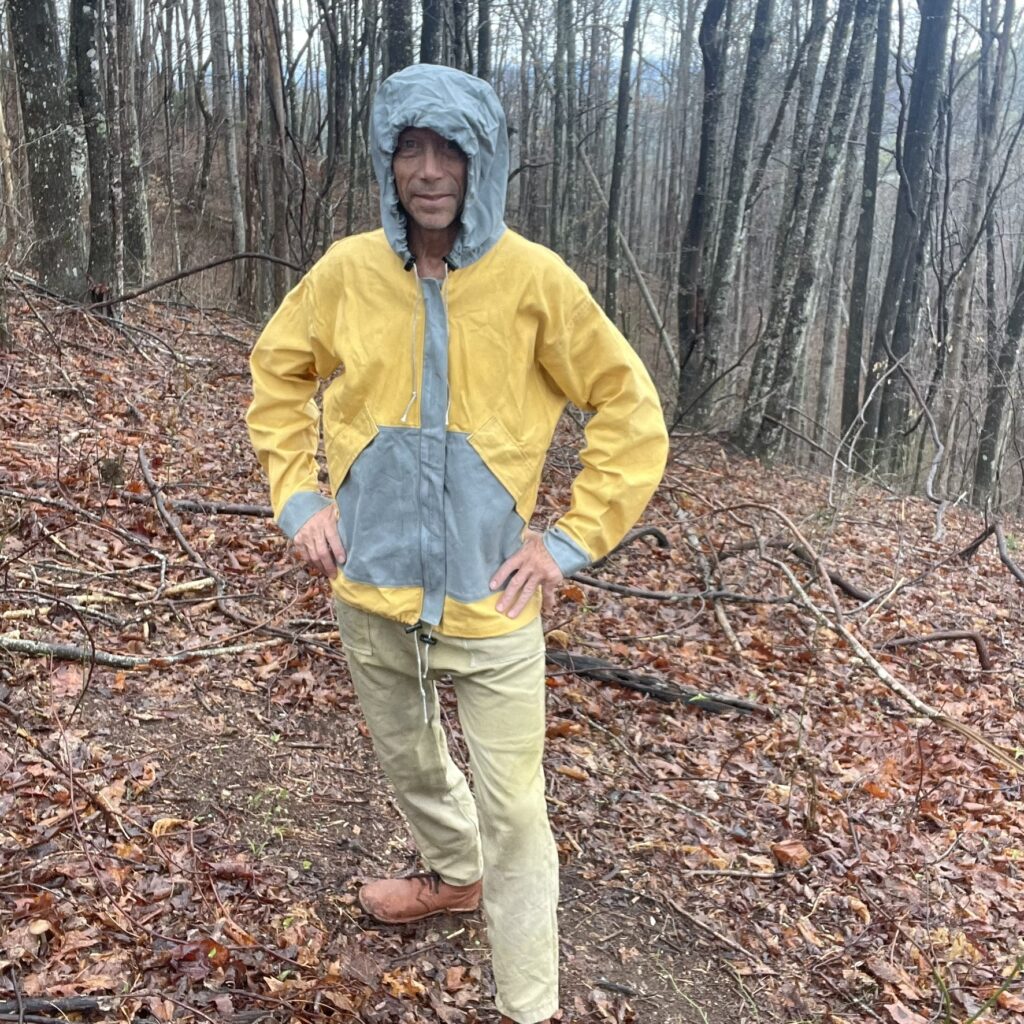
Choosing a Wind and Rain Shell — without synthetics
- See Part One: Rewilding Your Outdoor Clothing – Wool Base Layers and Skin Physiology
- See Part Two: Rewilding Your Outdoor Clothing – Insulation, Loft, and Heat Retention
Why the Shell Layer Matters More Than You Think
Modern Outdoor clothing systems rely on synthetic rain shells. These have one major drawback: lack of breathability. Even if the material is advertised as ‘breathable’, the reality is, they don’t work when soaked through. That is, the breathability only works in dry weather. But when you need rain protection the most, they fail miserably.
Not because they let rain in—but because they trap heat, moisture, and sweat inside the body at exactly the wrong times.
When you are beyond the trailhead, your clothing becomes your shelter. Wind, rain, humidity, and exertion levels change constantly, and your shell layer determines whether your body can adapt or begins to spiral toward overheating, chilling, or exhaustion.
A Hard Lesson in Wind, Cold, and Judgment
In May of 1984, I took part in a six-week outdoor leadership training expedition in the Shining Rock Wilderness of Nantahala National Forest, led by Paul Petzoldt. Twenty-one of us were training in what was essentially the backyard of where I grew up in Cullowhee, North Carolina.
We packed for spring.
We got winter.
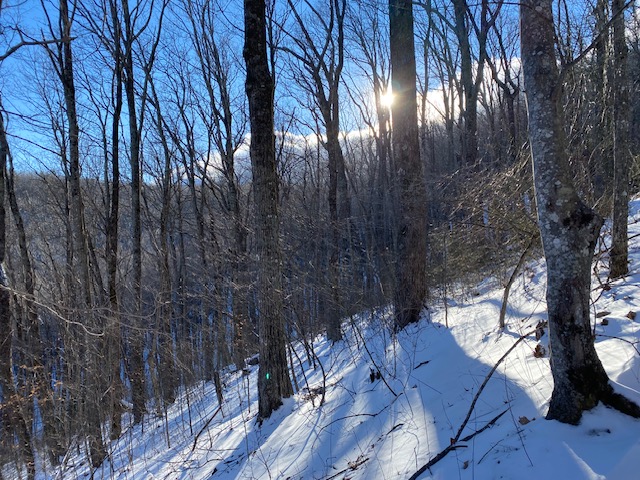
A sudden storm coinciding with a lunar eclipse brought extreme wind, freezing temperatures, and equipment failures. Tents collapsed. A student was injured and evacuated. We spent a sleepless night shivering as violent gusts hammered our camp.
By morning, the sky was crystal clear—but the freezing wind was whipping at our tents and two were blown away completely. Water bottles were frozen solid. Wind kept us tent-bound.
Later, sheltered in a south-facing rock overhang, Paul Petzoldt began teaching. His first statement was simple:
“I made a mistake.”
We had camped in a wind tunnel near Devil’s Courthouse. This is a place where high winds are likely, at the tops of ridges. We should have moved lower on the ridge, which is a wise practice during winter and shoulder seasons. From there, we examined judgment, preparedness, emergency planning—and gear. What worked. What failed. Why.
That lesson shaped everything I’ve studied since about clothing systems.
Beyond the Trailhead: Clothing as Homeostasis Control
Once you are beyond the trailhead, you enter an environment where:
- Wind chill fluctuates constantly
- Humidity shifts hour to hour
- Exertion rises and falls unpredictably
- Weather systems overlap rather than resolve cleanly
- There are no buildings to hide us from the elements
Your clothing is how you regulate homeostasis—your internal balance of heat, moisture, and energy.
This is why outdoor gear cannot be evaluated in single-condition scenarios. Real performance emerges only across changing conditions.
What Is the Shell Layer?
The shell layer is the outermost clothing layer designed to protect the body from wind and precipitation while allowing excess heat and moisture to escape.
That last clause is where most modern shells fail.
The Fundamental Problem With Synthetic Shells
The prevailing logic of modern outdoor gear is simple:
If it keeps rain out, it must be working.
This logic ignores how the human body produces heat and moisture.
The Breathability Bottleneck
Most synthetic shells—including “breathable” membranes like Gore-Tex—operate within a narrow thermal window:
- Near or below freezing, they often perform adequately
- As temperature or exertion rises, breathability collapses
- Sweat accumulates faster than it can escape
- Moisture becomes trapped against the skin
- When thoroughly wet through, they are no longer breathable
At that point, the jacket stops being technical.
This is the point of diminishing returns:
The shell blocks rain—but traps perspiration. When exertion drops or wind increases, trapped moisture accelerates heat loss and chilling.
Why Wind Protection Is Often More Important Than Waterproofing
In many backcountry situations, wind—not rain—is the primary driver of heat loss.
What the body often needs is:
- High breathability
- Moderate wind resistance
- Dynamic moisture release
This combination is rare in modern synthetic shells.

Rethinking “Evil Cotton” (Contextual Performance)
Cotton has been universally dismissed in outdoor culture—and for good reason in wet, cold conditions. Wet cotton can be dangerous.
However, in dry or variable conditions, a tightly woven cotton windbreaker can outperform synthetic shells by:
- Allowing exceptional airflow
- Blocking wind effectively
- Regulating temperature naturally during exertion
In those conditions, cotton becomes technical in a biological sense, even if it fails the modern marketing definition.
The limitation is water.
Oil Cloth: The Forgotten Shell Layer (Featured Snippet Target)
Oil cloth is cotton or hemp fabric treated with oils or waxes—traditionally beeswax—to create a wind-resistant, water-repellent, and highly breathable shell.
This technique predates modern outdoor fabrics by centuries.
Why a Beeswaxed Cotton Shell Works
A properly made oil cloth windbreaker:
- Blocks wind without sealing the fabric
- Repels rain rather than absorbing it
- Allows body heat and moisture to escape
- Maintains comfort across wide temperature swings
Even when damp, it continues to function. The shell may be wet while your core temperature remains stable.
Practical Use in the Backcountry
A beeswaxed cotton or hemp shell can be:
- Worn over wool base and insulation layers
- Worn wet while hiking until it dries
- Hung over a pack, tree limb, or clothesline
- Packed externally so it dries while moving
Because it is thin and without a liner, it dries quickly. Beeswax resists water absorption without creating a vapor barrier. This releases vapor from the inside and keeps large water droplets of rain on the outside.
Multi-Use Advantage (Lightweight Strategy)
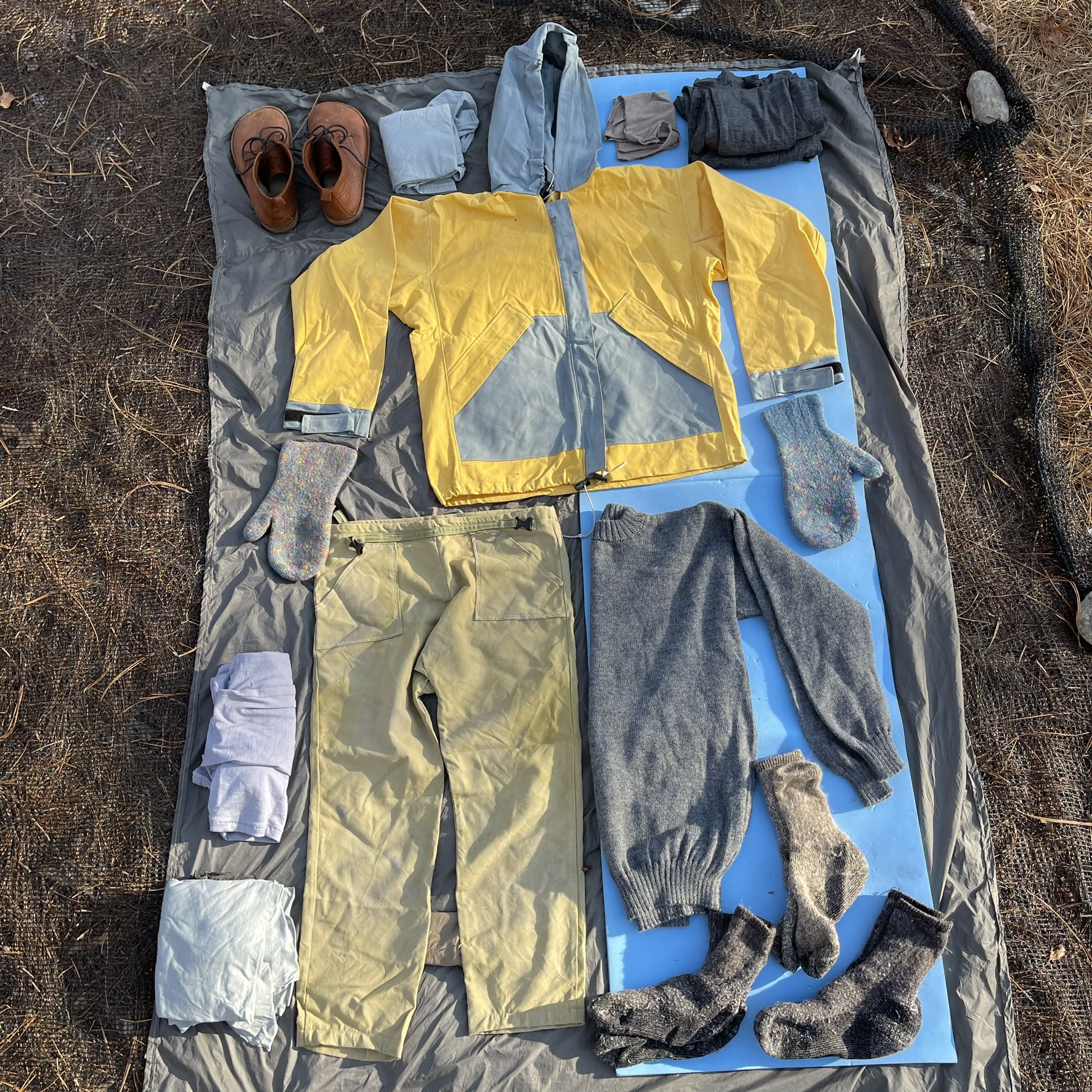
A breathable oil cloth shell can replace multiple garments:
- Shell layer in wind and rain
- Breathable shirt in fair weather
- Comfortable sleep layer when dry
This reduces redundant clothing and supports minimalist packing without sacrificing comfort or adaptability.
Letting Go of Absolutes: Getting Wet Strategically
During a summer thunderstorm hike, I wore my last synthetic item—a “breathable” Gore-Tex parka over a merino base layer. I overheated badly.
Eventually, I removed the parka and let myself get soaked.
I was cold and wet—but more comfortable than being hot and wet.
That moment clarified the real goal:
The goal is not dryness.
The goal is homeostasis.
Temperature regulation requires airflow, moisture movement, and ventilation—not just barriers.
Integrating the Full Natural Fiber Clothing System
When you combine:
- Wool base layers (see Rewilding Your Outdoor Clothing – Wool Base Layers and Skin Physiology)
- Breathable natural insulation (see Rewilding Your Outdoor Clothing – Insulation, Loft, and Heat Retention)
- A wind-adaptive, breathable shell layer
You arrive at a Natural Fiber Outdoor Dress System that works with biology and physics rather than against them.
It is adaptable rather than rigid.
Forgiving rather than fragile.
And effective across real, changing conditions.
Up Next in the Series
Next, I will bring all layers together into a complete field-tested clothing system, including packing strategy, seasonal adjustments, and decision-making beyond the trailhead.
Recommended products from Lucky Sheep
-
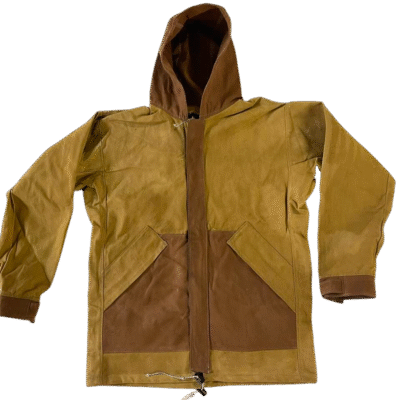
Waxed Canvas Rain Jacket
$525.00 -

Book: A Rewilder’s Guide to Outdoor Adventure
$24.00 -
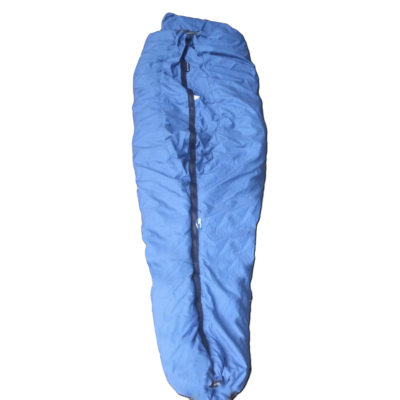
Wool Sleeping Bag – Lightweight – The ReWilder
Price range: $557.00 through $872.00 -
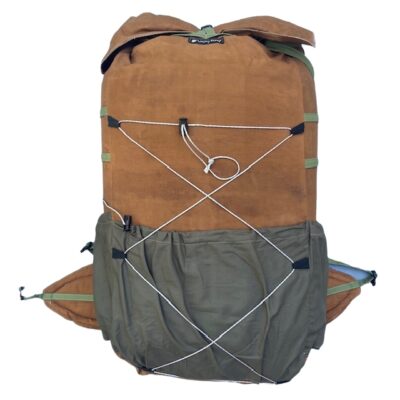
Canvas Backpack 65 Liters
$350.00 -
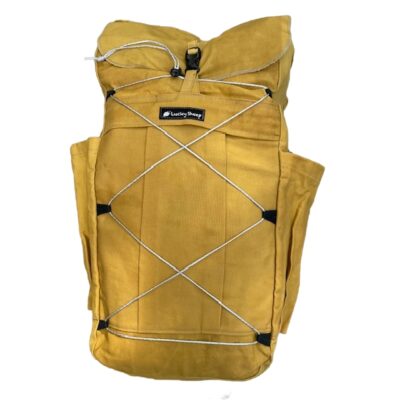
Eco-Friendly Canvas Daypack
$249.00