How to Build a Natural Fiber Outdoor Wardrobe That Actually Works
Introduction
A natural fiber outdoor wardrobe works best when clothing is treated as a system rather than individual garments. By using breathable materials like wool and waxed cotton, the body can regulate moisture and temperature more effectively, supporting comfort, adaptability, and long-term outdoor vitality across changing conditions.
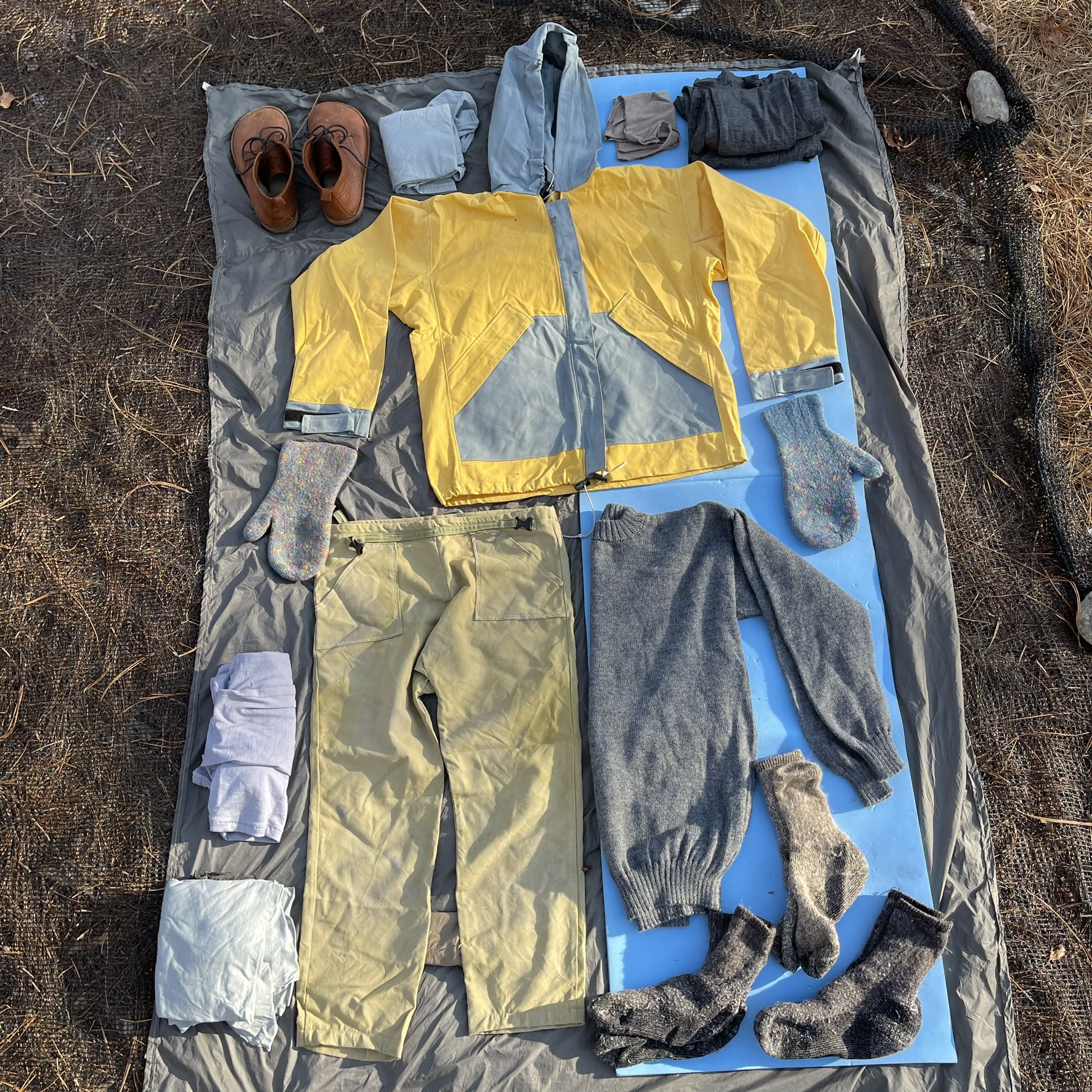
Complete natural fiber backpacking clothing: Minimalist barefoot shoes, merino scarf and hat, merino base layer bottoms, beeswax canvas parka, wool felted mittens, worsted wool pants, alpaca sweater, merino base layer tops, alpaca socks.
A natural fiber clothing system manages moisture, air, and heat together, rather than relying on isolated “technical” pieces.
Most outdoor clothing failures occur not because a garment is poorly made, but because it is removed from context. Clothing functions as an integrated interface between body and environment. Each layer influences how the others perform.
A successful system manages:
Moisture (liquid sweat and vapor)
Airflow and wind
Heat retention and release
Freedom of movement
Modern outdoor marketing emphasizes standalone performance pieces. Rewilding requires returning to layer logic, where garments cooperate rather than compete. For example, the every day synthetic and down jacket acts as a wind barrier and an insulation layer. Sometimes you don’t want them both together to avoid trapping moisture and overheating/sweating. Also, any synthetic pile or down puffy jacket will not wick moisture and offer the breathability of wool.
See: The Art of Forest Bathing
Base Layers: Where Rewilding Begins
The base layer is the most important component of a natural fiber outdoor clothing system because it regulates moisture and temperature directly against the skin.
Primary role: moisture and vapor management Best material: merino wool, alpaca, or worsted wool
A base layer must be:
Thin and lightweight
Stretchable without compression
Close-fitting but non-restrictive
Merino wool excels because it manages insensible perspiration—moisture vapor released before sweat is visible. Unlike synthetic fabrics, wool absorbs and releases this vapor through the fiber itself, stabilizing the microclimate next to the skin.
Practical observations after removing synthetic base layers:
Less clamminess during exertion
More stable warmth during rest
Faster thermal recovery after stopping
Seasonal note: lightweight merino works well in warm and shoulder seasons; midweight layers support winter conditions.
Insulation Layers: Replacing Synthetic Fleece with Wool
Wool insulation works by trapping air without trapping moisture, which is why it remains effective across a wider range of conditions than synthetic fleece.
Primary role: air trapping Best material: wool sweaters and pullovers
Insulation is not about bulk—it is about air structure. Wool’s natural crimp creates thousands of small air pockets that retain heat while still allowing vapor to escape.
A highly effective approach is graduated wool layering:
Synthetic fleece insulates well initially but often fails during stop-and-go activity due to moisture accumulation. Wool insulates even when damp and dries gradually, maintaining comfort.
Pants Matter More Than Most People Think
Leg clothing plays a critical role in thermoregulation because movement-generated heat depends on circulation and breathability.
Primary role: thermal regulation during movement Best materials: wool pants, wool overshirts, hemp–wool blends
Common failures include:
Synthetic pants which trap moisture from exertion
Denim or canvas that restrict movement and absorb moisture
Overbuilt garments that trap heat and don’t allow layering
Wool pants and overshirts:
Breathe during exertion
Insulate during rest
Allow unrestricted movement
Freedom of movement is a thermal strategy. Restricted motion reduces circulation and heat production. Properly cut wool garments support natural stride, squatting, and climbing.
See An Intro to: barefoot walking or natural movement article)
Wind Layers Without Suffocation
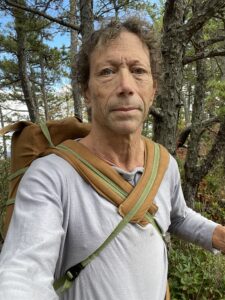
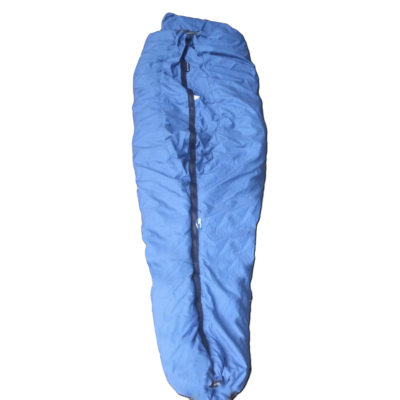
Here I am wearing my entire winter hiking wardrobe: merino base layer top and bottom, worsted wool pants, woven wool sweater, waxed canvas rain shell, merino buff and scarf, and I am holding my lightweight wool sleeping bag.
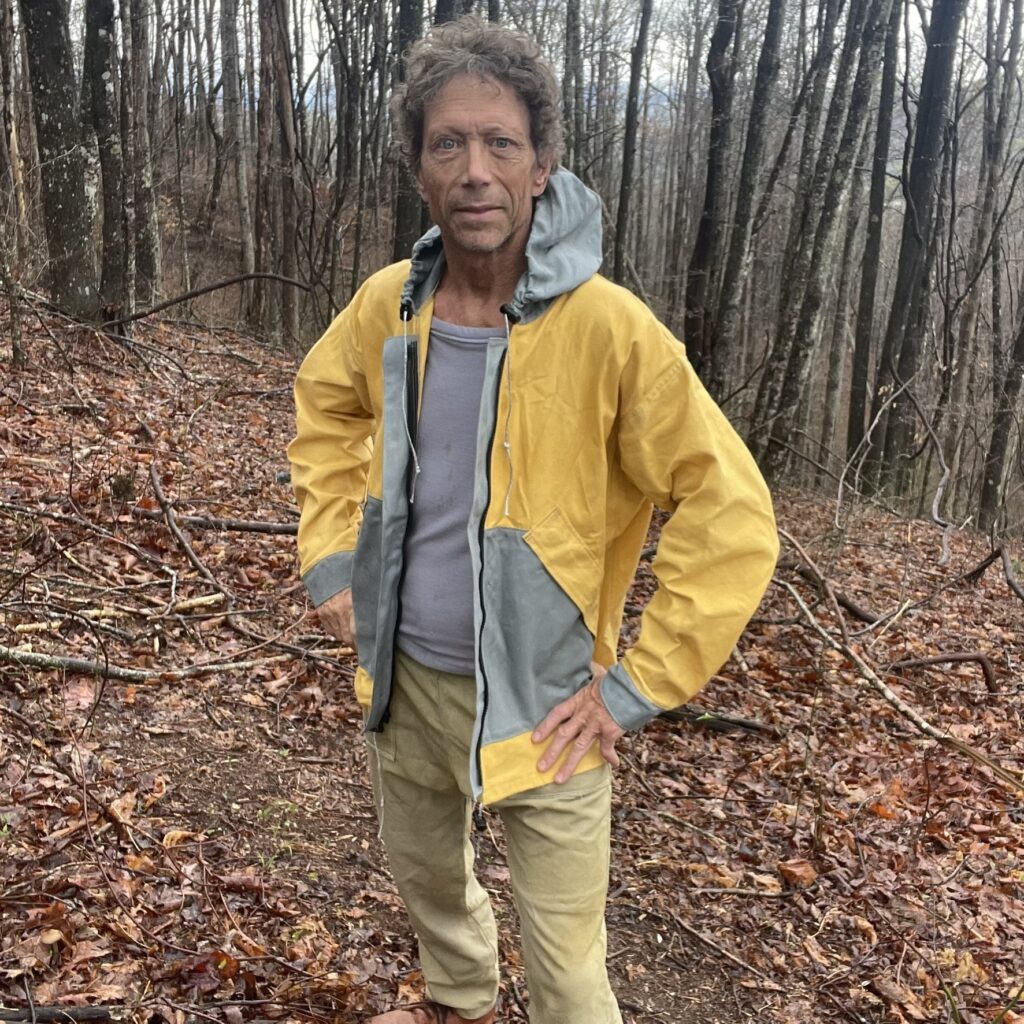
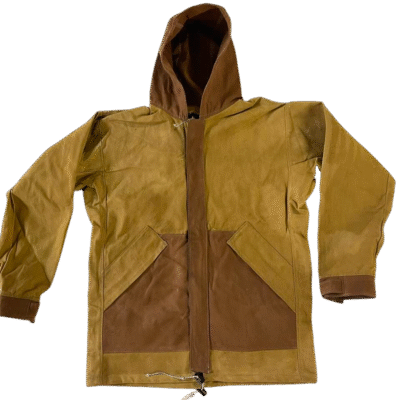
This shows my waxed canvas rain parka worn under a merino base layer shirt, wool pants, and minimalist barefoot leather shoes on a 55 degree day.
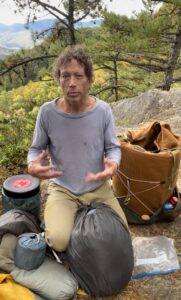
This shows my complete gear on a backpacking trip.
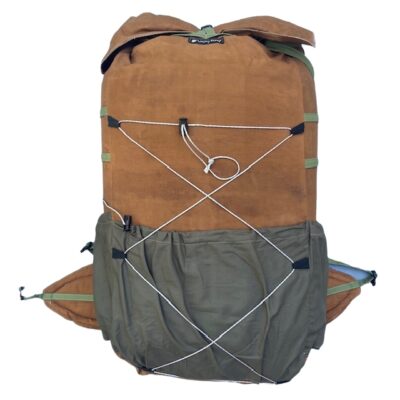
Warmer weather allows wearing only the base layer top. I also keep a short sleeve version for even warmer temps. Here I am wearing the Lucky Sheep waxed canvas backpack.
Store the extra clothing safely inside a silnylon or similar waterproof stuff sack.
A breathable wind layer should block wind without sealing moisture inside the clothing system.
Primary role: wind protection Key distinction: wind control is not rain control, but they go hand in hand.
Wind strips heat faster than cold alone. Historically, tightly woven wool or cotton provided wind resistance while remaining breathable. Some were treated with wax or oil, but the core function remained vapor-permeable protection.
Modern synthetic windbreakers often seal the system completely. While effective in extreme exposure, they can destabilize thermoregulation during moderate activity.
A functional wind layer should:
Reduce wind penetration
Allow moisture vapor to escape
Be used situationally, not constantly
Rain systems are a separate issue and deserve focused attention (covered in Part Three).
When Synthetic Still Has a Place
Strategic use of synthetic materials can complement a natural fiber system without undermining it.
Synthetic shells currently excel at full waterproofing. In extended cold rain or emergency conditions, they are appropriate and sometimes necessary. Also, your waxed canvas jacket can be extra waxed before a trip to offer more thorough protection.
The key difference is use versus dependence:
Use synthetic shells which are non breathable on outdoor event requiring full waterproofing. These are often when there are long periods of non-extertion.
Remove them when conditions allow
Avoid wearing them by default
Rewilding is adaptive, not ideological.
Seasonal Adjustments in the Southern Appalachians
Wool-based systems perform exceptionally well in climates with rapid temperature and humidity shifts.
The Southern Appalachians present:
Hot, humid summers
Cold, wet winters
Long shoulder seasons
Fog, dew and mist commonly
Humid microclimates near streams and creeks
Wool adapts across these conditions without constant wardrobe changes. Adjustments are made by:
A functional natural fiber clothing system supports stable body temperature and efficient recovery.
Signs of success:
Stable warmth without overheating
Lower perceived exertion
Reduced odor and clamminess
Faster recovery after stopping
Signs of failure:
Sudden chills after exertion
Persistent dampness
Elevated heart rate unrelated to effort
Feeling sealed off from the environment
These failures often indicate what I described in Part One as synthetic stress—a breakdown in thermoregulation caused by trapped humidity.
(Internal link suggestion: Part One — moisture wicking vs breathability)
Rewilding your outdoor clothing is not about rejecting modern knowledge. It is about remembering what works when clothing supports—rather than overrides—the body’s intelligence.
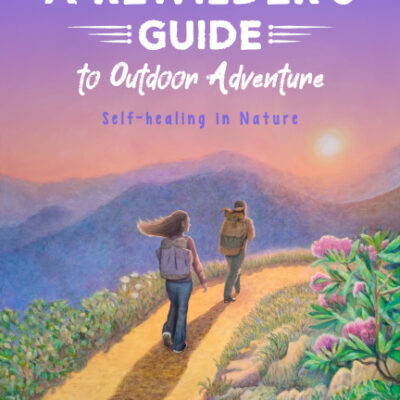
Much of what I outline here is explored more fully in my book:A Rewilder’s Guide to Outdoor Adventure, where clothing systems, sleep systems, Forest Bathing, and self-healing are woven into a single, lived framework.
In Part Three, I will address rain systems directly—how to stay dry without defaulting to plastic dogma or losing breathability altogether.