



The Art of Rest, Vitality, and Freedom
A beginner’s guide to sleeping outdoors using natural materials, ancestral practices, and minimalist gear.
How I Learned to Sleep Outdoors
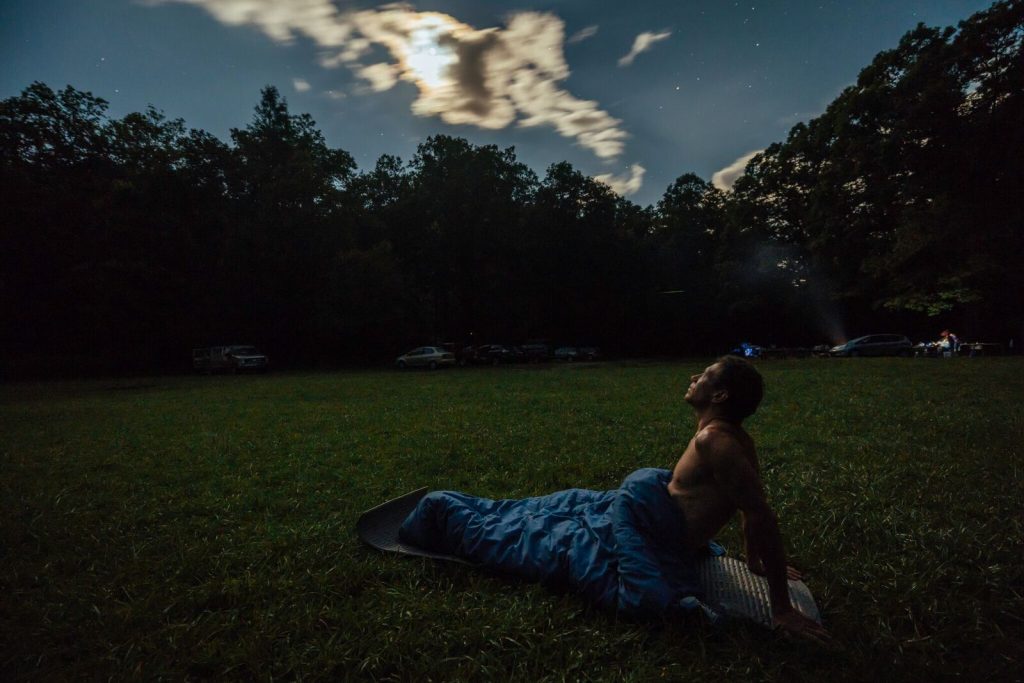
When I was fifteen, I began sleeping outside on the lawn of the apartment complex where I lived. It felt bold, even slightly transgressive—dragging a sleeping pad and bag into a shared public space where dozens of neighbors’ windows looked on. But it was worth it.
I slept more deeply. I woke up clearer, more alert, and more alive.
Over the years, I refined this practice and developed a style I call Natural Camping—a way of sleeping outdoors that prioritizes health, vitality, and freedom over excess gear and rigid goals. It is minimalist but not austere, rooted in natural materials and biological rhythms rather than modern convenience.
Think barefoot walking, forest bathing, cold-water exposure, circadian alignment, and earthing.
Decades later, movements such as Rewilding, Paleo, and modern circadian science would begin to validate what many of us discovered instinctively: sleeping outdoors works. Many people who love to camp still find it difficult to sleep outside comfortably. I have taken the Art of Sleeping Outside even further by incorporating sleep-enhancing principles and gear which align the body, open breathing channels, and optimize circadian rhythms using ancestral principles.
Why Sleeping Outdoors Works
The idea that first led me here came from reading about Native American lifeways. Walking barefoot and sleeping directly on the earth were described as sources of vitality, resilience, and strength.
Soon I was exploring wild places by foot and bicycle, disappearing into the Kansas countryside, seeking spaces far from houses and people. The key to this freedom was simple: knowing how to sleep outdoors safely and comfortably.
Sleeping outside, for me, was never just about sleep. It was about being with the night—stars and planets, clouds and wind, fog or rain. It was about being with the living Earth, without walls or roofs between us.
Benefits of Sleeping Outdoors
Sleeping outdoors naturally offers benefits that are difficult—or impossible—to replicate indoors:
- Earthing (grounding) supports circadian rhythm regulation through direct contact with the Earth.
- Reduced exposure to indoor electrical wiring, allowing the nervous system to relax.
- Negative ions from moisture in the air enhance grounding and calm.
- Fresh air increases oxygen exchange and respiratory efficiency.
- Distance from toxic building materials and endocrine-disrupting off-gassing.
- Firm sleeping surfaces allow gentle spinal sub-flexion through natural breathing.
- Cooler nighttime temperatures promote relaxation through cold thermogenesis.
- A sense of oneness from reconnecting with our biological source.
- Attunement to lunar and seasonal cycles.
- The primal experience of living with almost nothing.
How to Sleep Outdoors: A Beginner’s Guide
1. Start with the right gear.
A Simple Outdoor Sleeping Gear Checklist
- Wool Sleeping Bag – moisture-regulating, non-toxic, and temperature-stable
- Wool Felt Sleeping Pad – firm support and insulation from the ground
- Canvas or Tarp Shelter – breathable protection from wind and rain
- Merino Wool Base Layers – warmth without overheating
- Merino Bandana or Eye Cover – light management for deeper sleep
- Netting if needed for bugs.
These items form a simple, modular system that supports deep, restorative sleep.
Recommended products for Outdoor Sleeping
-
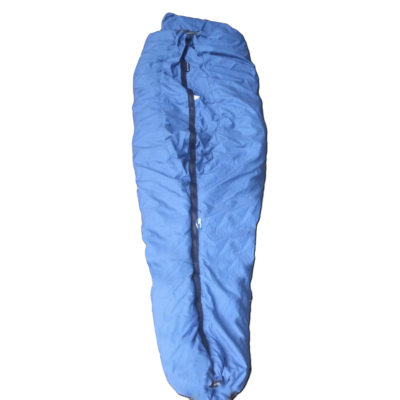
Wool Sleeping Bag – Lightweight – The ReWilder
Price range: $557.00 through $872.00 -
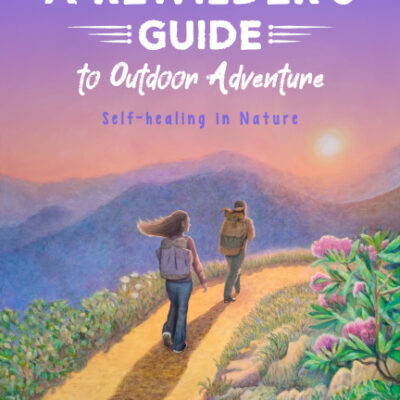
Book: A Rewilder’s Guide to Outdoor Adventure
$24.00 -
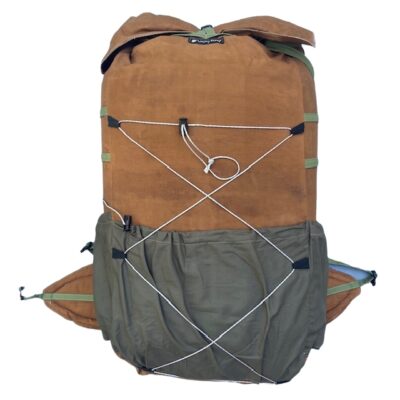
Canvas Backpack 65 Liters
$350.00 -
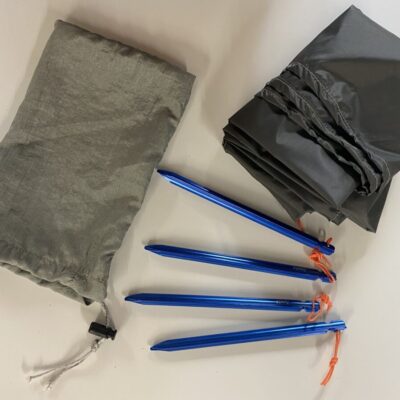
Silnylon Ground Sheet
$60.00 -
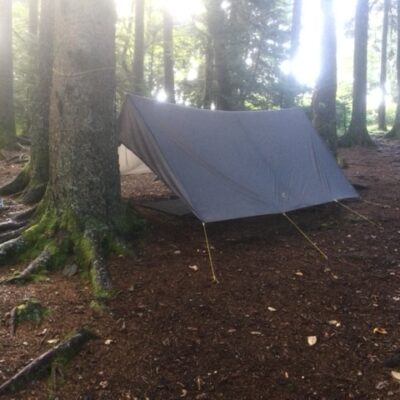
Silnylon Tarp
$300.00
1. Choose the Right Location
If you have a private backyard, porch, or deck, you are already ahead. Be mindful of hazards such as power lines, transformers, or air conditioners that generate electromagnetic fields, which can interfere with grounding benefits.
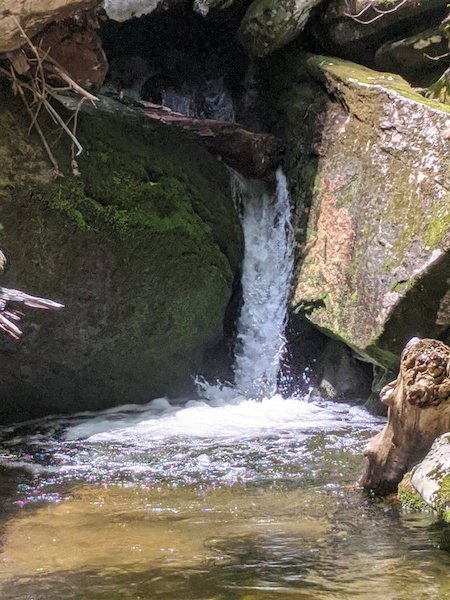
When camping, look for sites near creeks or waterfalls when possible. Campsite selection is an art: some locations encourage deep rest, while others disrupt it. Avoid broken limbs or leaning trees (“widow makers”), geopathic stress zones, and areas prone to flooding.
A slight incline—with your head uphill—can improve circulation and reduce heart rate. A slope of up to about 11 degrees (one to six inches of rise) is ideal.
Airflow matters. Seek open forests with tall trees and minimal undergrowth. Moving air discourages mold and increases vitality. Follow Leave No Trace principles and camp at least 200 feet from trails when possible.
2. Prepare for Dew and Frost
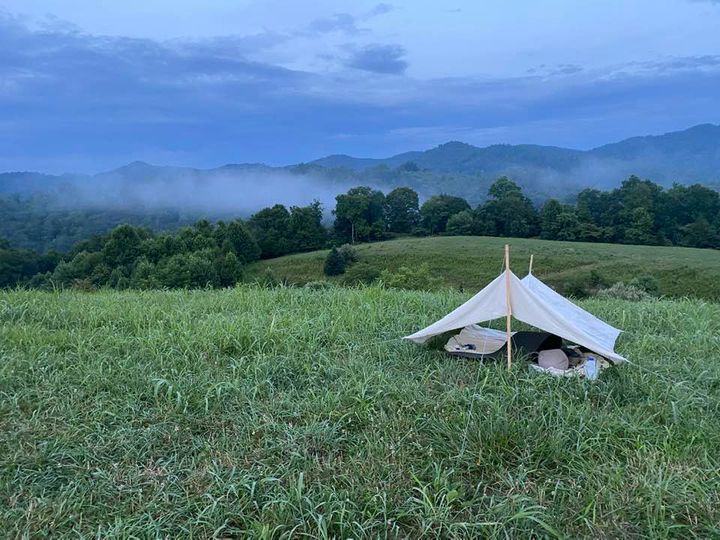
Open meadows offer spectacular night skies but often bring heavy dew. Wool bedding is essential. Unlike cotton, down, or synthetics, wool insulates and wicks moisture even when wet. You can wake up dry inside your sleeping bag, unaware the landscape is soaked in fog.
3. Use Simple Rain Protection
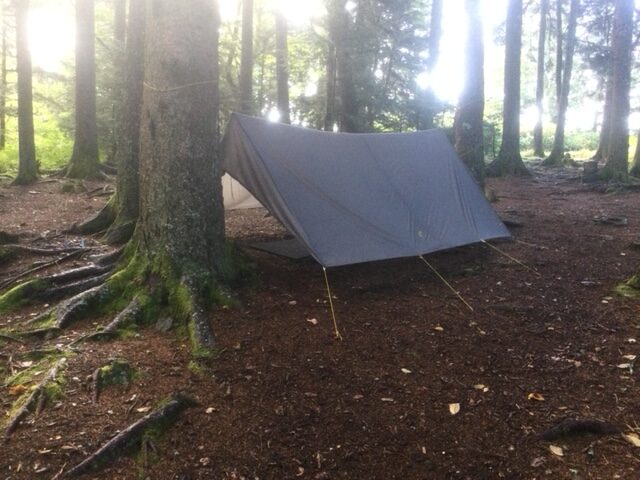
For backpacking, my preferred shelter is a lightweight rain tarp paired with a ground cloth and closed-cell foam pad. Tarps offer excellent ventilation and weather protection with minimal weight.
For non-backpacking camping, canvas is unmatched. Canvas blocks wind and rain while allowing continuous airflow—almost as good as sleeping under open sky. A canvas pyramid tent creates an ideal outdoor sleeping environment.
4. Learn to Sleep Comfortably on a Firm Surface
Firm sleeping surfaces increase breathing capacity, deepen sleep, and gently mobilize the spine throughout the night. Training indoors—using simple padding instead of thick mattresses—prepares your body for outdoor sleep. See Rewilding Your Sleep Surface for a complete guide.
While hammocks work for some, ground sleeping allows greater freedom of movement and spinal benefit. A closed-cell foam pad or wool felt sleeping pad provides sufficient insulation and comfort.
5. Train Indoors for Sleeping Outside
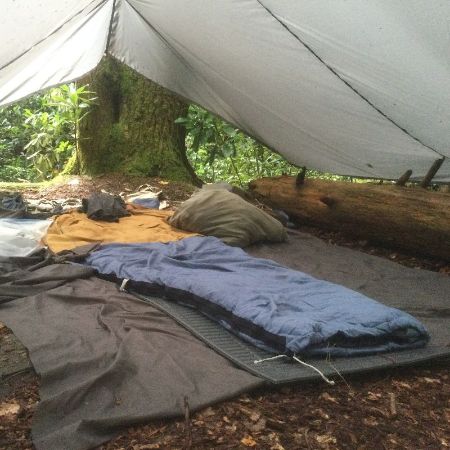
Prepare your body by keeping windows open, sleeping in cooler temperatures, or setting up a backyard tent or tarp. These practices acclimate both body and nervous system to outdoor conditions.
6. Overcome Fear of the Night
Fear of animals or darkness is primal and natural. Education and preparation—such as proper food storage in bear country—reduce real risk.
Most fear dissolves with experience. One night sleeping outside without a tent is often enough to prove you are safe. Over time, vigilance becomes trust, and trust becomes ease.
7. Manage Insects Naturally
Insects are often the greatest deterrent to sleeping outdoors. Use netting, protective clothing, and herbal repellents such as citronella or lemongrass. Avoid toxic chemical sprays that undermine the health benefits of outdoor living.
Wool bedding allows you to cover your head without moisture buildup from breathing.
8. Set Your Circadian Rhythm Before You Go
You can optimize outdoor sleep by aligning your lifestyle ahead of time:
- Avoid blue light at night (Computer and phone screens, artificial lighting)
- Keep a regular sleep schedule
- Eat unprocessed, primal foods
- Practice gradual cold exposure
- Get morning sunlight
- Walk barefoot and minimize EMF exposure
- Move naturally throughout the day
9. Reduce Noise and Light Exposure
Nature is unpredictable. Silicone earplugs help with wind and rain noise. For light, cover your eyes with spare clothing or a merino bandana.
A Rewilder’s Guide to Outdoor Adventure: Self Healing in Nature
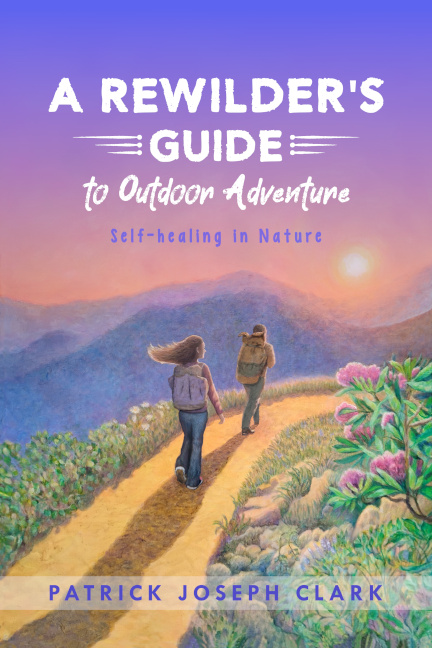
Book: A Rewilder’s Guide to Outdoor Adventure
Reconnect with your wild, capable self!
Modern life has pulled us away from the natural rhythms that once kept us grounded—physically, mentally, and spiritually. The Rewilder’s Guide to Outdoor Adventure is a revolutionary book for anyone seeking to align with nature, improve outdoor performance, and heal through the wild.
Whether you’re a barefoot hiker, eco-conscious backpacker, or simply interested in ancestral health, this guide will help you adopt ancestral and paleo health practices into your outdoor experiences.
Why Natural Outdoor Gear Matters
Today’s high-tech gear culture often sacrifices comfort, health, and connection to the environment in favor of weight savings. Synthetic fabrics trap moisture, disrupt thermoregulation, and expose adventurers to harmful chemicals.
This book offers a non-toxic, natural fiber-based gear philosophy that rivals the lightness of modern equipment but far exceeds it in performance, comfort, and circadian-friendly wellness.
Conclusion: Sleeping Outdoors Is a Birthright
I have met people who have never slept outdoors—and others who react with fear, concern, or quiet envy. The truth is simple: you can learn how to sleep outdoors. The barriers are mostly psychological and logistical.
Sleeping outside dissolves fear and separation from nature. It restores confidence, vitality, and a deep sense of belonging. It is as natural as walking.
Some say, “I feel sorry for you out there alone in the cold.”
My reply is always the same: I am not alone. I am with the entire universe—with the dew forming, the frost painting my sleeping bag, the moon and stars sailing overhead. I feel the air teaching me how self-reliant I am. There is nothing to fear.
Sweet dreams.
Frequently Asked Questions About Sleeping Outdoors
Is it safe to sleep outdoors?
Yes, sleeping outdoors is generally safe when you choose your location carefully, follow basic wilderness etiquette, and understand local wildlife. Most perceived danger comes from unfamiliarity rather than real risk. With experience, confidence replaces fear.
What is the best way to sleep outdoors for beginners?
The best way to sleep outdoors for beginners is to start close to home—such as a backyard or porch—using simple, natural gear. Focus on warmth, moisture management, and airflow. Wool bedding, a firm sleeping surface, and a tarp or canvas shelter make the transition easy.
Can you sleep outdoors without a tent?
Yes. Many people sleep outdoors without a tent using a tarp, bivy, or even open sky when conditions allow. Tarps provide excellent rain protection and airflow while maintaining a strong connection to nature.
What is the best bedding for sleeping outdoors?
Wool is the best natural material for sleeping outdoors. It insulates even when wet, regulates temperature, resists odor, and manages condensation far better than down or synthetic materials.
How cold is too cold to sleep outdoors?
Cold tolerance varies by individual, conditioning, and gear. With proper insulation, wind protection, and acclimation, people safely sleep outdoors in temperatures far below freezing. Beginners should start in mild conditions and gradually expand their comfort range.