The Rewilder Journal

Wool & Moisture: How Wool Handles Cold, Damp and Wet

Heat of adsorption, damp weather, breathing inside the bag: why wool works when the air is wet.

Most cold nights are really damp nights. This is the science of why wool handles them.

Wool takes water vapor into the fiber and gives off heat as it does — the heat of adsorption — which is why a wool bag still feels warm when the air is wet and a synthetic one feels clammy. These articles explain why damp weather feels colder, how sleeping bag temperature ratings are tested and what they leave out, and the honest trade-offs in wool vs down sleeping bags: weight, loft, wet performance and cost.

If you are weighing a wool bag for backpacking, read how much a wool sleeping bag weighs first — we give the real numbers, including where wool is heavier.

All Wool & Moisture articles

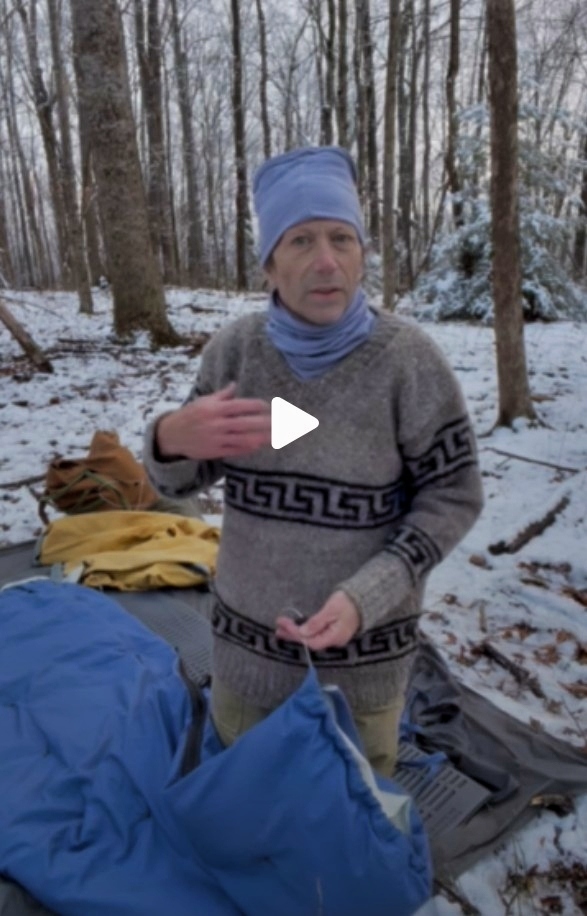
Trailblazer Sleeping Bag Demo

[New] Weatherwool Sleeping Bag We are rolling out the next evolution in sustainable sleeping bag design.  This is the same trusted design as the Rewilder with a powerful new material. We’ve upgraded our signature sleeping bag with a Weatherwool liner for next-level comfort and performance. Enjoy stronger wicking, faster breathability, greater durability, and the same ultralight feel as before —

Trailblazer Sleeping Bag Demo Read More »

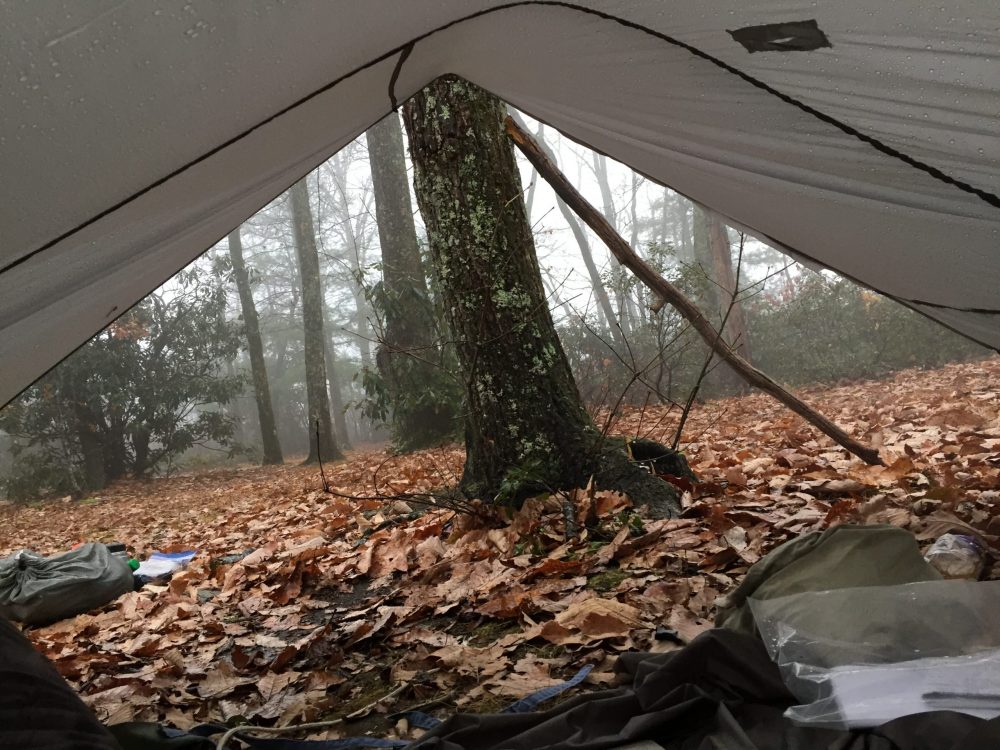
Why Damp Weather Feels Colder (and Why Wool Still Insulates Wet)

Why does damp weather feel colder? Forty degrees and raining will chill you faster than twenty degrees and clear—anyone who has spent a November night in the Southern Appalachians knows it in their bones. The plain answer is that damp air and damp clothing take more of your body’s heat to warm than dry air

Why Damp Weather Feels Colder (and Why Wool Still Insulates Wet) Read More »

Shopping Cart