















Canvas vs. Synthetic Tents
Weight & Intended Use
Canvas Tents
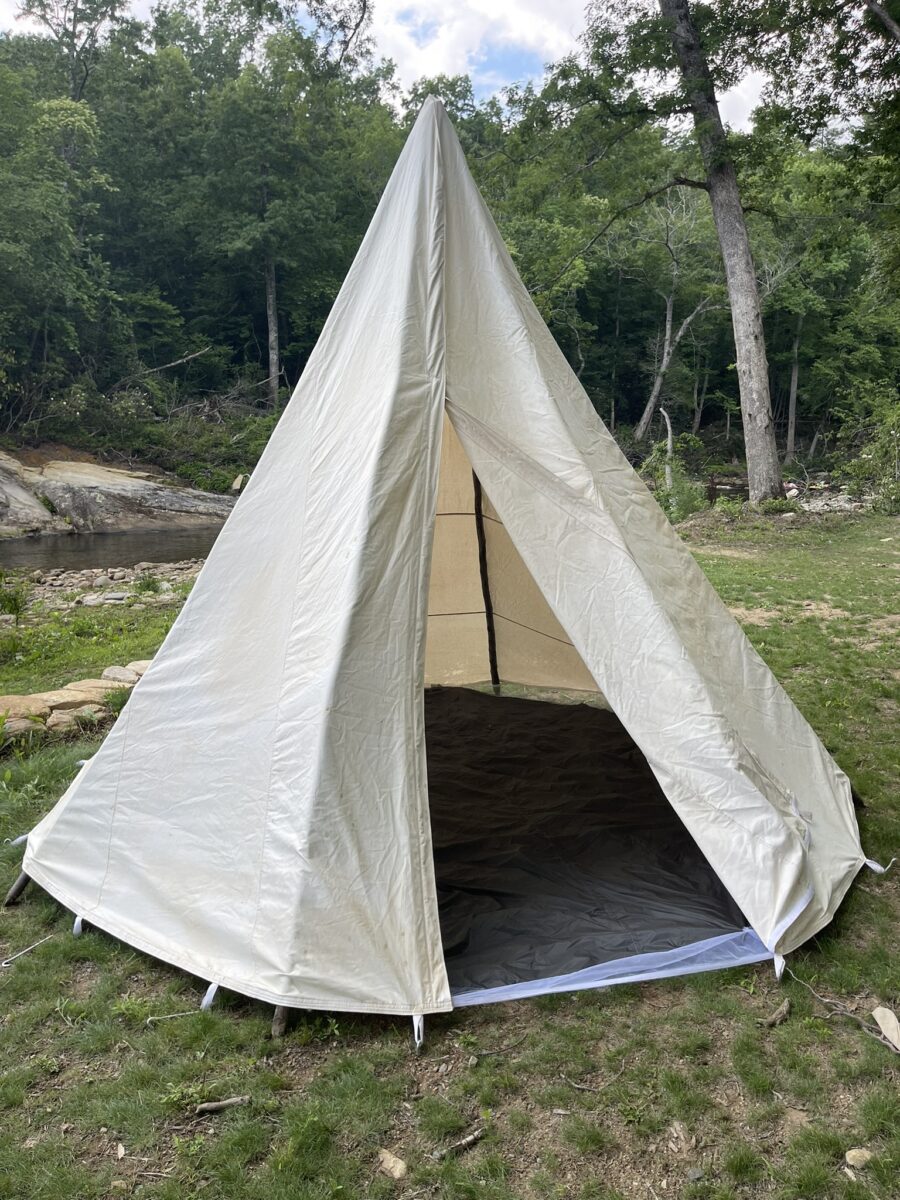
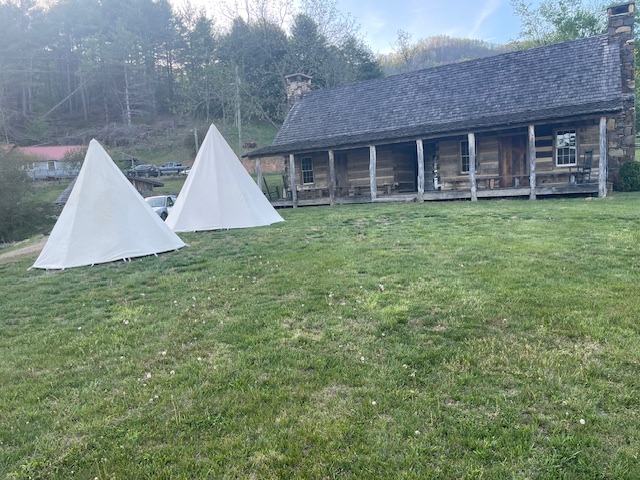
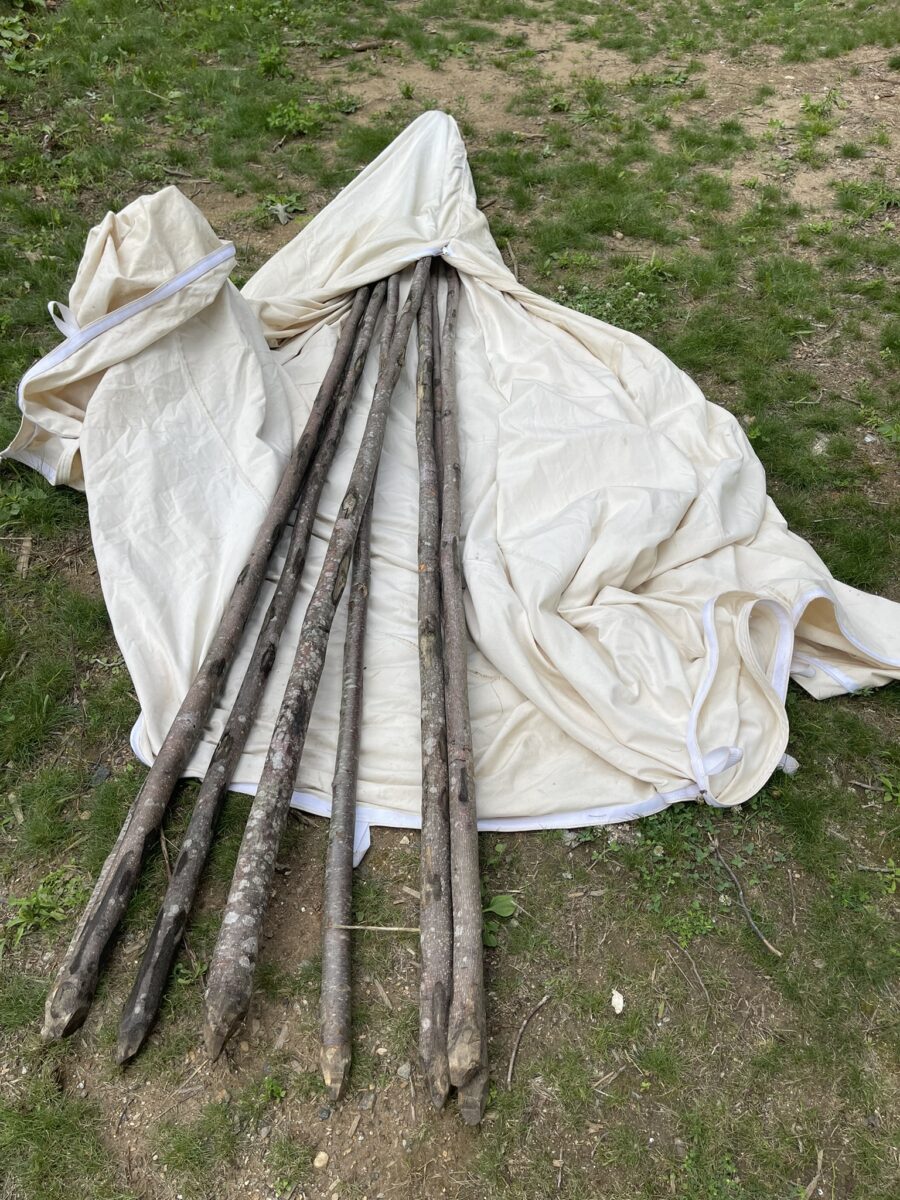
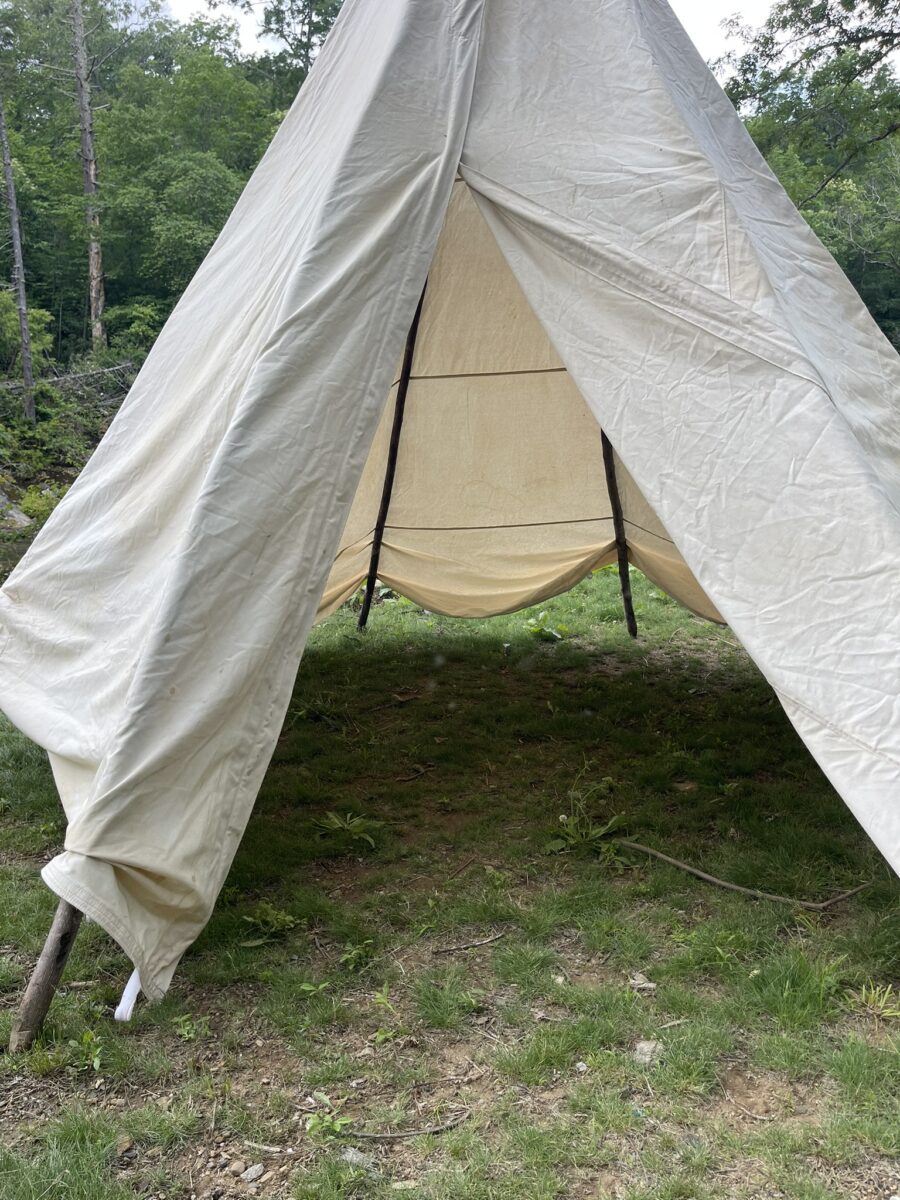
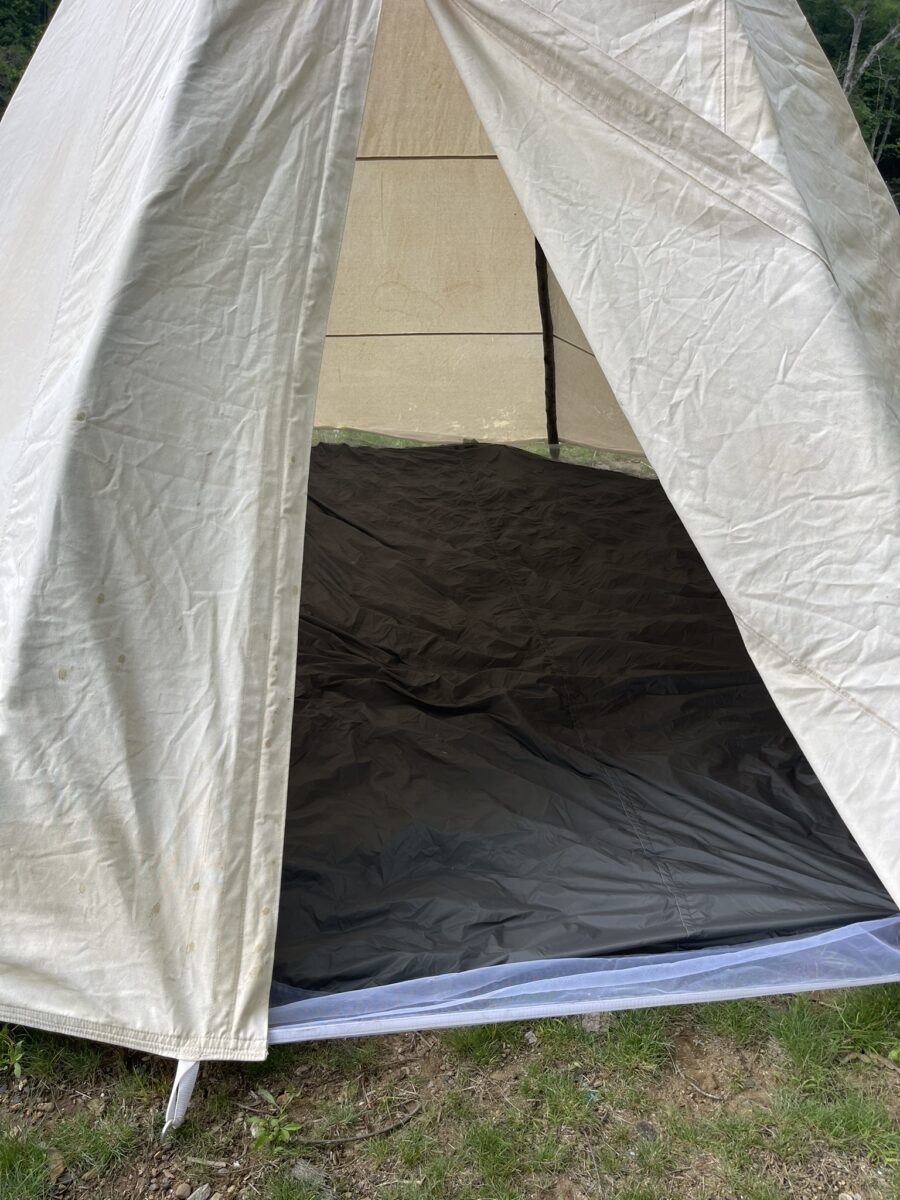
Canvas is heavier by nature, making it ideal for car camping, base camps, festivals, backyard sleeping, and longer stays where durability and comfort matter more than ounces. While a canvas tent can be packed a short distance, it’s not designed for long-distance backpacking.
Synthetic Tents
Synthetic tents are lightweight and therefore the standard choice for backpacking when weight is critical. However, many synthetic shelters trap moisture inside, which can leave you feeling damp—and colder than expected. Some campers address this by using open tarp-style shelters that allow ventilation on both ends, which improves airflow but sacrifices enclosure and warmth.
Breathability & Humidity Control
Canvas Tents
Humidity is one of the most important factors in comfort. Canvas naturally allows moisture from breath, sweat, and cooking to escape, helping regulate interior humidity and maintain a fresh, breathable environment.
Synthetic Tents
Most synthetic fabrics are vapor-impermeable, meaning moisture from your body cannot escape easily. As humidity rises, sweat evaporates more slowly, making the interior feel hotter in warm weather and colder in cool conditions. Marketing terms like “breathable” often mean only slightly more breathable than other plastics—not truly moisture-regulating.
Warmth in Cold Weather
Canvas Tents
Canvas provides natural insulation, helping retain warmth from the ground and body heat. Because moisture escapes rather than condensing inside, the air feels drier and warmer—even in cold conditions.
Synthetic Tents
Synthetic materials have little insulating value. Moisture buildup inside plastic fabrics increases heat loss, often making the tent feel colder than the outside air.
Comfort in Hot Weather
Canvas Tents
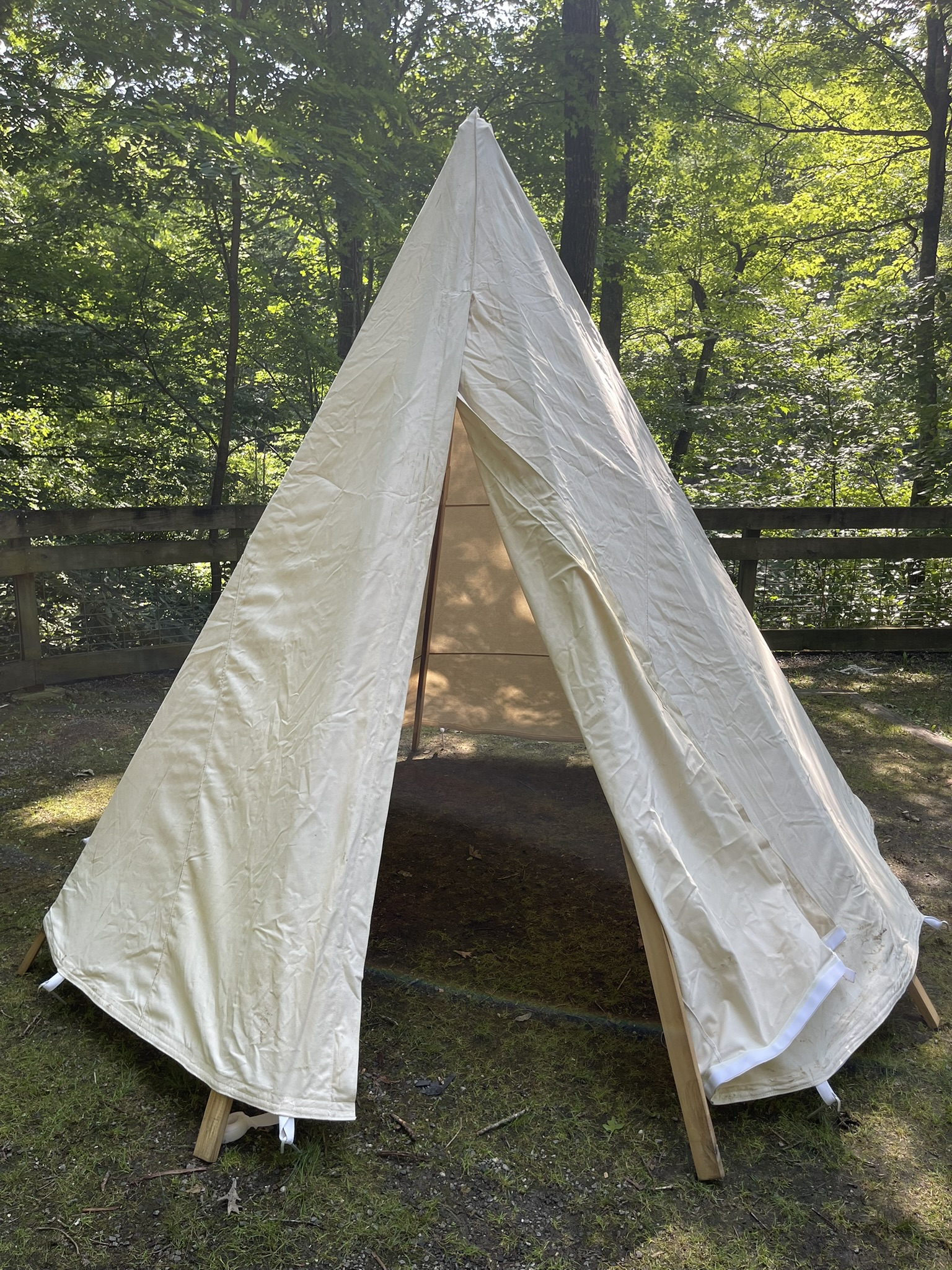
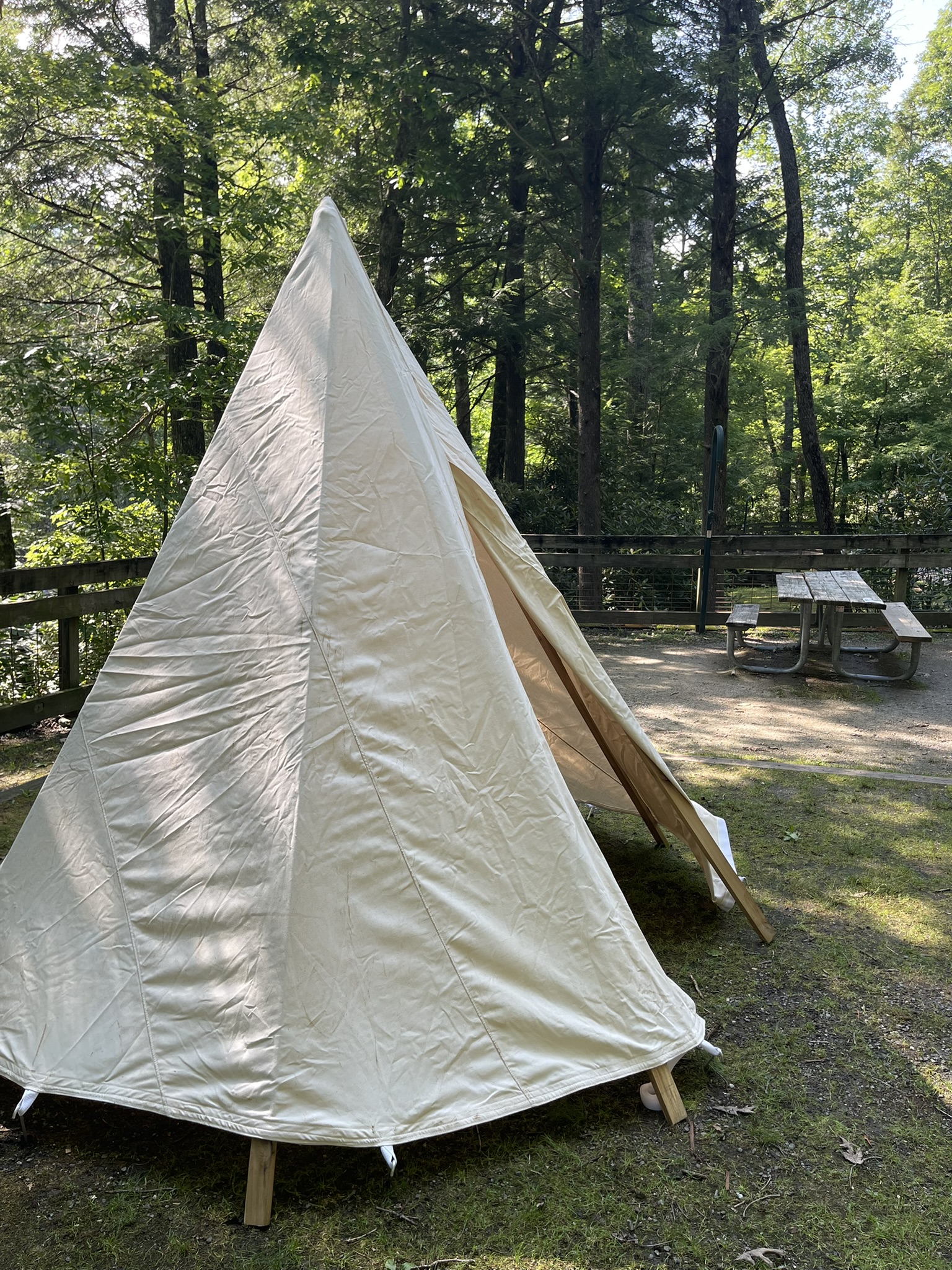
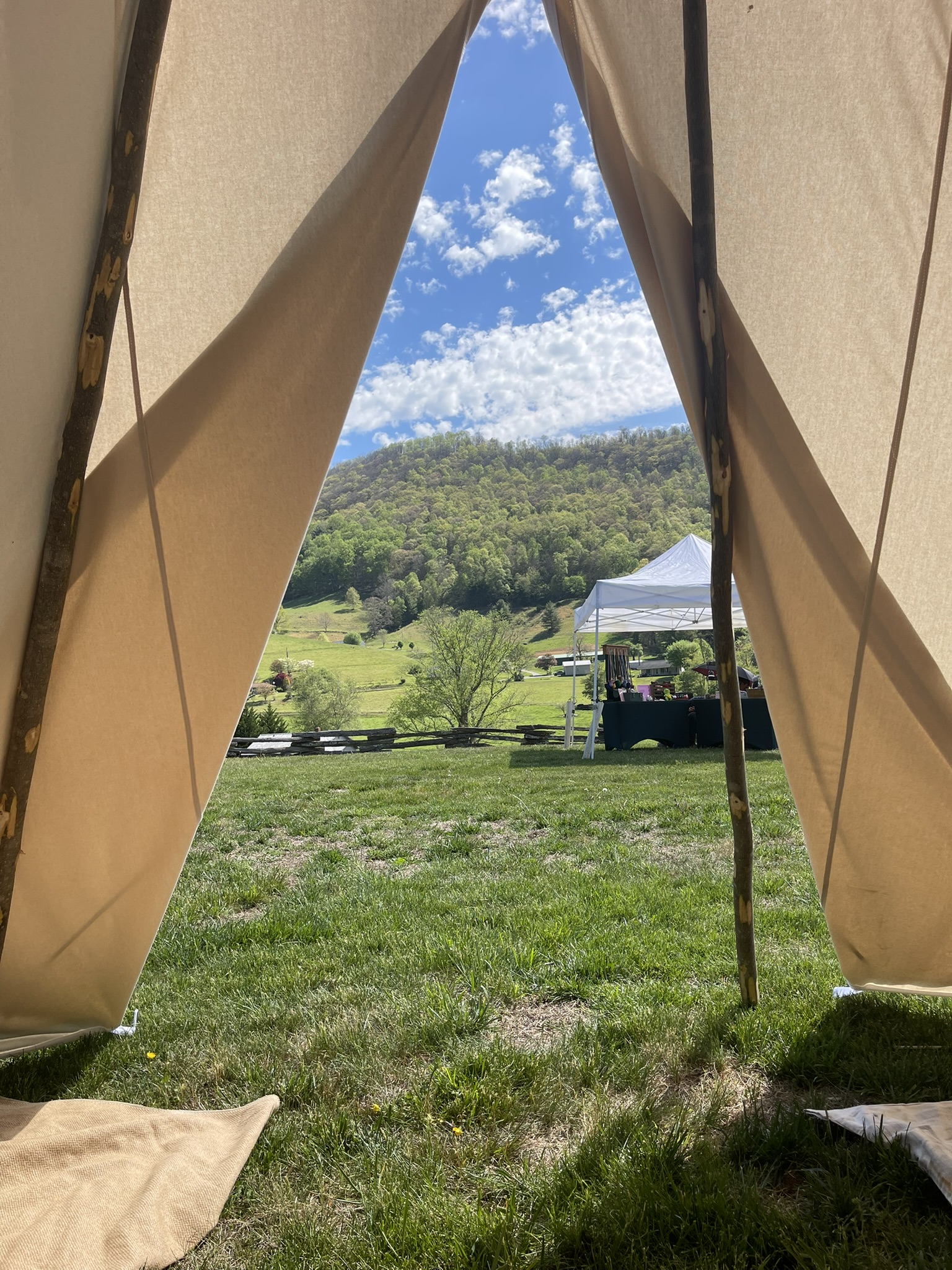
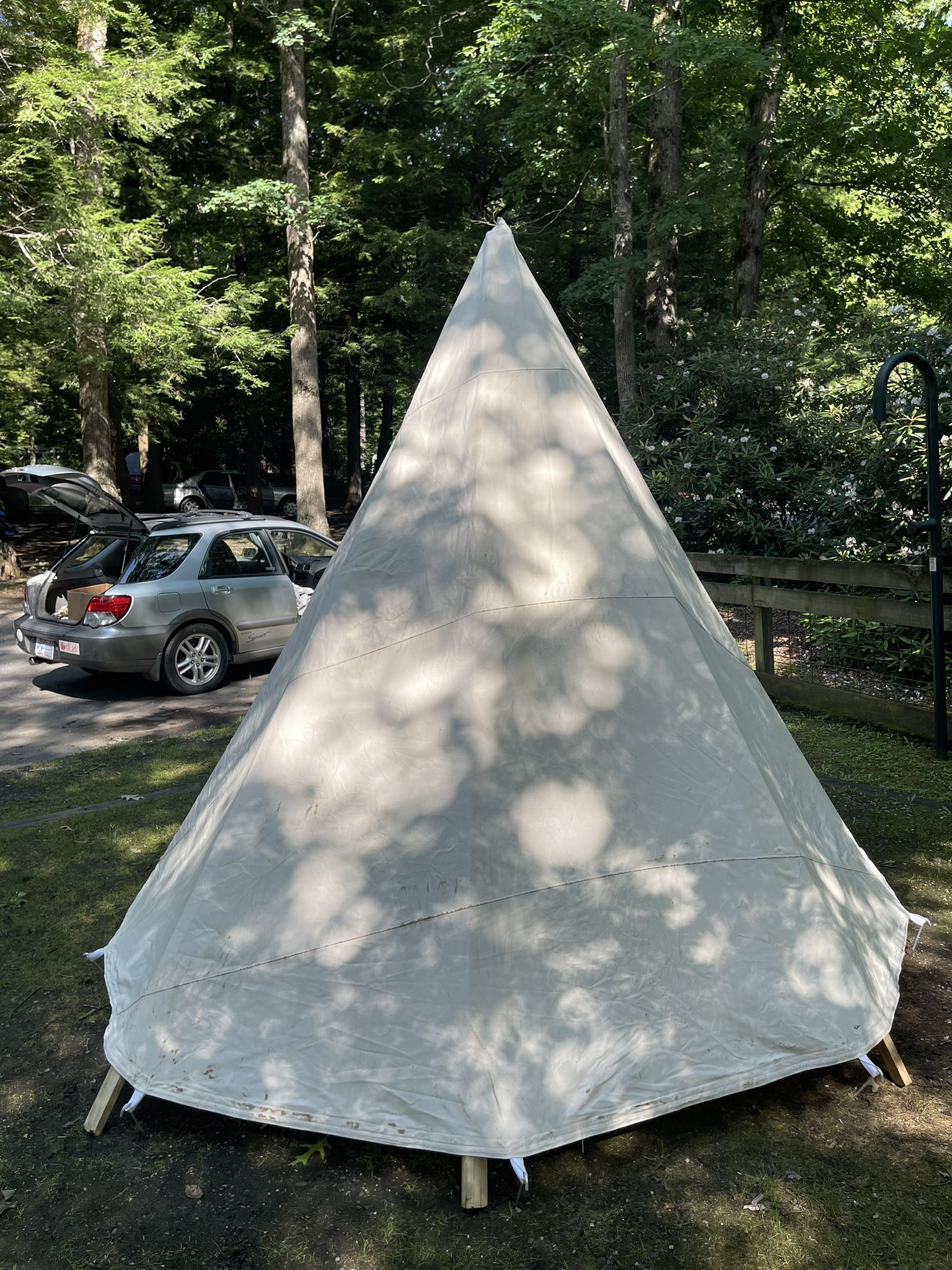
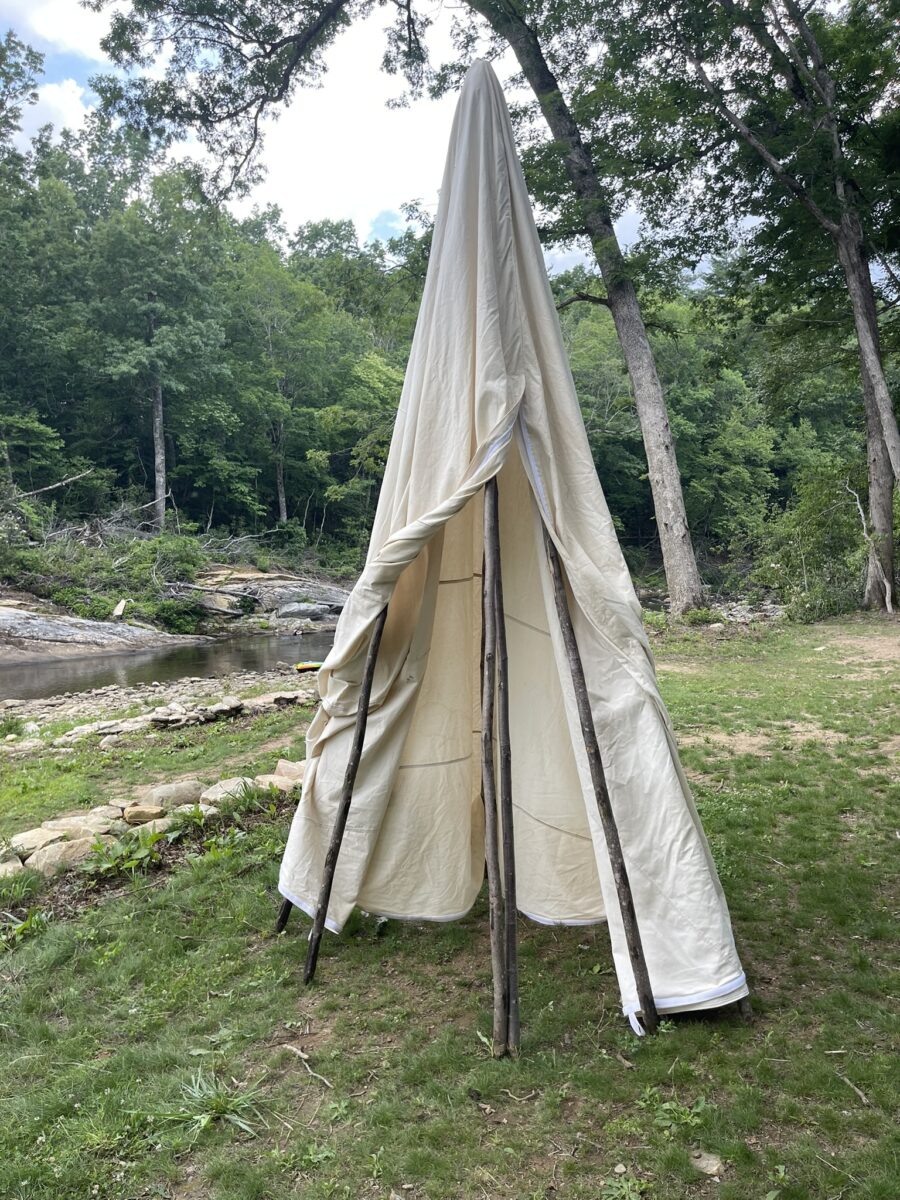
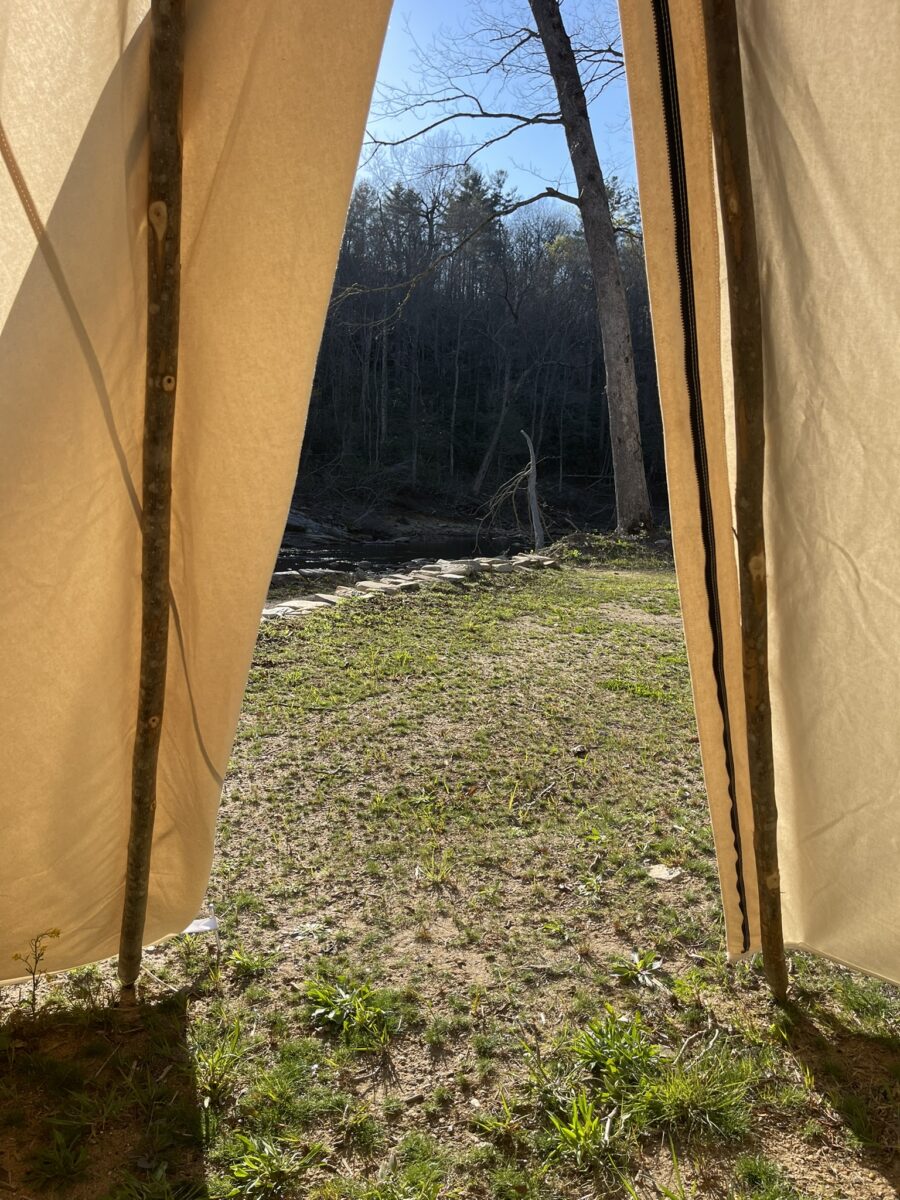
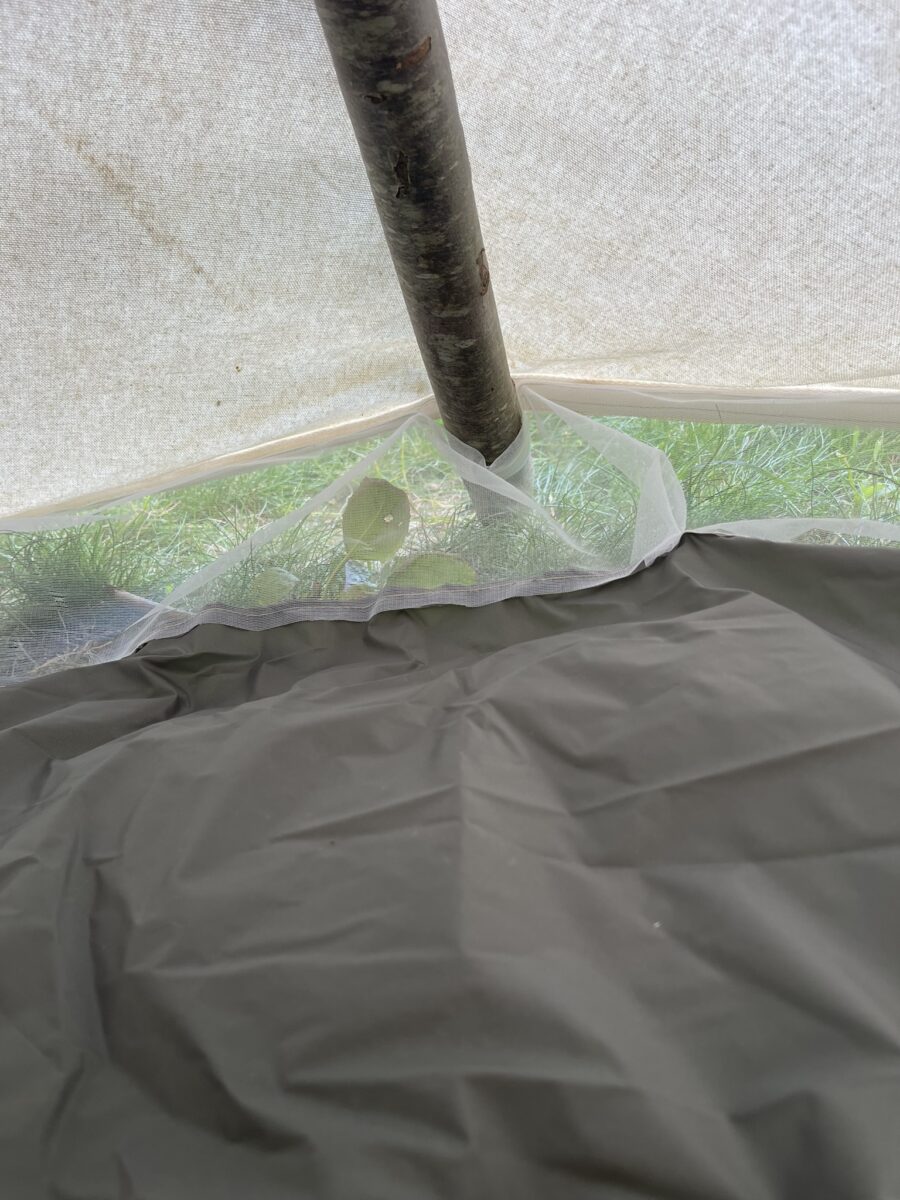
Canvas allows air to pass through the fabric itself, making it the tent of choice for summer and tropical conditions. When pitched slightly off the ground, full 360-degree airflow is possible. Doors and panels can be opened widely during dry weather, creating a shaded, breezy shelter.
Synthetic Tents
Synthetic tents rely almost entirely on mesh panels for ventilation. In hot conditions, this limited airflow can make them feel stifling and overheated.
Durability & Longevity
Canvas Tents
Canvas is tough, tear-resistant, and repairable. With proper care, a canvas tent can last many years. Natural coatings such as beeswax protect against sun damage and can be easily refreshed, extending the life of the fabric.
Synthetic Tents
Synthetic fabrics degrade quickly when exposed to UV radiation. Once weakened, plastic fibers tear easily and are difficult to repair. Aftermarket treatments offer limited protection, resulting in a relatively short lifespan.
Wind Resistance & Structural Strength
Canvas Tents
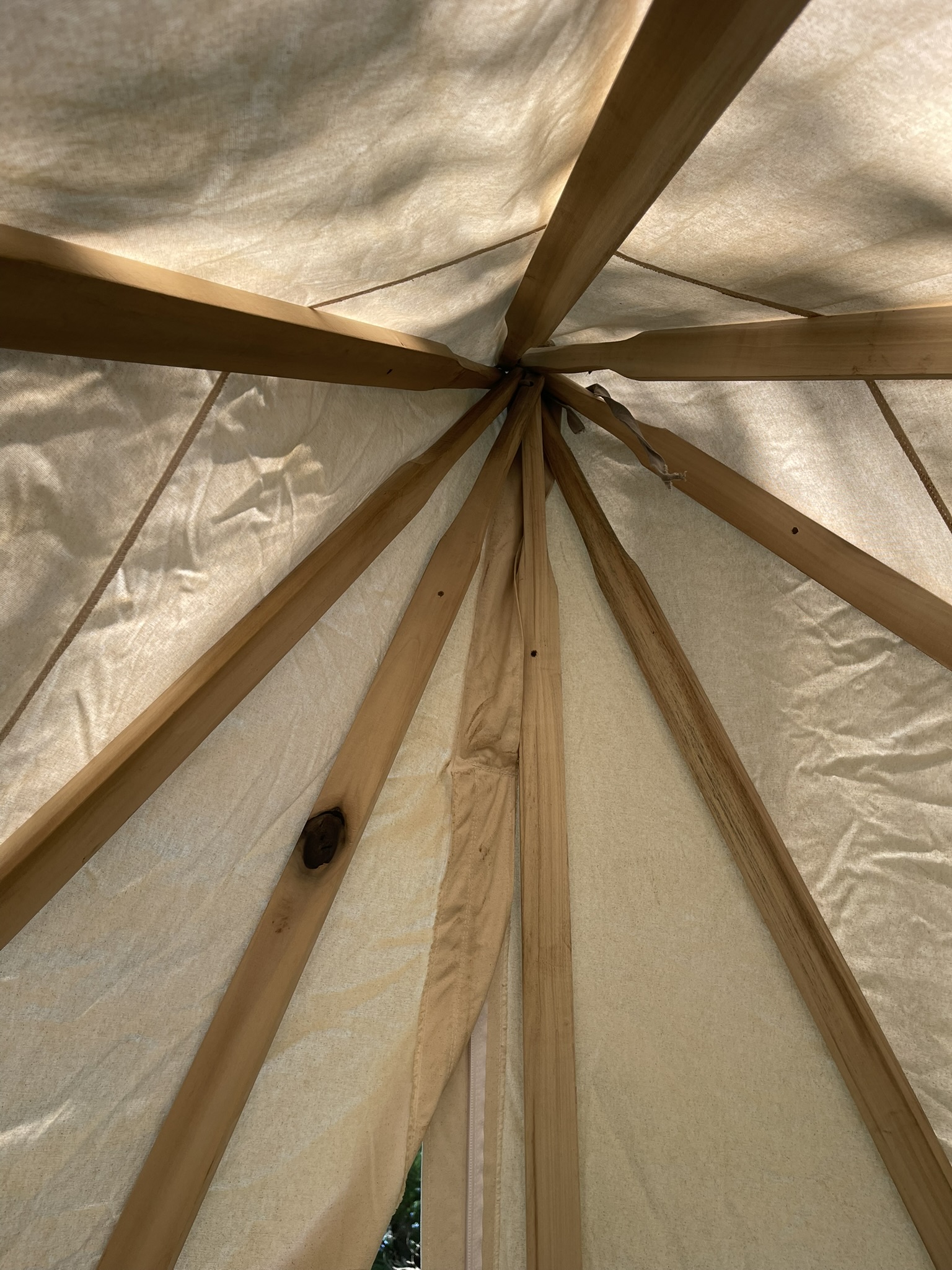
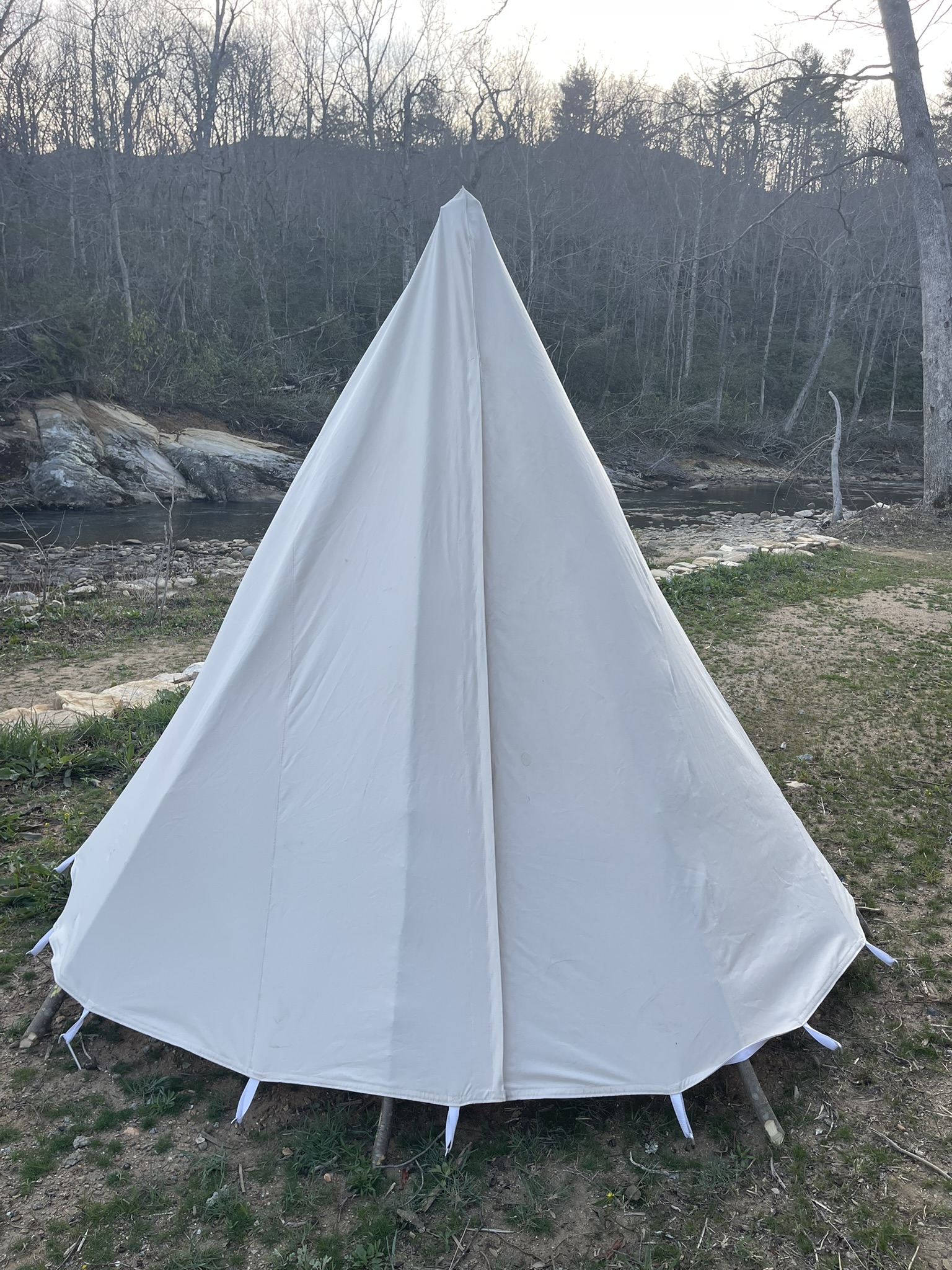
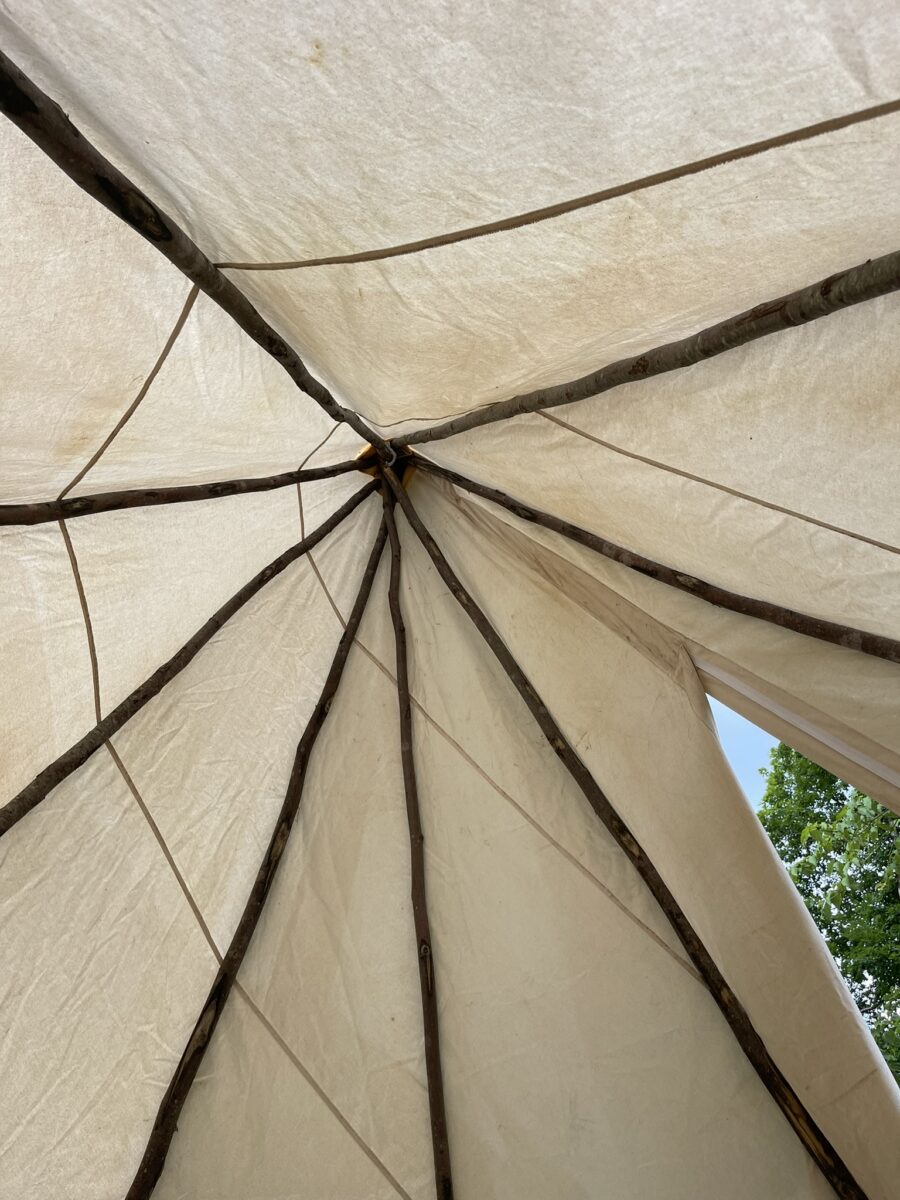
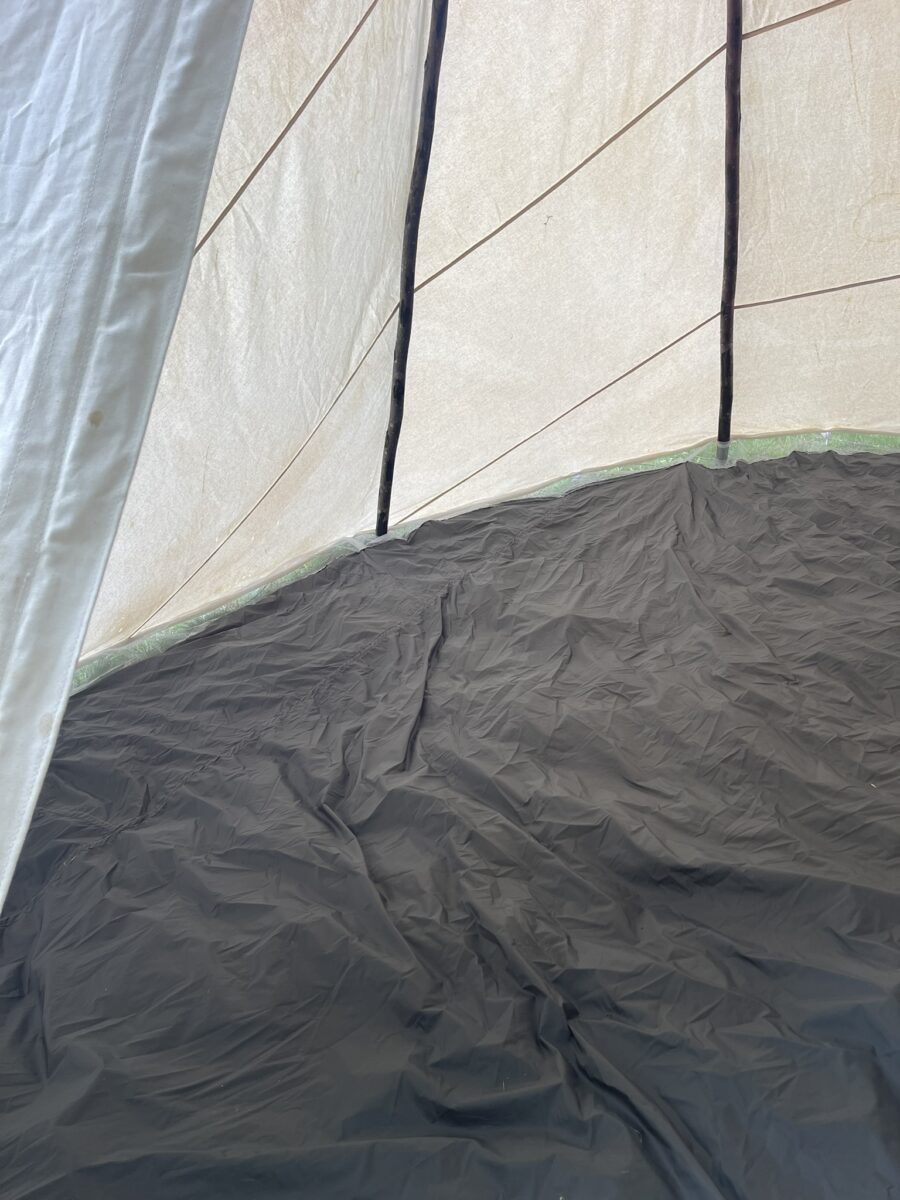
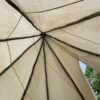
The combination of a conical shape, heavy canvas, and robust staking creates excellent wind resistance. This design naturally sheds wind, rain, and snow, remaining stable in conditions that challenge most modern tents.
Synthetic Tents
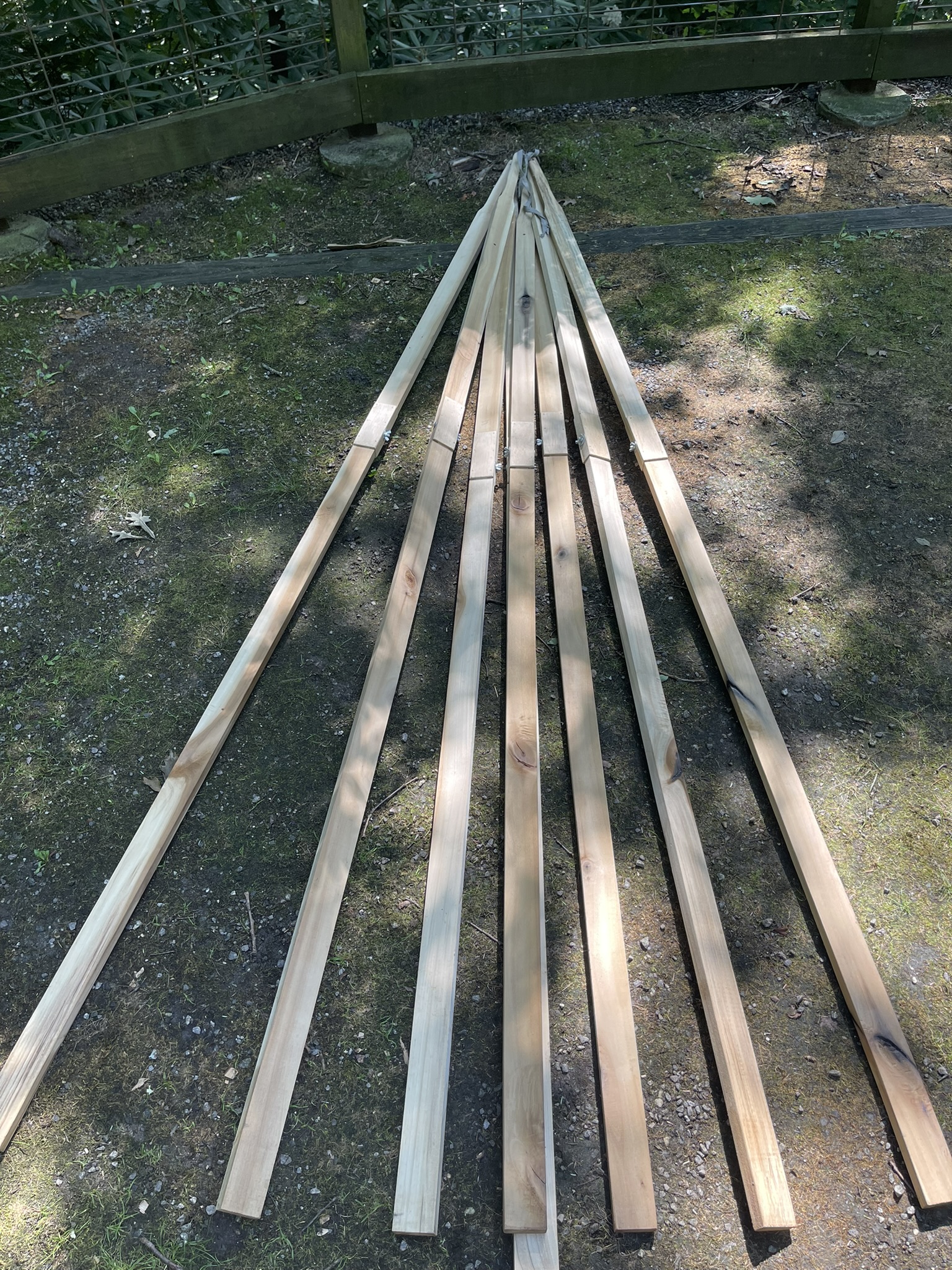
Lightweight poles, thin fabrics, and small stakes often struggle in high winds or storms, precisely when reliability matters most.
Toxicity & Indoor Air Quality
Canvas Tents
Organic canvas treated with natural beeswax contains no volatile organic compounds (VOCs), flame retardants, plasticizers, or other harmful chemicals—making it an excellent choice for those seeking a clean, low-tox shelter.
Synthetic Tents
Synthetic tents can off-gas endocrine-disrupting chemicals, including VOCs and flame retardants. They also melt easily when exposed to heat, posing an additional safety risk.
Rain Shedding & Weather Protection
Canvas Tents
When wet, canvas fibers swell, tightening the weave and naturally preventing water penetration. Combined with a beeswax coating, rain is shed effectively without compromising breathability. Moisture escapes outward while rain stays out, keeping the interior dry and comfortable.
Synthetic Tents
Synthetic fabrics excel at shedding rain but lack breathability. Trapped moisture increases interior humidity, often making the space feel damp despite staying technically “dry.”
Bottom line:
Canvas tents prioritize comfort, durability, breathability, and health—while synthetic tents prioritize light weight. The best choice depends on how you camp and what you value most once you arrive.
Reviews
There are no reviews yet.