
Our natural fiber sleeping bags are 100% safe and non-toxic without any chemicals or flame retardants including PBDE’s, PFOS, PFAS, or DRW coatings. We use ethically sourced fabric combinations which create the lightest and strongest sleeping bag and construct our products in Burnsville, North Carolina. Proudly made in America! Our products are crafted especially with the chemically sensitive community in mind.
Natural fiber materials for outdoor gear
The right material for the right purpose.
Every material used in Lucky Sheep® gear is selected for a specific reason. Rather than relying on a single “miracle fabric,” we choose each component according to where it performs best. Whenever practical, we favor renewable natural fibers that have proven themselves through generations of outdoor use. When a synthetic material offers a clear functional advantage for a specialized purpose, we use it thoughtfully and only where it makes sense.
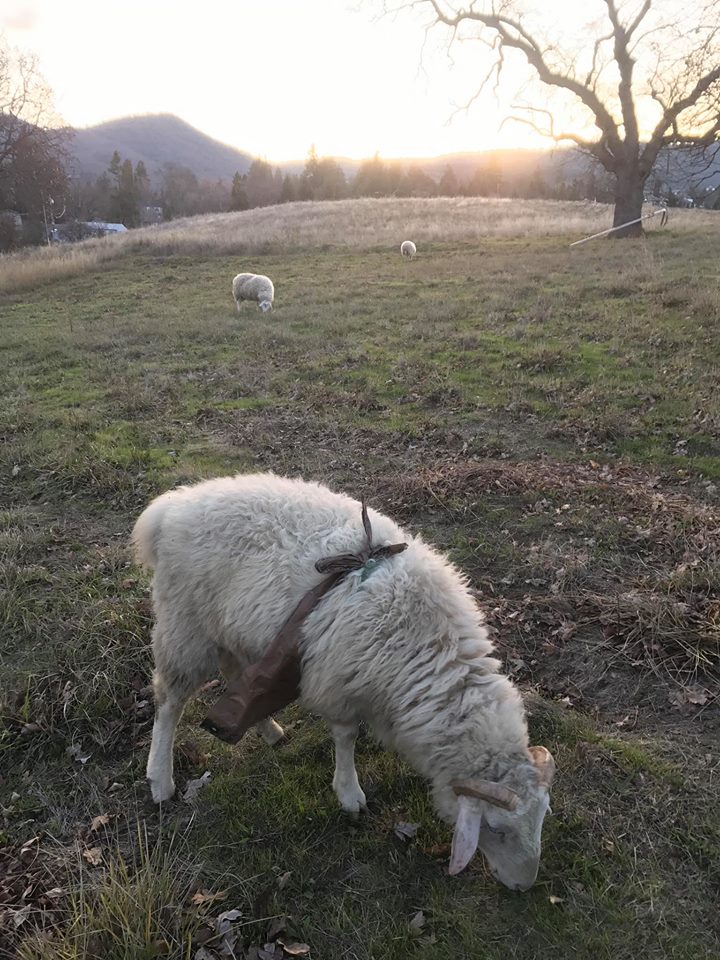
Merino Wool
Used in:
- Sleeping bag liners
- Sleep sacks
- Buffs
- Sheets
Source
Our merino wool is sourced from carefully selected suppliers that produce fine, soft wool suitable for next-to-skin comfort. The fabric is knit into a lightweight jersey that stretches naturally and packs compactly.
Why we use it
Merino wool is exceptionally comfortable against the skin while naturally regulating body temperature. It breathes well, manages moisture, and remains comfortable across a wide range of temperatures. It also resists odor naturally, making it well suited for extended trips.
WeatherWool®
Used in:
- Premium sleeping bag liners
Source
WeatherWool® is woven from American-grown and American-milled wool using a worsted weave that creates an exceptionally durable yet breathable fabric. It is left undyed and receives no chemical finishing treatments.
Why we use it
WeatherWool offers outstanding moisture management, durability, and breathability. It provides a more structured feel than knitted merino while remaining exceptionally comfortable. For customers seeking the highest level of natural performance, it represents one of the finest wool fabrics currently available.
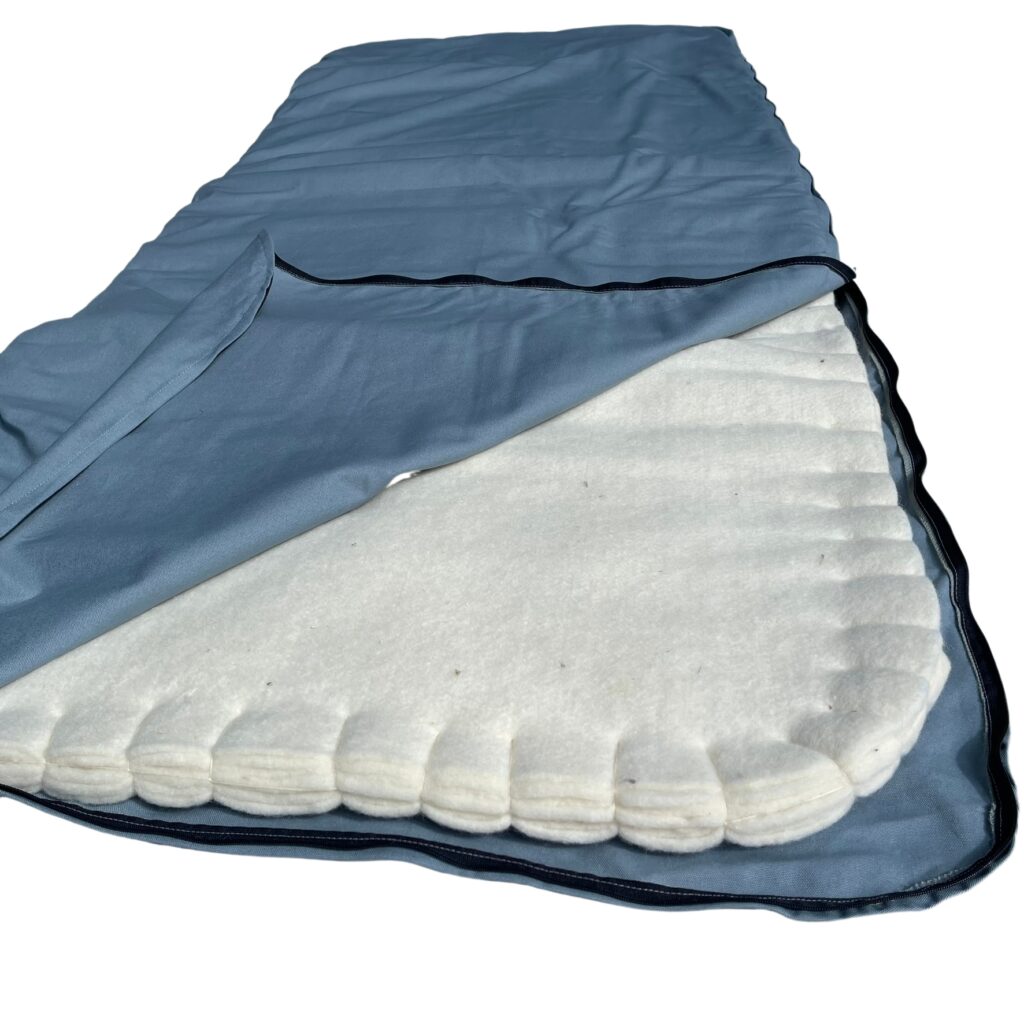
Eco-Wool®
Used in:
- Adventure Vest
- Wool Camp Blanket
- Sleeping bag insulation
Source
Our Eco-Wool® is crafted from 100% American-grown and American-milled wool, produced without chemical treatments from sheep raised under rigorous ecological standards.
Why we use it
Unlike woven fabrics, wool felt traps millions of tiny air pockets, creating excellent insulation while remaining highly breathable. It continues to insulate even when damp and is remarkably durable for decades of use.
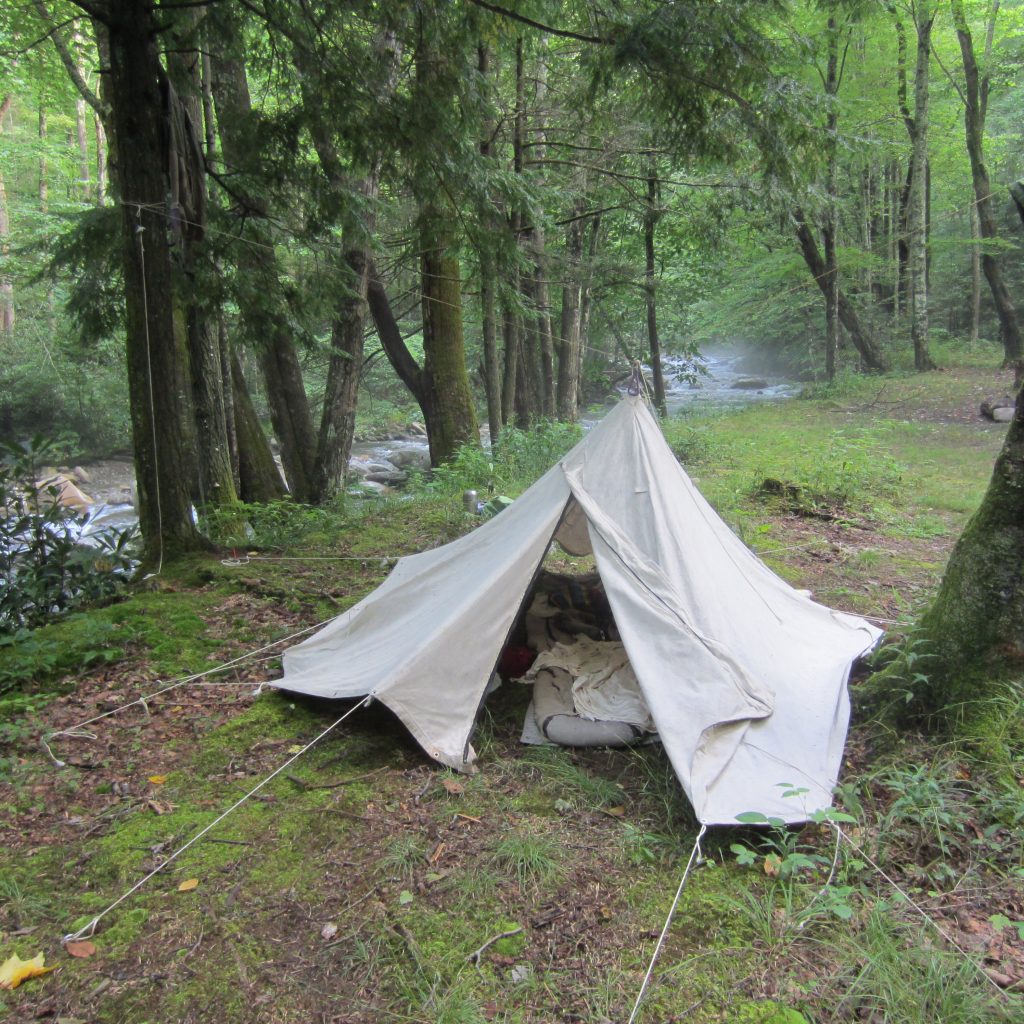
Organic Cotton Canvas
Used in:
- Tipi tents
- Backpacks
- Daypacks
- Waxed shell garments
We use tightly woven organic cotton canvas selected for durability, breathability, and repairability.
Why we use it
Cotton canvas is naturally breathable, quiet in the woods, and exceptionally durable. Unlike waterproof membranes that seal moisture inside, canvas allows continual air exchange. When treated with our natural wax finish, it gains excellent weather resistance while retaining much of its breathability.
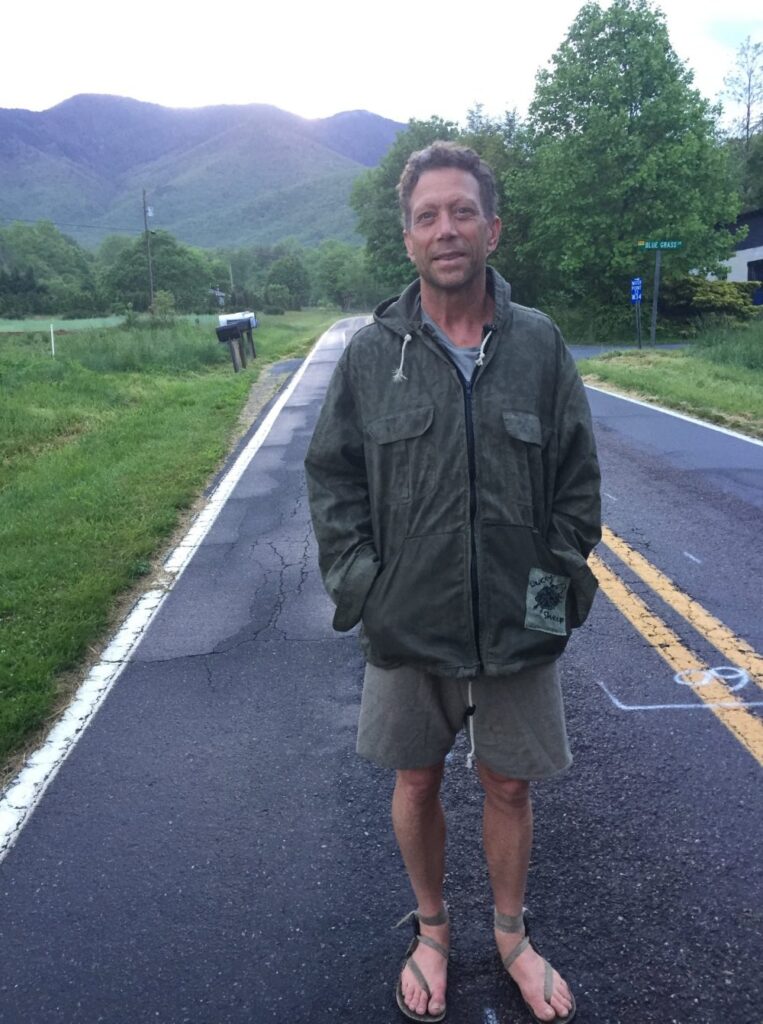
Beeswax Finish
Used in:
- Rain shell
- Backpacks
- Tipi tents
Source
Our wax finish is based primarily on natural beeswax, with additional natural ingredients chosen to improve durability and weather resistance.
Why we use it
Beeswax creates a renewable weather-resistant finish that can be maintained for many years. Instead of discarding worn gear, owners can easily restore the finish using one of our rewax bars, extending the life of the equipment.
Wool Felt
Used in:
- Adventure Vest
- Wool Camp Blanket
Source
Our felt is manufactured from densely compressed natural wool fibers without synthetic fillers.
Why we use it
Unlike foam or synthetic insulation, wool felt breathes continuously while providing dependable insulation across changing weather conditions. It is rugged, naturally flame resistant, and becomes a lifelong piece of equipment with proper care.
Silnylon
Used in:
- Optional tipi groundsheet
- Stuff sacks
Source
Silicone-coated ripstop nylon.
Why we use it
While our goal is to use natural materials wherever practical, silnylon currently offers one of the best combinations of waterproofness, light weight, durability, and packability for ground protection. Because silicone is chemically inert and no additional treatments are applied, we feel it is an appropriate choice for this specialized application. Customers who prefer a more natural sleeping surface may add our optional waxed canvas ground cloth over the waterproof barrier.
Mosquito Netting
Used in:
- Optional tipi groundsheet system
Source
Synthetic mesh.
Why we use it
At present, synthetic mesh provides the most effective combination of airflow, visibility, durability, and insect protection. By limiting its use to the perimeter of the shelter, we preserve the natural-fiber environment of the tent while providing reliable bug protection.
Wooden Tent Poles
Used in:
- Complete tipi packages
Source
Natural wood, cut and finished in our shop.
Why we use them
Wood is renewable, field repairable, quiet in use, and complements the character of a traditional canvas shelter. Segmenting the poles makes them easier to transport while preserving the strength of a one-piece center pole when assembled.
Materials at a Glance
| Material | Used In | Why We Chose It |
|---|---|---|
| Merino Wool | Liners, Sleep Sacks | Soft, breathable, temperature regulating |
| WeatherWool® | Premium Liners | Maximum durability and moisture management |
| Eco-Wool® Felt | Vest, Blanket | Warm, breathable, insulates when damp |
| Organic Cotton Canvas | Jackets, Packs, Tents | Durable, breathable, repairable |
| Beeswax | Waterproof finish | Renewable weather resistance |
| Silnylon | Groundsheet, Stuff Sack | Lightweight waterproof barrier |
| Mosquito Netting | Tipi Groundsheet | Reliable insect protection |
| Wood | Tent Poles | Renewable, repairable, traditional |
Liner Fabric (Two choices)
Choice #1) 100% Merino Wool jersey sourced from Australia.
Choice #2) Undyed worsted merino wool, domestically grown and milled in the USA. Undyed. This fabric from Weatherwool takes natural performance to the next level. While the overall design, insulation, and weight remain the same as the Rewilder modal with merino liner, the Weatherwool (worsted wool) liner material now delivers:
- Superior moisture-wicking to keep you drier through temperature swings and overnight humidity
- Enhanced breathability so heat and moisture move away from your body faster
- Greater durability thanks to Weatherwool’s tightly woven, rugged wool fibers
- Natural warmth even when damp, preserving insulation in real-world conditions
- Sustainable, fully domestically produced and milled materials, domestically raised sheep using sustainable management and milled in the USA.
- Same weight as the standard Rewilder.
- Available in undyed white only.
This upgrade brings you a sleeping bag that performs better in changing climates, lasts longer in the field, and keeps your sleep environment naturally balanced — without adding weight or complexity.
Shell Fabric:
- 100% Cotton 5 oz. French Twill Color: Slate Blue (Sourced from the U.S.)
- Beeswax Coating which adds water repellents and warmth. Also includes: pine resin, gemstone powders of Amethyst, and EM Ceramic Powder.
Outdoor gear should protect you without harming your health or the planet. PFOS (perfluorooctanesulfonic acid), a type of PFAS (per- and polyfluoroalkyl substances) commonly known as “forever chemicals.” While PFOS has long been a go-to for waterproofing, its risks outweigh the benefits.
Our line of sleeping bags, backpacks and rain parkas uses not only natural fibers, but natural Durable Rain Wear finishes as well. Our innovative solution uses an ancient technology of applying fats, waxes and oils to the fabric. This process called ‘oil cloth’ has been used for thousands of years by many civilizations. We combine this ancient technique with modern designs to create technical outdoor gear competitive in weight and performance to the synthetic counterparts.
Disclaimer: Our products are hand-waxed, small-batch, and artisanal. Minor cosmetic blemishes often occur on the waxed fabric in the form of streaks, splotches, discolorations. All are a possible effect of the waxing process. Because we use only natural elements (pine pitch, beeswax, gemstone powders), consistency of color and texture will vary with each product. Quality control is based on the resistance of our prepared fabrics to water penetration. We stand behind the quality of our products and the visual inconsistencies of the finishing process should be seen as part of the natural beauty of the materials used.
Why not hemp — and other fibers we’re asked about
We’re often asked for a hemp sleeping bag. Hemp is a fiber we respect — durable, breathable and low-impact — but wool’s natural crimp traps warm air and keeps insulating when damp in a way no plant fiber can, and organic cotton canvas gives us a tighter, more weatherable weave than any hemp cloth we’ve been able to source. So every Lucky Sheep bag pairs US wool insulation with an organic cotton shell: a non synthetic sleeping bag in the truest sense — no polyester, no nylon, no foam, no membranes.
Weighing wool vs synthetic insulation? Synthetics are lighter and cheaper up front; wool keeps insulating when wet, resists odor for weeks, sheds no microplastics and lasts decades. If you want a non polyester sleeping bag that performs in real weather, the materials on this page are the recipe.